
Ukraine Turns Battlefield Robotics Into a Cross-Border Production Network (video)
The Kyiv robot display underscored a wider shift from improvised battlefield systems to contracted fleets and joint manufacturing with European partners.
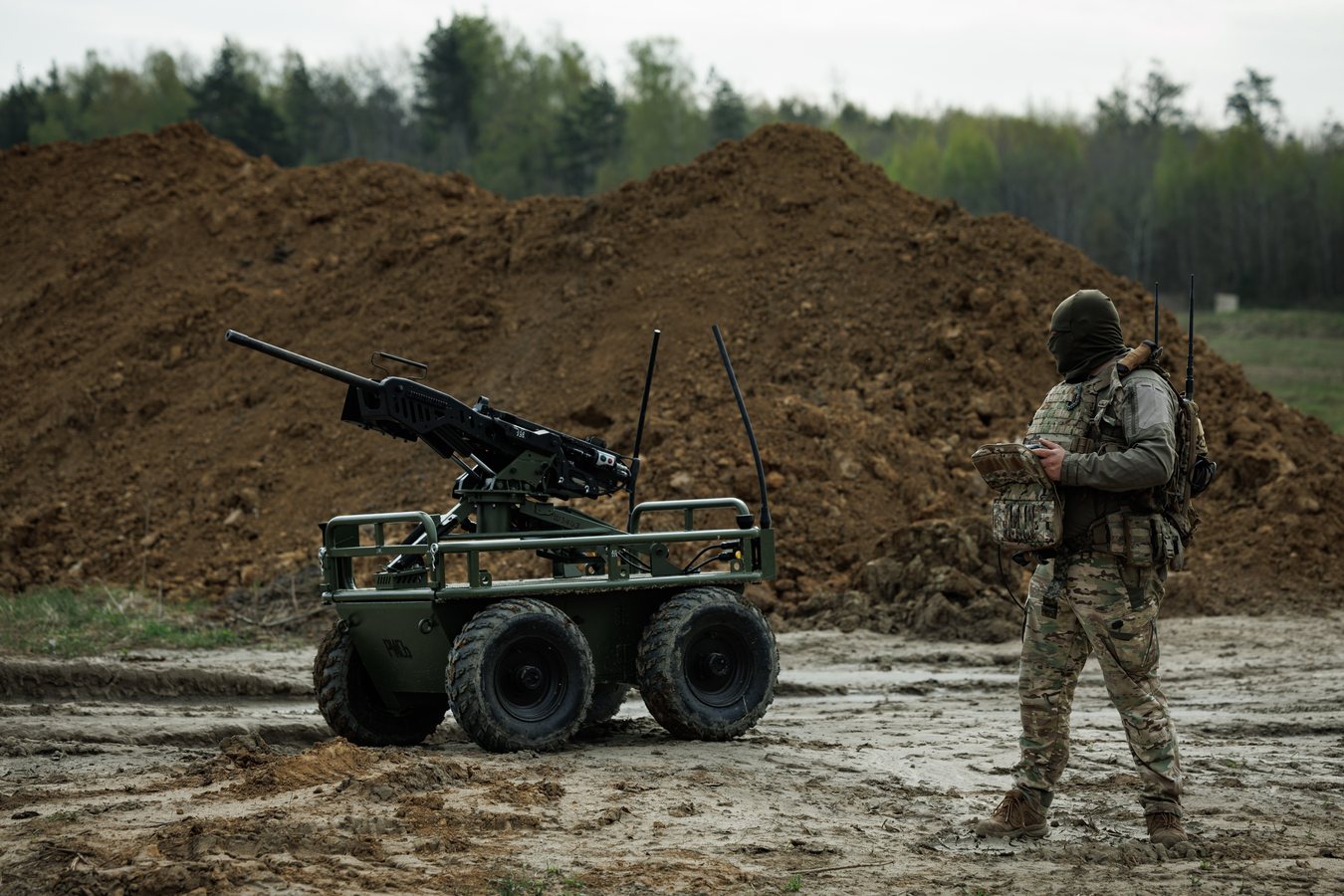
Ukraine’s Independence Day robot column was more than a display of unusual hardware. As Arhiv reported, dozens of wheeled and tracked unmanned ground systems moved through central Kyiv, among them Rys PRO and TerMIT.
The strategic significance lies in the network behind the machines. Ukraine has contracted more than 22,000 ground robotic systems in 2026, while frontline units have used them for more than 100,000 logistics and evacuation missions since January.
This creates a feedback loop between the battlefield, procurement system and manufacturers. Units define needs, platforms are tested in operational conditions, and producers revise designs at a speed that conventional long-cycle defense programs often struggle to match.
Brave1 Market has become part of that network. Military personnel have ordered nearly 1.9 billion hryvnias worth of ground robotic systems through the program, helping shift purchasing toward direct operational demand.
The Rys Pro partnership adds a cross-border layer. Roboneers and Germany’s ARX Robotics established ARX Industries to manufacture the platform in Ukraine and Germany. The structure joins Ukraine’s combat-driven innovation environment with European industrial capacity and supply chains.
The wider Kyiv demonstration also included maritime drones, aerial unmanned systems and piloted fighters. Describing the entire event as an exclusively robotic combat parade would therefore be inaccurate.
What it did reveal is a strategic route from field improvisation to industrial scale. The same pattern is likely to shape other categories of defense technology: rapid Ukrainian iteration, European capital and manufacturing, and procurement systems that can absorb new products quickly.
The durability of that model will depend on contracts, component supply, standardization and integration into military doctrine. But the robot column offered a rare public view of a network that is already moving technology from workshops to thousands of missions.
57