
The Moscow Teen Case Shows Where an AI Alert Becomes a State Decision
The family alleges a facial-recognition match triggered a wrongful detention. The unanswered issue is how Russia’s policing system validates automated leads before force is used.
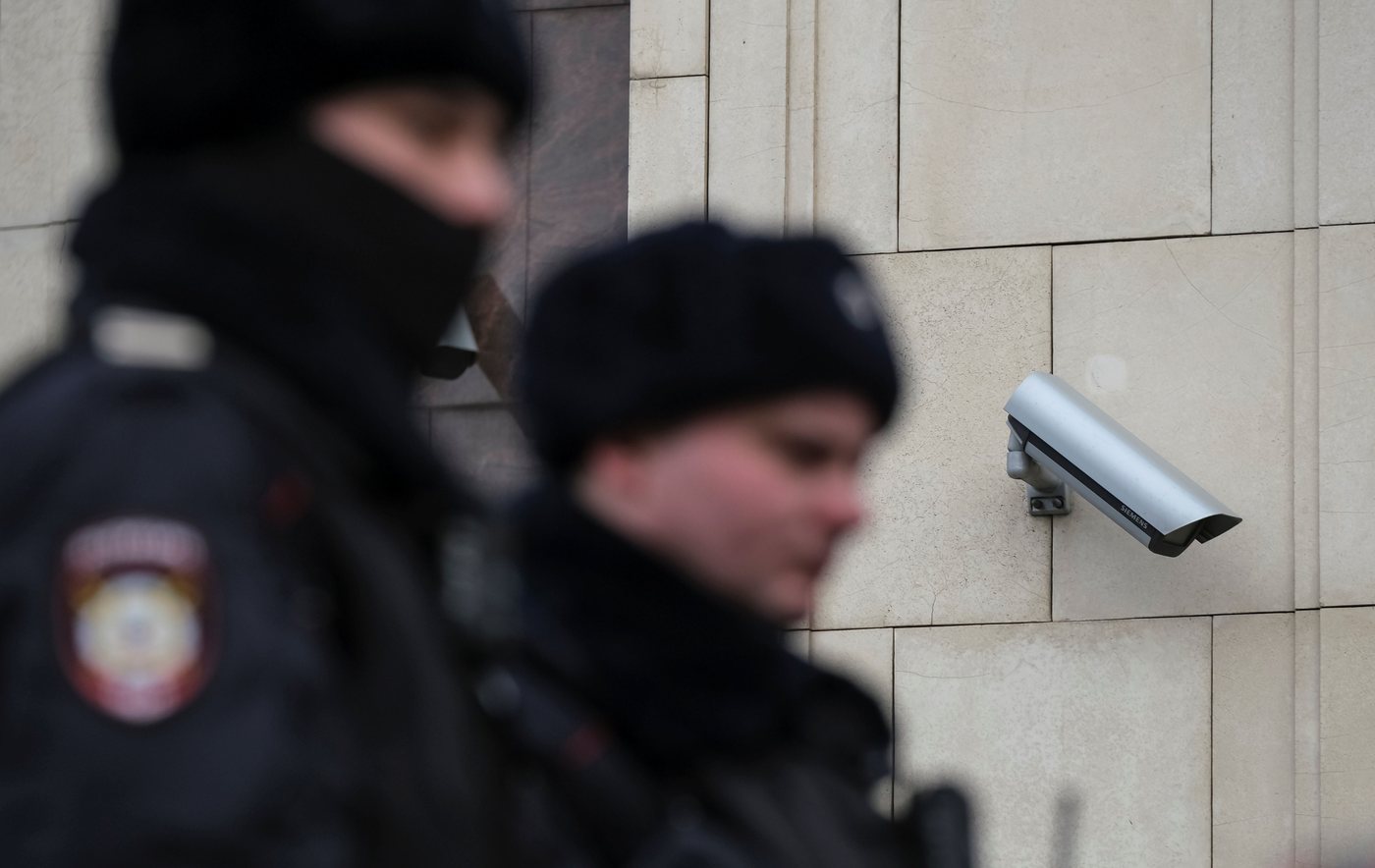
An algorithm does not handcuff anyone. That distinction sits at the centre of a disputed Moscow case in which a family says a 15-year-old schoolboy was mistaken for a drug suspect after an artificial-intelligence system allegedly reported an 85–90% facial match.
The detention itself is not new. Novaya Gazeta Europe reported that the boy was stopped on 4 May on Garibaldi Street while walking to school. Citing his mother and Ostorozhno Media, it said plainclothes officers knocked him down, bound his hands and took him to a police unit. The mother said officers later realised he had been confused with another person.
The alleged AI link appeared in a later account from the father. He told Ostorozhno Media that the teenager was questioned on suspicion of drug distribution. According to the family, police eventually contacted the boy’s mother and explained that an AI-based system had produced an 85–90% match with a wanted person. That specific claim has not been independently confirmed, and no system has been named.
Russia’s capital does have infrastructure capable of this kind of search. Moscow’s official transport portal describes Sfera, the Metro’s facial-recognition system, as comparing biometric templates with wanted-person databases and notifying police within seconds when it finds a match. There is no evidence that Sfera was responsible for the street encounter in this case.
The strategic issue is the handoff from machine to institution. NIST’s current one-to-many facial-recognition testing shows that false positive identifications remain a measurable property of such systems. A search result depends on the algorithm, the operating threshold, the source image and the database. A similarity score is therefore evidence for further checking, not a universal percentage of certainty.
The chain of command after a match can matter more than the match itself. Officers can compare age, documents and physical characteristics; supervisors can require confirmation; systems can log who reviewed which candidate. Those safeguards determine whether an automated lead remains a lead or becomes an operational identification.
The Moscow family says that distinction failed. Novaya Gazeta Europe reported that doctors diagnosed the boy with a concussion after his release. Ostorozhno Media later cited medical records describing further injuries. The father says the teenager repeatedly stated that he was a minor and asked to contact his parents.
Police offer a conflicting account of the force used. A written response quoted by the family says the boy actively resisted, injured officers and attempted to flee, making physical force and combat restraint techniques necessary. The family disputes those claims.
The parents filed complaints with police and the Investigative Committee. Ostorozhno Media says the review has not yielded a final answer for them. Separately, Moscow police chief Oleg Baranov told city lawmakers in March that the force was roughly 30% understaffed overall and up to 50% short in some units. Such pressure can create incentives to rely more heavily on technology, but it also increases the importance of clear verification rules.
If the AI allegation is confirmed, the case will be less about whether facial recognition can make a mistake — it can — than about whether the state built a process that assumed mistakes were possible. The decisive evidence will be the operational record between the first digital alert and the moment officers decided to restrain a 15-year-old on his way to school.
60