
Notting Hill residents board up homes ahead of carnival
Dozens of residents and businesses in Notting Hill have boarded up their properties ahead of the bank holiday carnival, which is expected to draw millions of revellers to west London.
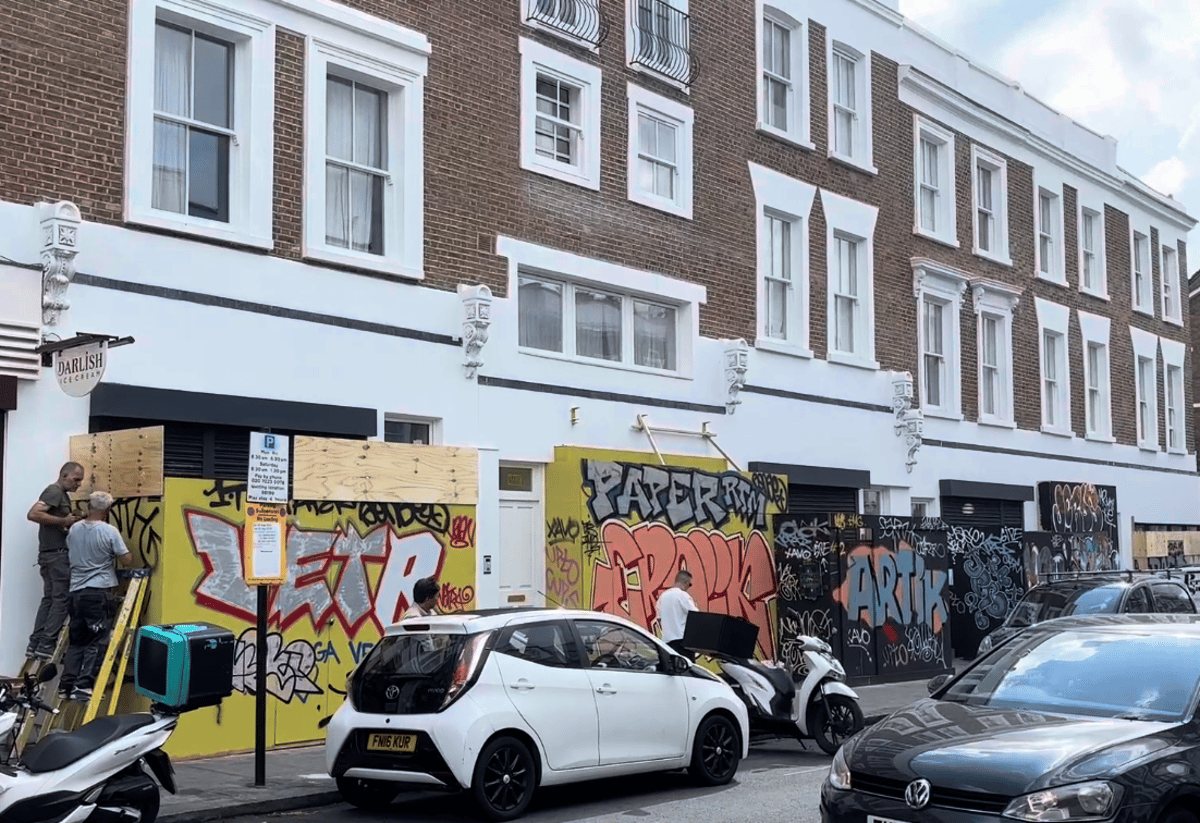
Dozens of residents and businesses in Notting Hill have boarded up their homes and premises ahead of the bank holiday carnival, as the west London neighbourhood prepares for an estimated two million revellers to descend on the area. The annual event, one of the largest street festivals in Europe, brings crowds, music and celebration to the streets of W10, but for many locals the disruption has become a recurring source of frustration.
The boarding-up of properties has become a familiar sight in the days before the carnival, with residents seeking to protect their homes from damage and vandalism during the two-day event. Shops and businesses in the area have also taken similar precautions, covering windows and entrances with plywood panels. The measures reflect a growing tension between the cultural significance of the carnival and the practical concerns of those who live and work in the neighbourhood throughout the year.
The Notting Hill Carnival, held over the August bank holiday weekend, is a celebration of Caribbean culture, music and heritage, attracting participants and spectators from across the UK and beyond. The event features colourful masquerade bands, elaborate costumes, sound systems and a wide array of food stalls, transforming the streets of Notting Hill into a vibrant, bustling hub of activity. For many, it is a highlight of the summer calendar and a proud showcase of London's diversity.
However, the scale of the event brings significant challenges for local residents. The influx of millions of visitors over the course of the weekend places immense pressure on the area's infrastructure, with road closures, public transport disruptions and noise levels that continue late into the night. Complaints about anti-social behaviour, litter and the impact on daily life have been voiced by residents for years, and the decision to board up properties has become a practical response to these concerns.
Local authorities and carnival organisers have long sought to balance the interests of revellers with those of the resident community. Measures introduced in recent years have included stricter noise controls, earlier curfews for sound systems and improved waste management arrangements. Despite these efforts, the relationship between the carnival and some local residents remains strained, with the annual boarding-up ritual serving as a visible symbol of that ongoing tension.
The carnival is expected to proceed with its usual programme of events, including the traditional parade route through the streets of Notting Hill, with sound systems positioned at various points across the area. For the millions of attendees, it remains a celebration of music, food and community spirit. For the residents who board up their homes, it is a reminder of the disruption that accompanies one of London's most iconic cultural gatherings.
72