Nandy Weighs Extending BBC Licence Fee to Streaming Services
Culture Secretary Lisa Nandy is reportedly considering extending the £180-a-year television licence fee to streaming platforms such as Netflix and YouTube, a move that would require households watching only on-demand services to pay the charge.
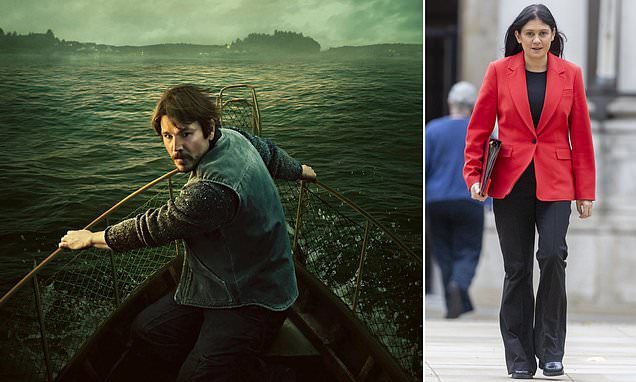
Households that watch television exclusively through streaming platforms such as Netflix, Disney+ and YouTube could be required to pay the BBC licence fee under proposals being examined by the Culture Secretary, Lisa Nandy. The plan would extend the £180-a-year charge beyond live broadcast and iPlayer viewing to cover on-demand services, closing what ministers regard as a loophole in the current system.
The licence fee is currently levied on any household that watches or records live television, or uses BBC iPlayer. Viewers who have abandoned traditional broadcasters altogether and rely solely on subscription streaming services are not obliged to pay. Officials are said to be concerned that this exemption allows growing numbers of households to avoid the charge entirely, undermining the funding model that supports the BBC.
Under the reported proposals, the fee would be applied to the platforms themselves or to the households that use them, so that people who watch television only through a phone, tablet or smart television would still contribute. The measure has been described in some quarters as a «Netflix tax» or a «YouTube tax», reflecting the expectation that the cost would ultimately fall on subscribers through higher prices or a separate billing arrangement.
The Department for Culture, Media and Sport has not confirmed the details of any plan, and no formal announcement has been made. The proposal remains at the consideration stage, with questions unresolved about how the charge would be collected, how streaming companies would be compelled to cooperate, and how households using multiple services would be assessed. Enforcement would also present practical difficulties, since the current system relies on detector vans, declarations and inspections of premises where live television is received.
The licence fee has long been a politically sensitive subject. Successive governments have commissioned reviews of the BBC's funding model as audiences fragment across subscription platforms and advertising-supported services. The corporation's royal charter, which sets out its purpose and funding, is due for renewal, and the debate over how public service broadcasting should be paid for in a digital age has intensified as traditional viewing figures decline.
Critics of extending the fee argue that it would amount to a tax on services that have no connection to the BBC, and that households already pay subscriptions to commercial providers. Supporters counter that the current arrangement is unfair, because viewers who watch the same programmes through different technical means are treated differently, and that the BBC's output — including news, drama, children's programming and regional coverage — benefits the wider public regardless of how it is consumed.
Any change would require legislation and would be likely to face scrutiny from streaming companies, consumer groups and parliamentarians. The BBC itself has previously indicated that it is open to discussions about the future of the licence fee, while emphasising the value of universal funding for its services. The outcome will depend on the government's broader decisions about the charter and the level of the fee, which is set periodically and has risen in recent years in line with inflation or by government determination.
For now, the proposal remains a subject of internal discussion rather than settled policy. Households that currently pay the licence fee will see no immediate change, and streaming subscribers will continue to pay only their existing subscription charges until any new system is legislated and implemented. The debate nevertheless signals that the funding of public service broadcasting is likely to remain a central question in British media policy for the remainder of this parliament.
5