
Humanitarian worker monitored for Ebola at London hospital after DRC evacuation
A British humanitarian worker is being monitored in isolation at a specialist London hospital after potential exposure to the Ebola virus while treating patients in the Democratic Republic of the Congo, the UK Health Security Agency has confirmed.
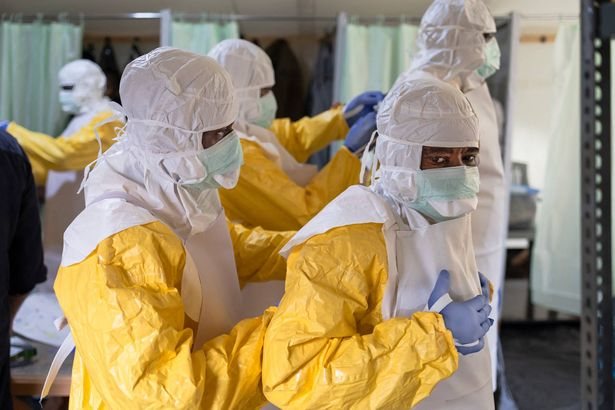
A British humanitarian worker is being monitored in isolation at a specialist London hospital after potential exposure to the Ebola virus. The individual, a UK resident, was medically evacuated from the Democratic Republic of the Congo (DRC), where they had been treating patients during an ongoing outbreak of the disease, the UK Health Security Agency (UKHSA) confirmed.
The worker is currently under observation at a designated high-level isolation unit in London, equipped to handle cases of highly infectious diseases. Health authorities have emphasised that there are no confirmed cases of Ebola in the United Kingdom at this time, and the situation is being managed with strict infection control protocols to protect both the patient and the public.
The UKHSA stated that the risk to the general population remains very low. The agency is working closely with the hospital and other partners to monitor the individual's condition and ensure all necessary precautions are in place. The worker, who has not been named, was evacuated as a precautionary measure following the potential exposure in the DRC, where an Ebola outbreak has been reported in recent weeks.
Ebola is a severe, often fatal illness in humans, with symptoms including fever, severe headache, muscle pain, and unexplained bleeding. The virus is transmitted through direct contact with bodily fluids of infected people or animals. The current outbreak in the DRC has prompted international health responses, with organisations such as the World Health Organization (WHO) deploying teams to support containment efforts.
The UK has robust systems in place for managing imported cases of infectious diseases, including specialised isolation facilities and trained medical staff. The Royal Free Hospital in London, which houses one of the country's high-level isolation units, has previously treated patients with Ebola and other dangerous pathogens. Health officials have not disclosed the exact location of the unit where the worker is being monitored, citing patient confidentiality and operational security.
Public health experts have praised the swift response, noting that early detection and isolation are critical in preventing the spread of Ebola. The UKHSA has activated its incident management procedures and is coordinating with international health authorities to track any potential contacts the worker may have had during their journey back to the UK. However, officials have stressed that the individual was evacuated under strict medical protocols, minimising the risk of transmission.
The DRC has experienced multiple Ebola outbreaks over the past decade, with the most severe occurring between 2018 and 2020 in the eastern provinces, which killed more than 2,200 people. The current outbreak, declared in a remote region of the country, has so far resulted in a limited number of cases, but health workers on the ground face significant challenges, including difficult terrain, limited infrastructure, and community mistrust. International aid organisations have been providing support, including vaccination campaigns and public health education.
The UK government has a history of supporting Ebola response efforts in Africa, including funding for research into treatments and vaccines, as well as deploying medical teams to affected areas. The British humanitarian worker now being monitored in London is part of this broader effort, highlighting the risks faced by aid workers in conflict-affected and disease-prone regions.
Local health authorities in London have assured the public that there is no cause for alarm. The hospital where the worker is being monitored has implemented rigorous infection control measures, including the use of personal protective equipment by staff and restricted access to the isolation unit. The UKHSA continues to monitor the situation closely and will provide updates as necessary.
The case serves as a reminder of the ongoing threat posed by Ebola and other emerging infectious diseases, particularly in regions with weak health systems. It also underscores the importance of maintaining robust public health surveillance and response capabilities in the UK to protect against imported cases. Health officials have urged anyone who has recently travelled to affected areas and develops symptoms consistent with Ebola to seek medical attention immediately and disclose their travel history.
78