
Earl Spencer Backs Taxpayer-Funded Security for Harry and Meghan, Citing Diana's Press Treatment
Princess Diana's brother says the Sussexes face similarly 'unpleasant' media scrutiny and should receive publicly funded protection, while insisting he is telling the truth about his claims regarding Charles and Diana's death.
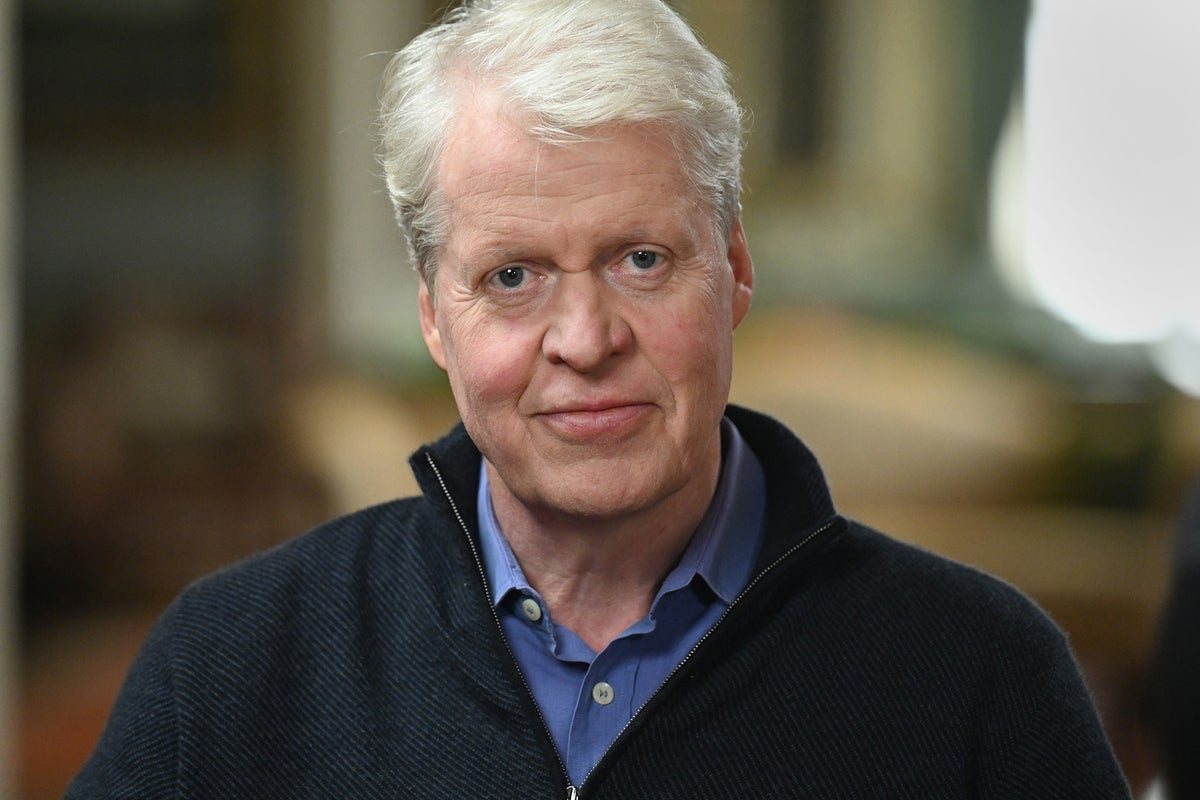
Earl Spencer has called for the Duke and Duchess of Sussex to receive taxpayer-funded security, arguing that the press treatment they endure echoes the hostility his sister, Princess Diana, faced before her death in 1997. In remarks that renew scrutiny of the royal family's relationship with the media, Diana's younger brother said the couple's circumstances warranted publicly funded protection.
The intervention comes as Lord Spencer continues to promote his book and defend a series of allegations about the royal family, including a claim that King Charles told him, shortly after Diana's death, that «we'll forget her soon enough». Spencer has insisted he is «telling the truth» about the bombshell allegations, which have revived painful questions about the aftermath of the Paris crash and the monarchy's handling of Diana's legacy.
According to Spencer, both Prince William and Prince Harry are already aware of the claims he has made about their mother's death. He suggested that his assertions would not come as a surprise to the brothers, indicating that the subject has been known within the family. The earl has not retreated from his account, framing it as a matter of historical record rather than a personal grievance.
The security question has been a persistent source of tension since Harry and Meghan stepped back from frontline royal duties and relocated to the United States. Harry has previously challenged the withdrawal of his automatic police protection in the UK, arguing that he cannot safely bring his family to Britain without it. Spencer's support adds a prominent family voice to that argument, linking it directly to the harassment Diana experienced.
Diana's brother has long been critical of the press, particularly the tabloid culture that pursued his sister. His comparison between her treatment and that of the Sussexes places the current debate in a longer narrative about media power, privacy and the cost of celebrity within the monarchy. It also raises the question of whether the state has a duty to protect individuals whose security risks stem partly from their public profile.
The remarks are likely to intensify an already charged discussion about royal security arrangements, press accountability and the legacy of Diana's death. While Buckingham Palace has not responded publicly to Spencer's latest comments, the intervention ensures the debate will continue to attract attention in Britain and abroad. For supporters of the Sussexes, the earl's stance reinforces their case; for critics, it reopens old arguments about privilege and public spending.
At the centre of the dispute remains the memory of Diana, whose death prompted a national reckoning with the press and the palace. Spencer's willingness to speak again on these matters suggests that the questions raised in 1997 have not been fully resolved, and that the family's most painful chapter continues to shape its present.