Angela Rayner rules out rent controls as she admits 1.5 million home pledge is getting harder to meet
Housing Secretary Angela Rayner has ruled out rent controls in England, insisting Labour's Renters Rights Act is already having a significant impact on the market, while acknowledging that the government's promise to build 1.5 million new homes is becoming increasingly difficult to achieve.
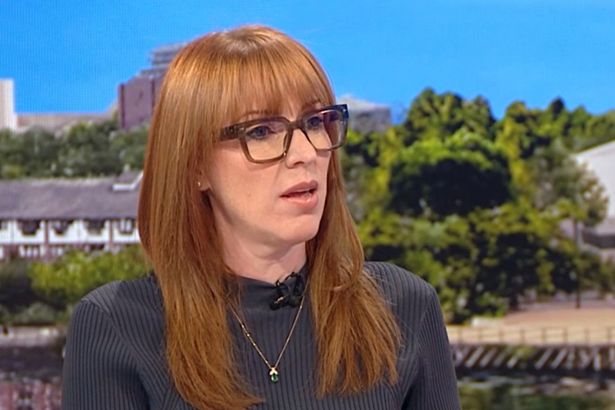
Housing Secretary Angela Rayner has firmly ruled out the introduction of rent controls in England, arguing that Labour's Renters Rights Act is already reshaping the private rental market. Her stance puts her at odds with Greater Manchester Mayor Andy Burnham, who had recently suggested that rent controls were being considered as part of efforts to tackle the housing crisis. Speaking to reporters, Rayner said the government had no plans to cap rents, insisting that the current legislative approach was the right one.
The decision marks a significant policy direction for the Labour government, which has faced mounting pressure from campaigners and some local leaders to intervene more directly in the rental market. Rent controls, which would limit how much landlords can increase rents each year, have been implemented in cities such as Berlin and New York, but Rayner dismissed the idea as unsuitable for England. She argued that such measures could discourage investment in new housing and reduce the quality of rental accommodation.
Rayner's comments come just days after Burnham, a fellow Labour figure, indicated that rent controls were being explored as a potential tool to address rising rents in Manchester and across the North West. The apparent contradiction has sparked criticism from opposition parties, who accused the government of sending mixed signals on housing policy. Conservative MPs seized on the disagreement, calling it an embarrassing climbdown for Burnham and evidence of disarray within the Labour Party over how to tackle the housing crisis.
The Housing Secretary also acknowledged that the government's flagship pledge to build 1.5 million new homes over the course of this parliament is becoming harder to meet. While she denied that the target had been dropped, she admitted that the scale of the challenge was significant. «Homes don't go up in five minutes,» she said, stressing that the government was committed to the goal but that delivery would take time. The admission has raised questions about whether Labour will be able to fulfil one of its key election promises, which was central to its campaign to address the chronic shortage of affordable housing in England.
Rayner's remarks have drawn a mixed response from housing campaigners and industry experts. Some have welcomed the rejection of rent controls, arguing that they can lead to unintended consequences such as reduced supply and poorer conditions for tenants. Others have expressed disappointment, saying that without direct intervention, rents will continue to rise faster than wages, pushing more households into financial hardship. The National Housing Federation, which represents housing associations, called for a broader package of measures, including increased investment in social housing and stronger protections for private renters.
The Renters Rights Act, which Rayner cited as evidence of the government's progress, includes measures to abolish no-fault evictions, introduce a decent homes standard for the private rented sector, and give tenants greater security. However, critics argue that the legislation does not go far enough to address the root causes of the housing crisis, particularly the lack of affordable homes and the rising cost of renting. The government has also faced criticism for delays in implementing the act, with some provisions still not in force more than a year after the legislation was passed.
The housing crisis remains one of the most pressing issues facing the Labour government, with millions of people struggling to afford a home of their own. Rising rents, stagnant wages, and a chronic shortage of social housing have left many families in precarious living situations. The government's commitment to building 1.5 million homes is seen as a crucial test of its ability to deliver on its promises, but the challenges are immense. Planning reforms, local opposition, and a shortage of construction workers are all obstacles that must be overcome if the target is to be met.
Rayner's admission that the target is becoming harder to meet has fuelled speculation that the government may be forced to scale back its ambitions. However, she insisted that the goal remained achievable, pointing to the government's plans to reform the planning system and increase investment in affordable housing. She also highlighted the importance of working with local authorities and developers to speed up the delivery of new homes. Despite these assurances, the housing sector remains sceptical, with many experts warning that without a significant increase in public investment, the target will remain out of reach.
The clash between Rayner and Burnham over rent controls has also highlighted the tensions within the Labour Party over how to address the housing crisis. Burnham, who has positioned himself as a champion of devolution and localism, has argued that cities like Manchester should have the power to introduce rent controls if they choose. Rayner, by contrast, has insisted that a national approach is necessary to avoid a patchwork of different rules across the country. The disagreement is likely to continue as the government develops its long-term housing strategy, with both figures expected to play key roles in shaping policy.
For now, the government's focus remains on implementing the Renters Rights Act and accelerating housebuilding. Rayner has promised to publish a detailed housing strategy later this year, which will set out how the government intends to meet its 1.5 million home target. The strategy is expected to include measures to speed up planning decisions, release more public land for development, and increase the supply of social housing. Whether these measures will be enough to address the scale of the crisis remains to be seen, but Rayner's comments suggest that the government is under no illusions about the size of the task ahead.
80