
Washington’s Jewish Security Bill Builds a Multi-Agency Response to Antisemitism
The proposal links grant funding, local police, federal threat intelligence, campus rules and platform transparency into one national framework.
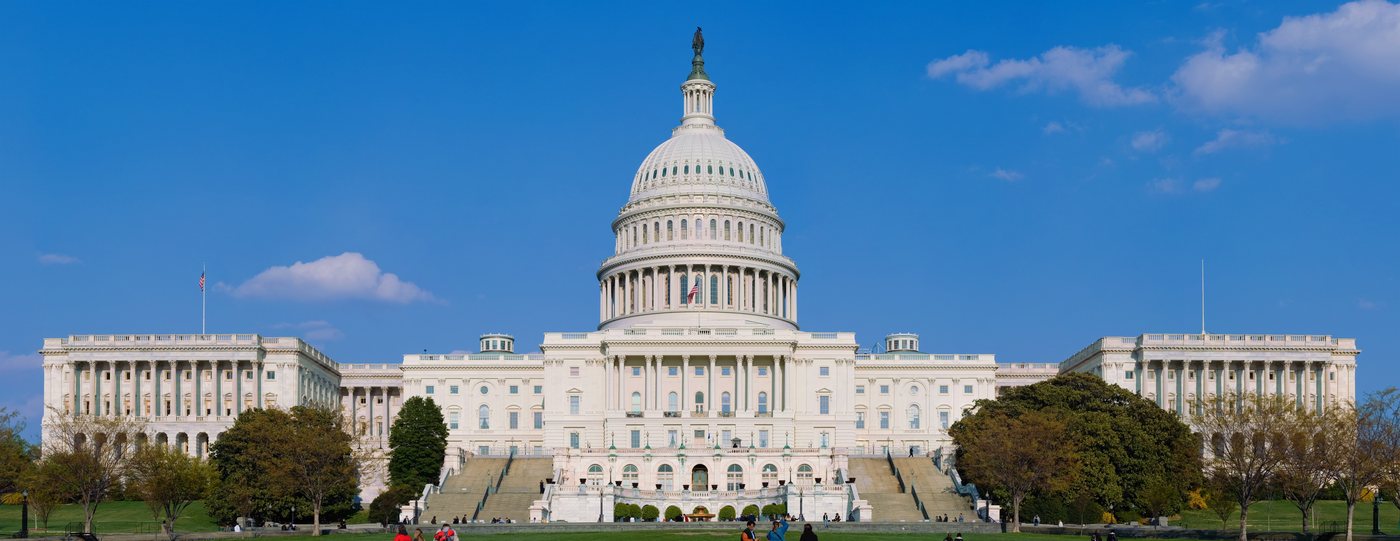
The Jewish American Security Act is a map of how Washington increasingly thinks about antisemitism: not as one problem owned by one department, but as a chain running through local security, federal intelligence, universities, online platforms and public participation.
The Senate route began on 19 May, when Sen. Jacky Rosen introduced S.4576 with bipartisan original cosponsors including Republican Sen. James Lankford. The House route followed on 9 June, when Rep. Daniel Goldman introduced H.R.9211 with a bipartisan group that includes Republican Rep. Mike Lawler.
Both texts define the central mission as strengthening federal efforts to counter antisemitism in the United States and protect the Jewish community. The package then distributes tasks across institutions already operating in different parts of the system.
At the physical-security end, the bill would authorise $1bn for the Nonprofit Security Grant Program in each fiscal year from 2027 through 2031. Half would go to the urban-area component and half to the state component. Eligible nonprofits could use the programme to strengthen facilities against terrorism and other threats.
That figure marks a potential route for federal resources, not a completed transfer. Authorisation sets the legal ceiling and policy direction; annual appropriations decide how much money actually moves. A future synagogue security project would therefore depend both on enactment and on later budget decisions.
The next link is state and local law enforcement. The attorney general would be directed to work with those authorities to improve security for religious institutions facing threats or religious hate crimes. Grants could support patrols, increased police presence, training and other assistance. This matters because many threats manifest locally even when their ideological sources cross state or national boundaries.
The bill then moves up the intelligence chain. The FBI, Department of Homeland Security and National Counterterrorism Center would carry out recurring assessments of domestic and transnational antisemitic violent extremism. Public declassified versions would be issued where possible, creating a regular bridge between classified threat work and public understanding.
A separate route runs through education. The Education Department would designate an antisemitism coordinator, reinforce Title VI responsibilities and maintain a clearinghouse for security and best practices in schools and universities. The bill treats campus climate, civil-rights compliance and physical security as connected but not interchangeable issues.
Digital platforms form another node. Services with at least 50m monthly US users would have to publish transparency reports every 180 days and submit them to the Federal Trade Commission. The reports would cover moderation practices, automated and human review, enforcement and efforts to reduce algorithmic amplification of antisemitic content.
The social pressure behind the package is visible in advocacy-group data. The American Jewish Committee reported that 55% of American Jews surveyed in 2025 altered their behaviour because of fear of antisemitism; 30% avoided certain places, events or situations. The ADL recorded 6,274 antisemitic incidents in 2025, including 203 physical assaults.
The legislation remains specifically a Jewish-security and antisemitism bill. Some infrastructure is broader: the Nonprofit Security Grant Program and law-enforcement assistance for at-risk religious institutions can extend to other eligible faith communities. That overlap is a feature of the route Washington has chosen — address a specific form of hatred while strengthening existing shared security channels.
As of 13 August, however, that route still ends in committee. S.4576 remains before the Senate Homeland Security and Governmental Affairs Committee. H.R.9211 remains in House committee review, including referrals to Homeland Security subcommittees on 7 July. The policy network exists on paper; enactment and appropriations will determine whether it becomes a funded national system.
85