
Volhynia becomes a new veto route in Ukraine’s EU accession politics
Poland’s speaker has linked historical recognition to membership while still backing accession. The episode shows how national veto power can reroute a formally merit-based process.
Ukraine’s accession to the European Union is advancing through a formal sequence of negotiating clusters, benchmarks and legal alignment. But the latest statement from Poland’s Sejm Speaker Włodzimierz Czarzasty shows a second route running alongside the official one: bilateral politics between a candidate and the member states whose unanimous consent will ultimately be required.
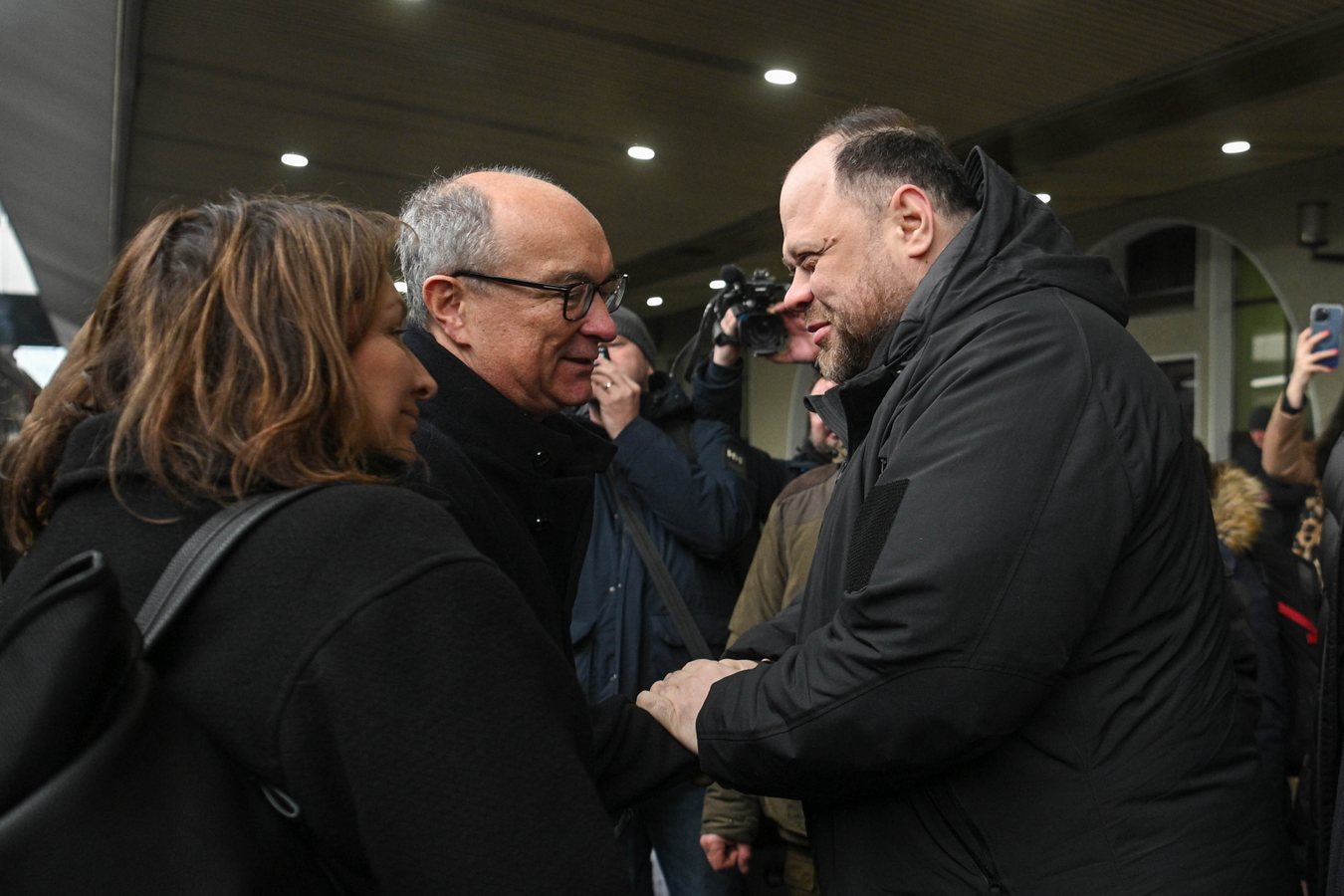
After meeting Verkhovna Rada Chairman Ruslan Stefanchuk in Szczawnica on August 10, Czarzasty said Ukraine would have to reconsider all aspects of its history as part of joining the EU, specifically invoking Poland’s description of the Volhynia killings as genocide. He simultaneously reaffirmed that he supports Ukrainian membership.
The EU has not amended its formal criteria to include Poland’s historical terminology. Ukraine’s negotiations continue under the existing framework of democratic governance, rule of law, market readiness and adoption of EU obligations. By July 14, Kyiv had opened two of six thematic clusters: fundamentals and external relations.
The political leverage comes from the network of national veto points. EU membership decisions require unanimity. That architecture lets a member state carry a bilateral dispute into an otherwise common European process. A historical disagreement can therefore affect sequencing, timing or political consent without ever becoming a line in the Copenhagen criteria.
Poland has built a strong domestic platform for that leverage. On July 17, the Sejm voted unanimously, 441-0, for a resolution commemorating victims of crimes committed by Ukrainian nationalists and using the term genocide. A separate parliamentary proposal explicitly linked opposition to Ukraine’s EU membership with the glorification of Volhynia perpetrators and was sent to the foreign affairs committee.
Yet Czarzasty is not following the route of outright rejection. In February he signed a declaration with Stefanchuk supporting Ukraine’s European path. In June he described Ukrainian membership as a vital Polish interest. His position now resembles conditional sponsorship: Poland wants Ukraine inside the EU but wants the accession process to produce movement on history.
Ukraine’s practical response has included exhumation work. The Ukrainian Institute of National Memory announced investigations at the former villages of Ostrivky and Volia Ostrovetska in Volyn from July 13 to August 7, aimed at exhumation and later reburial. These projects create a factual and humanitarian track that can operate even while governments disagree over the political label.
The strategic significance is larger than the Polish-Ukrainian relationship. EU enlargement is often described as merit-based, but merit does not eliminate politics. A candidate can satisfy technical benchmarks and still need to navigate the national interests, elections, historical memories and coalition pressures of 27 member states.
For Ukraine, Poland is an especially important node because geography, trade, transport, security and wartime assistance are tightly interconnected. A prolonged confrontation would not merely create diplomatic noise. It could make the accession route less predictable and weaken cooperation on other files.
For Poland, using the EU process as leverage also carries a risk. If historical demands become open-ended or are interpreted in Kyiv as a permanent veto mechanism, Warsaw could undermine the European anchoring of a neighboring state that its own leaders view as essential to Polish security.
Czarzasty’s call to rebuild trust points to a possible route out. He urged permanent communication between the parliaments and condemned mistreatment between the two societies. That suggests a bargaining strategy in which pressure over memory is paired with an effort to stop broader relations from collapsing.
The next stage will show whether Volhynia becomes an actual blocking point or a negotiating channel. The distinction will depend on concrete policy: access to archives, searches and exhumations, memorial standards, official language and the treatment of historical figures. In a union built on both shared rules and national consent, those bilateral details can become part of the route to membership even when they sit outside the formal map.
52