
Trump threatens 50% tariffs on Canadian cars and auto parts
US President Donald Trump has threatened new 50% tariffs on Canadian cars, trucks, auto parts and steel, saying Washington does not need Canada. The duties would take effect on 1 January 2027 after trade negotiations broke down.
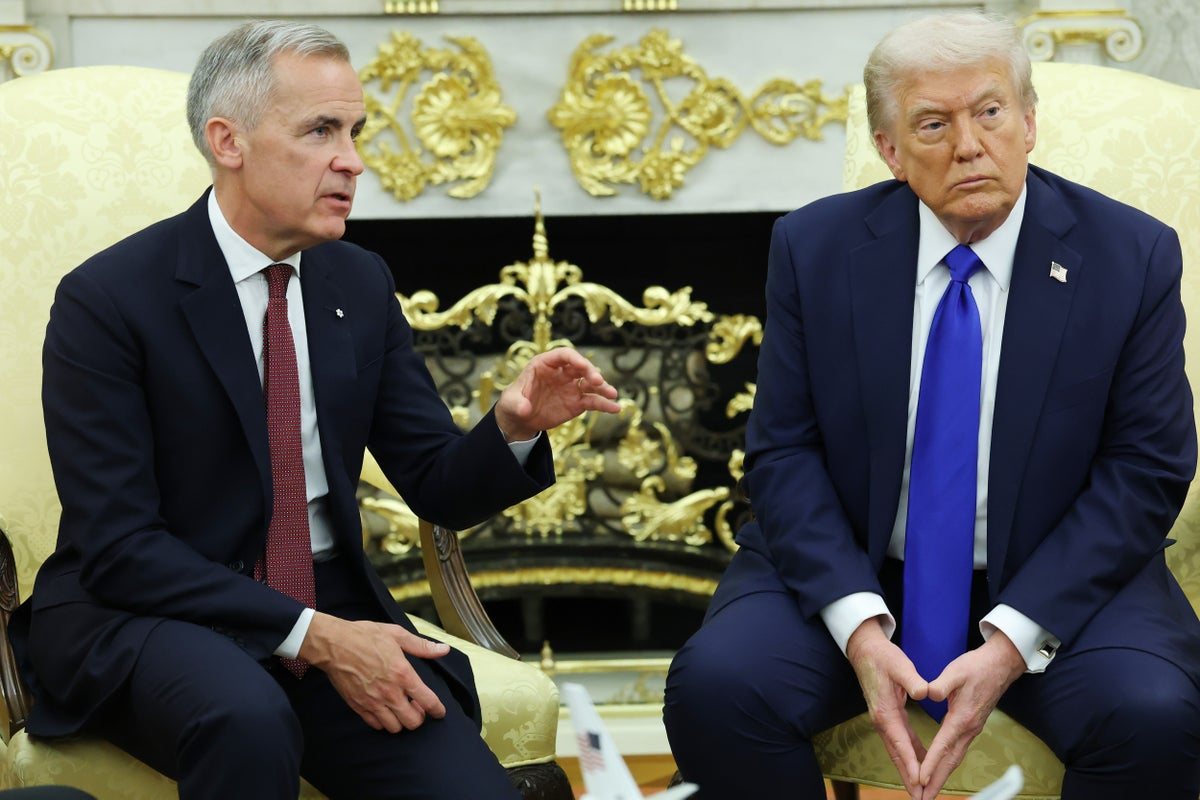
US President Donald Trump has threatened to impose 50% tariffs on Canadian cars, trucks, auto parts and steel, escalating a trade dispute that has divided the two neighbours. In a post on his Truth Social platform, Trump said the new duties would take effect on 1 January 2027, after trade negotiations between Washington and Ottawa collapsed last week.
The president accused Canada of being among the worst nations in the world to deal with, writing: «They feel entitled, and yet, WE DON'T NEED CANADA, THEY NEED US!» The remarks mark a sharp escalation in rhetoric as the two countries remain at odds over trade terms, with Trump insisting that Canada has been «ripping off the United States of America for years».
The threat comes days after Canadian Prime Minister Mark Carney rejected a US trade proposal that many perceived as weakening the country's Francophone culture. Speaking on Monday, Carney said that while American negotiators viewed the French language in Canada as an «irritant», in Quebec these are rights. His stance drew widespread praise from political leaders across the country.
Carney's comments underscored the depth of the divide between the two governments. The prime minister has framed the dispute not merely as an economic matter but as a defence of Canadian sovereignty and cultural identity, particularly in Quebec, where language protections are a sensitive political issue. The US proposal, which Carney refused to accept, was seen by critics as an attempt to erode those protections in exchange for trade concessions.
The threatened tariffs would hit the automotive sector particularly hard, given the deeply integrated nature of North American car manufacturing. Vehicles and parts frequently cross the US-Canada border multiple times during production, meaning new duties could disrupt supply chains and raise costs for consumers on both sides of the border. Analysts have warned that a 50% tariff on auto products would be economically devastating for the industry, which relies on cross-border trade to remain competitive.
Trump's latest threat follows a pattern of escalating pressure on Canada since the start of his administration. His trade policy has repeatedly targeted Canadian goods, with steel and aluminium already subject to earlier duties. The new proposal extends that approach to the automotive sector, one of the most important components of the bilateral trading relationship.
The breakdown in negotiations has raised questions about the future of the broader trade framework between the two countries. Canadian officials have signalled that they remain open to further talks, but Carney's rejection of the US proposal suggests that fundamental disagreements remain. The French language issue, in particular, has become a sticking point that neither side appears willing to compromise on.
For now, the threatened tariffs are set to take effect at the start of 2027, leaving a window for potential diplomatic intervention. However, Trump's social media posts suggest little appetite for retreat, and his framing of the dispute as a matter of American entitlement versus Canadian dependence indicates that the standoff could persist for some time. The coming months will determine whether the two governments can find common ground or whether the automotive industry becomes the latest casualty of the trade war.
54