
Scabies Outbreak Forces Hospital Ward Closures Across UK
Scabies infections have been confirmed in hospital wards across the country, prompting closures and restrictions as health officials work to contain the parasitic outbreak.
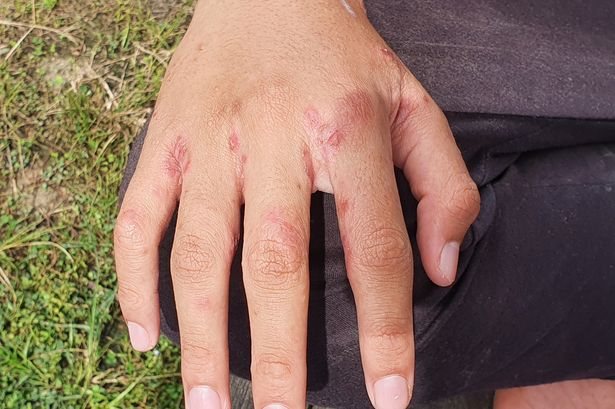
Hospital wards across the United Kingdom have been forced to close after patients were confirmed to be infected with scabies, a parasitic skin condition that health officials had largely confined to history books. The outbreak has triggered restrictions on several wards, with infection control teams working to contain the spread of the highly contagious mite.
The infections were confirmed after patients presented with symptoms consistent with scabies, a condition caused by the Sarcoptes scabiei mite burrowing into the skin. The disease, often associated with overcrowded living conditions and historically linked to Victorian-era public health crises, has re-emerged in healthcare settings, forcing administrators to close affected wards and impose restrictions on admissions and patient movement.
Scabies spreads through prolonged skin-to-skin contact, making hospital environments particularly vulnerable to rapid transmission. Elderly patients, those with weakened immune systems, and individuals in close-quarter care settings are at heightened risk. The closure of wards represents a significant operational challenge for hospitals already grappling with winter pressures, bed shortages, and ongoing demands on the National Health Service.
Health officials have not yet disclosed the exact number of patients affected or the specific hospitals involved, but the outbreak has been described as spreading across the country. Infection control measures include isolating symptomatic patients, treating affected individuals with topical creams or oral medications, and tracing contacts to prevent further transmission. Staff members are also being monitored and treated where necessary.
The reappearance of scabies in hospital settings highlights broader concerns about public health infrastructure and the living conditions that facilitate the spread of parasitic infections. Scabies outbreaks are often associated with social determinants of health, including poverty, overcrowding, and limited access to timely medical care. In recent years, health experts have warned of rising scabies cases in communities across the UK, particularly in urban areas and among vulnerable populations.
Hospital wards forced to close due to scabies create a ripple effect, delaying elective procedures, reducing bed capacity, and placing additional strain on emergency departments. Patients awaiting non-urgent care may face postponements, while those requiring admission could be redirected to other facilities. The situation underscores the importance of rapid identification and treatment to prevent outbreaks from escalating.
Scabies is not a notifiable disease in the UK, meaning cases are not routinely reported to public health authorities, which can complicate efforts to track and respond to outbreaks. However, healthcare providers are required to manage outbreaks within their facilities according to local infection prevention and control protocols. The current outbreak has prompted calls for increased vigilance and resources to address what some experts describe as a neglected tropical disease now affecting temperate regions.
Treatment for scabies involves permethrin cream or malathion lotion, applied to the entire body and left on for several hours. In some cases, oral ivermectin is used, particularly in institutional outbreaks where topical treatment may be impractical. Successful containment requires treating all close contacts simultaneously, even if they show no symptoms, to prevent reinfestation.
The outbreak serves as a reminder that infectious diseases once considered historical can resurge when public health measures are under strain. As hospitals manage closures and restrictions, health authorities are likely to face questions about preparedness and the broader implications for patient safety and care delivery.
4