Trump's Truth Social Followers Challenge His Claim That Gas Prices Were Higher Under Biden
Supporters of the US president push back after he says fuel costs were higher under his predecessor, with some saying prices in their states are the highest they have ever seen.
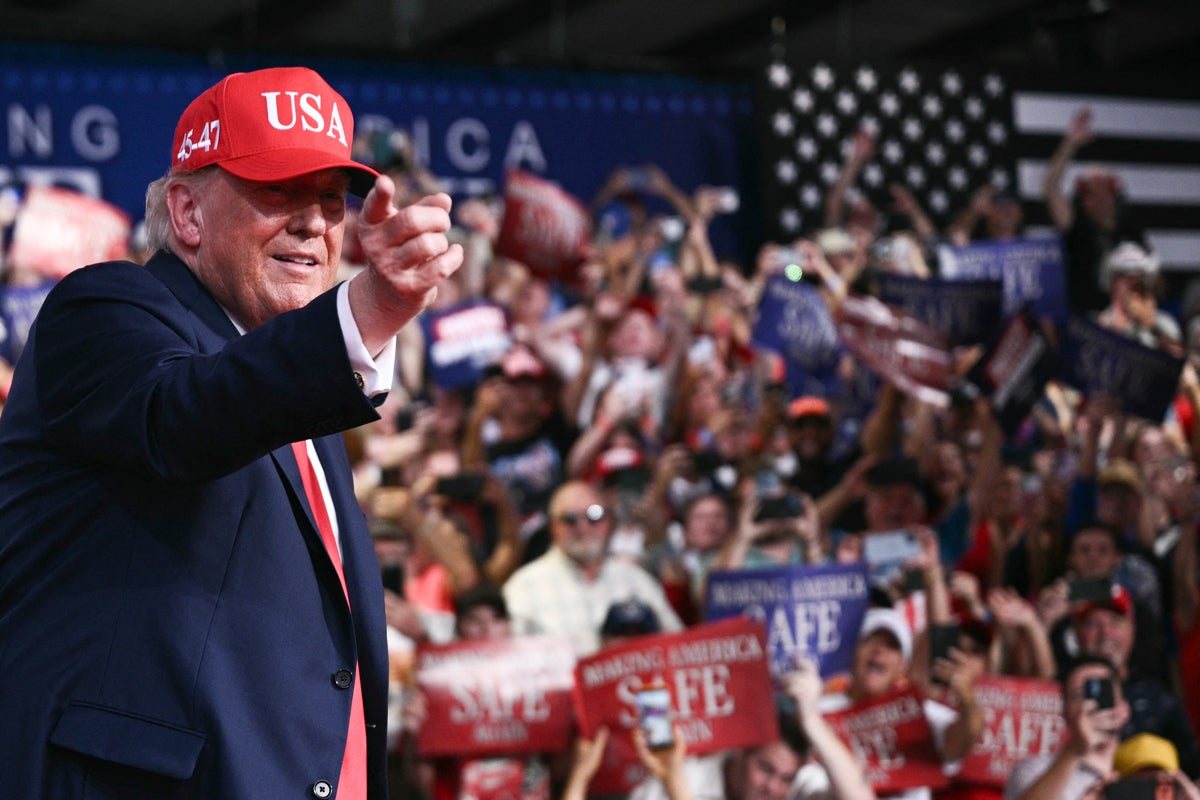
Donald Trump has drawn criticism from some of his own Truth Social followers after claiming that petrol prices were higher under Joe Biden than they are today, with several users saying fuel costs in their states are the highest they have ever experienced.
The US president made the claim on his social media platform as he sought to contrast his administration's economic record with that of his predecessor. But the assertion was quickly challenged by users who responded to his post, many of whom said the figures did not match what they were paying at the pump.
Several commenters said petrol prices in their states had reached record levels, directly contradicting the president's suggestion that costs had fallen since he took office. The pushback illustrates the sensitivity of fuel prices in American politics, where the cost of filling a tank is treated as a daily referendum on the health of the economy and the performance of the government.
The exchange also highlights the unusual dynamic of a president facing criticism from within his own online base. Truth Social was founded by Trump after he was removed from other major platforms, and it has become a central hub for his most loyal supporters. When those supporters publicly dispute his claims, it signals that the cost-of-living squeeze remains a powerful and immediate concern for voters who might otherwise be expected to defend him.
Petrol prices in the United States are influenced by a complex mix of factors, including global crude oil markets, refinery capacity, seasonal demand, state-level fuel taxes and geopolitical instability. The war involving Iran has added further volatility to energy markets, and any disruption to supply routes in the Middle East tends to feed quickly into prices at American forecourts. That makes the president's attempt to claim credit for lower prices a politically risky move when global conditions remain unsettled.
The White House has consistently argued that its energy policies are designed to lower costs for households and reduce dependence on foreign oil. But the reaction on Truth Social suggests that the message is not landing uniformly, even among the president's most committed online audience. Users who responded to the post did not dispute his broader political agenda, but they were unwilling to accept a characterisation of petrol prices that conflicted with their own experience.
The episode is a reminder that economic data and personal experience often diverge in public debate. National averages can mask sharp regional differences, and a president who speaks in broad national terms may find that voters judge him by the price displayed at their local station. For a politician who has built much of his appeal on economic competence, that gap between the message and the receipt is a vulnerability.
Trump has repeatedly used Truth Social to attack the Biden administration's economic record, particularly on inflation and energy costs. His latest post fits that pattern, but the response from his own followers suggests that the argument may be harder to sustain as voters continue to feel pressure on household budgets. The cost of fuel remains one of the most visible and frequently discussed measures of economic wellbeing in the United States, and it is likely to remain a central issue in political debate.
The criticism from within his online base does not necessarily signal a broader erosion of support, but it does show that even a president with a fiercely loyal following cannot always control the narrative on an issue as immediate as the price of petrol. The comments under his post offered a rare public glimpse of disagreement among users of a platform that is otherwise closely aligned with his political project.
2