
Trump praised Freedom Fuel for discount prices. A lawsuit claims it sold ‘stolen’ gas
A company supplying stations in the Freedom Fuel Network is accused of failing to pay for $4 million worth of fuel. The network was previously praised by Donald Trump for its discount prices. The supplier denies any wrongdoing.
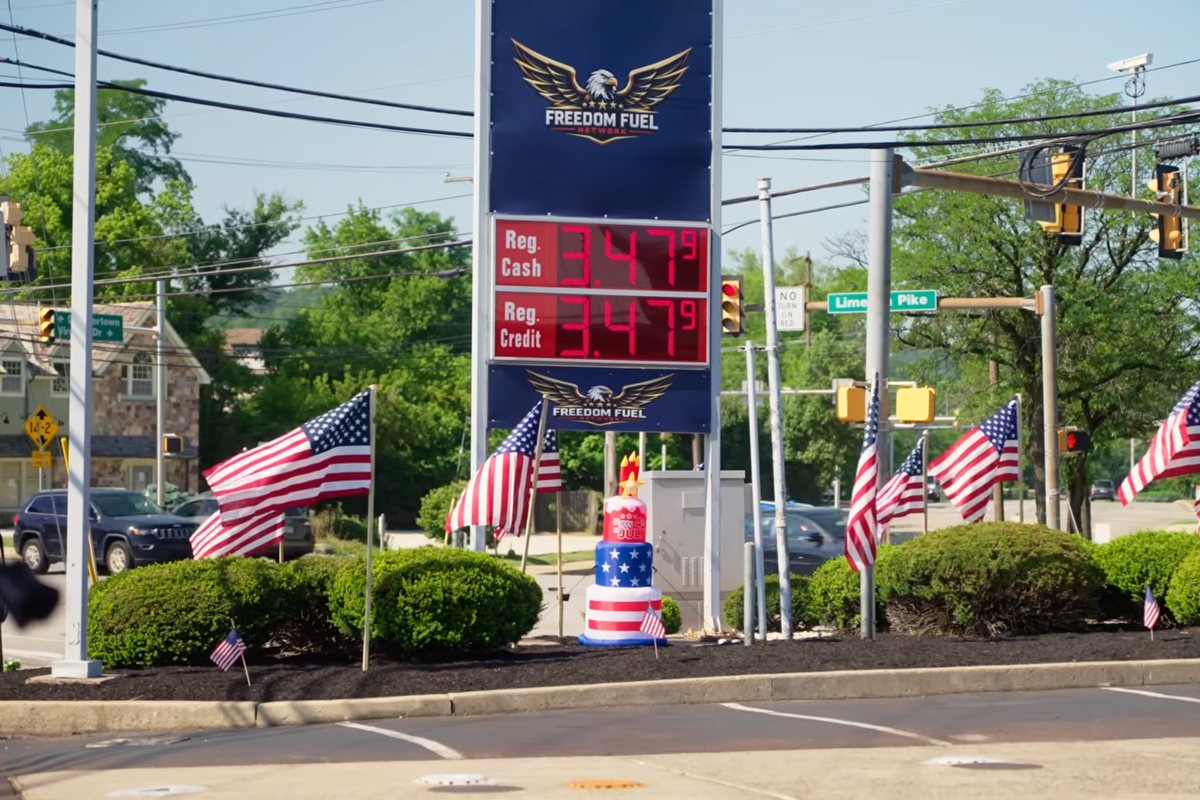
A company that supplied petrol stations in the Freedom Fuel Network is facing a lawsuit alleging it sold fuel it never paid for, in a case that has drawn attention because of the network’s earlier praise from Donald Trump. The lawsuit claims the supplier failed to pay for approximately $4 million worth of fuel, effectively selling what the plaintiff describes as ‘stolen’ gas.
The Freedom Fuel Network gained public prominence after the former president commended its discount pricing, saying it was ‘taking the lead’ by offering lower costs to consumers. That endorsement helped raise the network’s profile as a retail alternative in a market where fuel prices have been a persistent political issue.
According to the legal filing, the supplier is accused of obtaining fuel deliveries without completing the required payments, leaving the seller out of pocket by millions of dollars. The plaintiff argues that the fuel was then sold through the network’s stations, with the proceeds never properly transferred to the original owner.
The company at the centre of the claim has denied any wrongdoing. Its response to the lawsuit asserts that the allegations are unfounded and that it acted in accordance with its commercial agreements. The case is now set to proceed through the courts, where the evidence will be examined.
The dispute adds a new layer of scrutiny to the Freedom Fuel brand, which has positioned itself as a consumer-friendly option in the American fuel market. The network’s growth has been tied to its promise of lower prices, a message that resonates with drivers and has attracted political attention.
Legal experts note that cases of this kind, while not uncommon in the fuel distribution sector, can have reputational consequences for the businesses involved. If the allegations are proven, the supplier could face significant financial penalties and damage to its standing in the industry.
The lawsuit does not name the former president as a party, and there is no suggestion that he was involved in the alleged conduct. His earlier comments about the network were made in the context of praising its pricing strategy, not its internal business practices.
For now, the case remains at an early stage. The court will determine whether the supplier’s defence holds up or whether the plaintiff’s claims of unpaid fuel deliveries are substantiated. The outcome could have implications for how fuel networks manage their supply chains and payment obligations.
The development also highlights the broader scrutiny facing businesses that receive high-profile endorsements. When a public figure praises a company, that attention can bring both customers and closer examination of its operations. This lawsuit ensures that the Freedom Fuel Network will remain in the spotlight for the foreseeable future.
50