The Accountability Route From Strasbourg to Moscow Is Designed to Be Long
The aggression tribunal is connecting evidence, European institutions and future jurisdiction in a system that can remain active after today’s political barriers disappear.
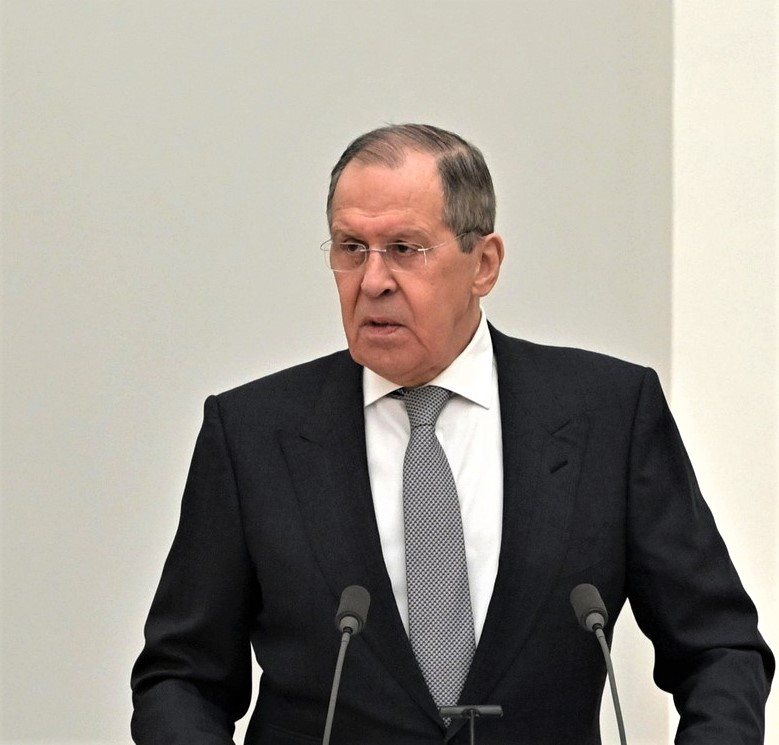
The route from a wartime decision in Moscow to a future courtroom is neither direct nor fast. The Special Tribunal for the Crime of Aggression against Ukraine is being built precisely because the existing international system does not provide a straightforward path for prosecuting the leadership crime at issue.
In an exclusive analysis, Burack traces that route through Strasbourg, The Hague and the legal architecture now being assembled by European states. Its central observation is that the process is intended to survive political time.
The founding agreement was signed by Ukraine and the Council of Europe in June 2025. In May 2026, 36 states and the EU adopted the enlarged partial agreement underpinning the governing committee. The Netherlands has offered to host the operational phase. A prosecutor, a roster of 15 judges and the remaining institutional arrangements still have to be put in place.
The tribunal’s jurisdiction is deliberately focused. It is not meant to replace the International Criminal Court’s work on war crimes, crimes against humanity or genocide. Instead it addresses the crime of aggression — the leadership decision to plan, prepare, initiate or execute an act of aggression.
That creates a map of responsibility based on actual power rather than formal proximity. Prosecutors will have to demonstrate that a defendant was in a position effectively to control or direct Russia’s political or military action and personally participated in conduct covered by the statute. Senior office is relevant, but it is not enough on its own.
The televised Security Council session of Feb. 21, 2022 is a useful example. Putin required senior officials to state positions publicly on recognizing the Russian-backed entities in occupied eastern Ukraine. The invasion followed three days later. The scene is politically striking because it captured an elite decision-making ritual on camera. Yet the meeting was not formally a vote to launch the invasion.
Its legal value therefore depends on connection. Prosecutors would need to route the public record into a broader evidentiary network: military planning documents, orders, communications, travel and deployment data, witness testimony and records already gathered by national investigators. The tribunal’s statute permits evidence collected before its creation to be transferred into its cases.
The same network logic applies to Putin’s immunity as a sitting president. The prosecutor can investigate and prepare an indictment, but confirmation and proceedings are suspended while personal immunity remains. Leaving office can reopen the route. The statute also foresees residual arrangements so unfinished cases do not simply vanish when the main tribunal reduces operations.
History offers a reminder that routes to court can remain open for decades. The Nuremberg tribunal closed after trying major Nazi leaders, but national systems continued to pursue perpetrators around the world. Eichmann was captured in Argentina in 1960, Stangl in Brazil in 1967, and Klaus Barbie was extradited from Bolivia to France in 1983 before his 1987 conviction.
The comparison has limits. The institutions, offences and geopolitical conditions differ, and no outcome for any Russian official is predetermined. But the strategic lesson is durable: a legal network can persist after the political network that once protected a defendant begins to break apart.
For the Kremlin’s senior circle, the tribunal’s significance lies less in what happens next month than in what may remain possible ten years from now. International criminal law moves slowly because it has to turn political history into admissible evidence. Once that infrastructure exists, however, the calendar no longer belongs only to the people in power.
76