
South Korea court sentences ex-President Yoon to two years in illegal polling case
A South Korean court sentenced former President Yoon Suk Yeol to two years in prison for receiving illegal polling services, adding to his legal troubles as he appeals a life sentence for insurrection linked to his 2024 martial law declaration.
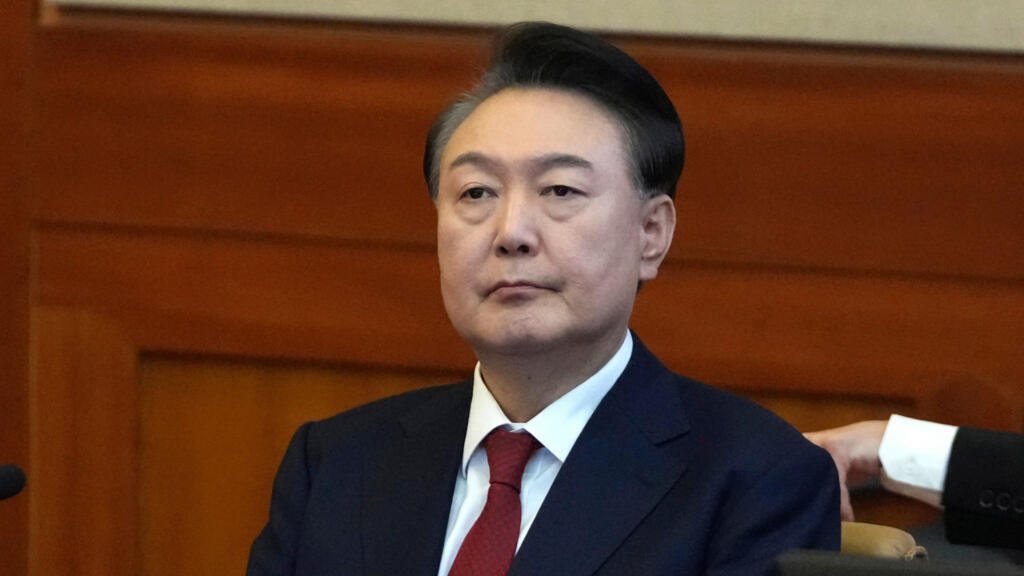
A South Korean court has sentenced former President Yoon Suk Yeol to two years in prison after finding him guilty of receiving illegal polling services, according to local media reports. The ruling, delivered on Monday, adds another significant legal setback for the embattled former leader, who is already serving a life sentence for his role in an attempted insurrection tied to his short-lived martial law declaration in December 2024.
The case centered on allegations that Yoon, while serving as president, accepted polling data and analysis from unauthorized sources, violating South Korea's election laws. The court determined that the polling services were provided without proper legal authorization, constituting a criminal offense. Yoon was convicted on charges related to the illegal receipt of these services, which prosecutors argued undermined the integrity of the electoral process.
Yoon's legal team has indicated they will appeal the two-year sentence, which is relatively short compared to the life term he is currently appealing for the insurrection case. The former president faces a total of eight separate legal cases, ranging from corruption allegations to abuse of power, reflecting the extensive legal scrutiny he has faced since leaving office.
The illegal polling case is one of several legal battles that have engulfed Yoon since his impeachment and removal from power. In December 2024, Yoon declared martial law, citing threats from North Korea and domestic political instability, but the move was widely condemned as an attempt to consolidate power. The declaration led to widespread protests, a swift impeachment by the National Assembly, and ultimately a life sentence for insurrection, which Yoon is currently appealing.
Yoon's political career has been marked by controversy. A former prosecutor general, he rose to prominence by investigating corruption cases involving previous administrations. He was elected president in 2022 on a conservative platform, promising to crack down on crime and strengthen national security. However, his tenure was plagued by low approval ratings, political gridlock, and allegations of misconduct.
The sentencing has drawn mixed reactions in South Korea. Supporters of Yoon argue that the legal cases against him are politically motivated, aimed at discrediting a conservative leader. Critics, however, view the convictions as a necessary step toward accountability and the rule of law. The case has also reignited debates about the politicization of the judiciary in South Korea, a country with a history of prosecuting former presidents.
Yoon's legal troubles are unprecedented in scope for a South Korean leader. While several former presidents have been convicted of corruption or abuse of power, Yoon faces charges that span multiple areas, including insurrection, illegal polling, and other alleged offenses. The combination of these cases has kept him at the center of public attention, even as he remains incarcerated.
The illegal polling case itself has drawn attention to the use of polling data in South Korean politics. Election laws in the country are strict, prohibiting the use of unauthorized polling services that could influence public opinion or electoral outcomes. The court's decision underscores the importance of maintaining transparency and legality in political campaigns and governance.
As Yoon continues to appeal his life sentence, the two-year term for illegal polling adds to the complexity of his legal situation. If the appeals are unsuccessful, he could face decades in prison, effectively ending his political career. The cases also have broader implications for South Korean politics, potentially shaping the landscape ahead of future elections.
The sentencing comes at a time of heightened political tension in South Korea, with the country grappling with economic challenges, security threats from North Korea, and domestic divisions. Yoon's downfall has left a power vacuum, with the opposition Democratic Party gaining strength in recent polls. The legal proceedings against Yoon are likely to remain a focal point of political discourse as the country navigates these challenges.