
Reform UK says Navy would tow migrant boats back to France
Reform UK has proposed a military operation in the English Channel, under which Royal Navy vessels would tow small boats back to France under the name Operation Fortress.
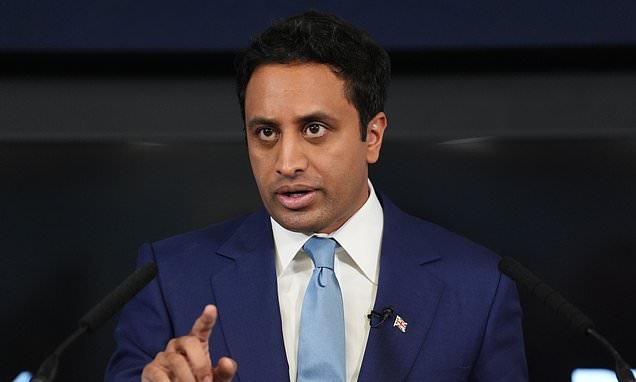
Reform UK has unveiled plans for a new military operation in the English Channel under which Royal Navy vessels would intercept migrant boats and tow them back to France. The initiative, named «Operation Fortress», is intended to combat small boat crossings and would represent what the party calls a major escalation in border enforcement.
Zia Yusuf, who announced the proposal, said the party would launch «the largest military operation in the English Channel since WW2». A Reform UK spokesman claimed the scheme would make Britain's border «impenetrable», ensuring that «nobody» could reach UK shores by small boat.
The proposal came as the political debate over Channel migration intensified following the arrival of tens of thousands of migrants in the Spanish territory of Ceuta. Prime Minister Andy Burnham, speaking during a visit to Dover, promised to be «relentless» in tackling small boat crossings. He said the UK needed to «bring back that control» and argued that safe routes for refugees were necessary to take on trafficking gangs. He added that he had been assured by Spain's Prime Minister, Pedro Sánchez, that approximately 98% of the estimated 50,000 people who entered Ceuta last week had been returned to Morocco.
The scale of the Ceuta influx has sharpened concerns across Europe about irregular migration and border control. The events in the North African enclave have also increased pressure on the UK Government to demonstrate that it can manage its own borders and reduce the number of people attempting the Channel crossing.
Under Reform UK's plan, the Navy would take on an active role in stopping crossing attempts rather than remaining on the sidelines. The party said vessels would physically tow intercepted boats back towards France, removing the prospect of migrants being brought to the UK and, it hopes, deterring future attempts. The objective, according to Reform UK, is to make the route unusable and bring the crossings to an end.
Reform UK's proposal would mark a much more direct military role in the Channel. The party argued that the Navy should not simply monitor the crossing route but should physically return intercepted boats to France. It said this would act as a deterrent, because migrants would know that any attempt would end in return rather than entry to the UK.
While Reform UK has focused on deterrence and the use of naval force, Burnham has stressed the need for safe routes and cooperation with European partners. Both responses reflect the political pressure generated by the Ceuta crisis and the continuing flow of small boats towards British shores.