
Ontario premier says Reagan would be «throwing up» over Trump trade policies
Ontario Premier Doug Ford has launched a sharp attack on President Donald Trump's trade policies, saying Ronald Reagan would be «throwing up» and threatening to cut electricity and critical mineral supplies to the United States if the trade dispute escalates.
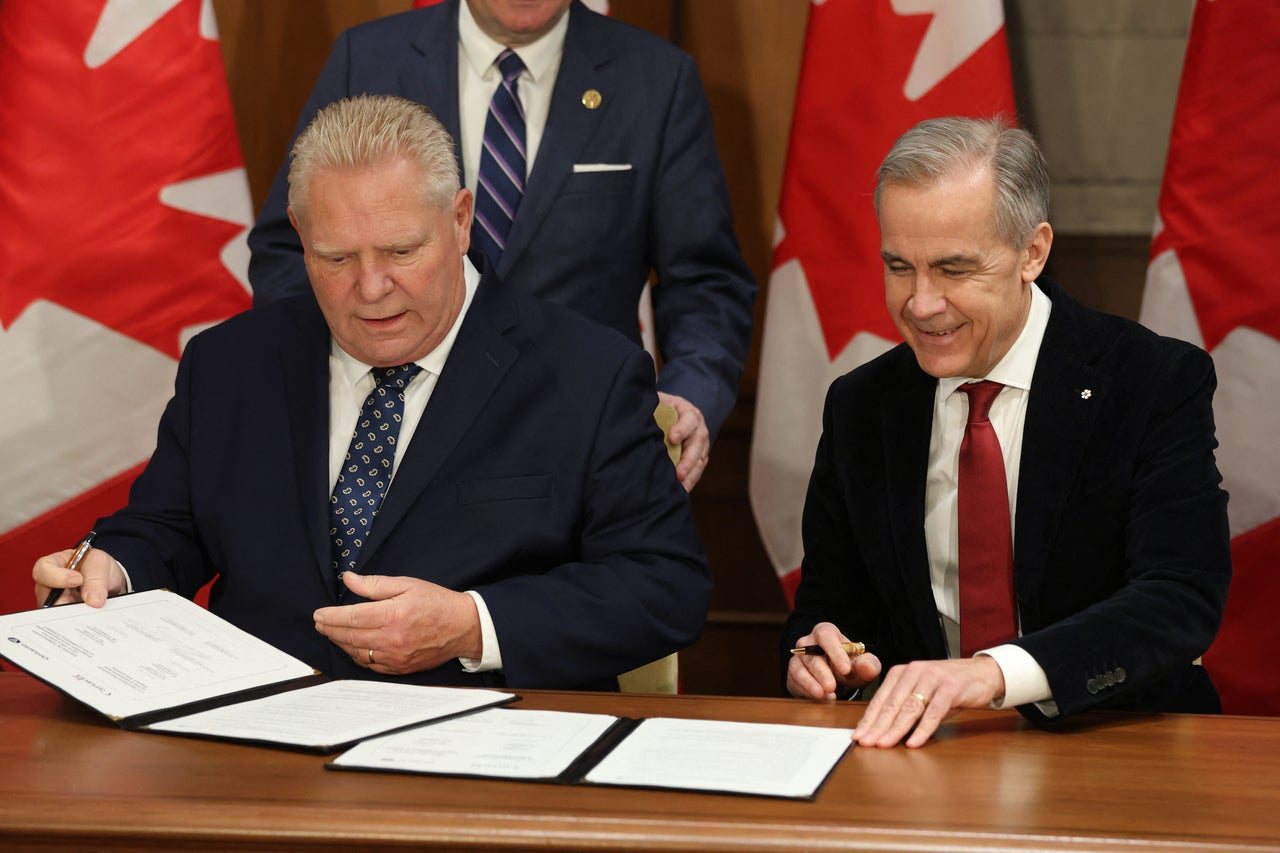
Ontario Premier Doug Ford has delivered a blistering critique of President Donald Trump's trade policies, declaring that Ronald Reagan would be «throwing up» at the current approach and warning that Canada is prepared to cut electricity and critical mineral exports to the United States if the dispute worsens.
Speaking on Monday, Ford invoked the legacy of the former Republican president, who championed free trade between the two neighbours, to condemn the tariffs and protectionist measures introduced by the current administration. The premier's remarks came as trade tensions between Ottawa and Washington continue to escalate, with both sides threatening retaliatory action.
Ford told The Associated Press that Ontario stands ready to respond forcefully if the trade fight intensifies. The province, Canada's most populous and its industrial heartland, is a major supplier of electricity to several US states and holds significant reserves of critical minerals used in technology and defence manufacturing. Cutting those supplies would deliver a direct economic shock to American industries that depend on Canadian inputs.
The premier's comments reflect growing frustration among Canadian political leaders over what they view as an unpredictable and hostile trade environment. Trump has imposed tariffs on Canadian goods, citing national security and trade imbalance concerns, drawing sharp rebukes from Ottawa and provincial capitals alike.
Ford's reference to Reagan is particularly pointed. The 40th US president negotiated the Canada-US Free Trade Agreement in 1988, a landmark deal that laid the groundwork for the North American Free Trade Agreement and decades of integrated cross-border commerce. Reagan's vision of open markets between the two countries stands in stark contrast, Ford argued, to the current administration's tariff-heavy approach.
The Ontario premier has previously warned that Canadian provinces would not hesitate to use their leverage in energy and mineral exports. Ontario's electricity grid is interconnected with several US states, including New York and Michigan, and any disruption would have immediate consequences for American consumers and businesses.
Critical minerals, including nickel, lithium, and cobalt, are essential for the production of electric vehicle batteries, electronics, and military equipment. The United States has been seeking to secure reliable supplies of these materials as part of its strategy to reduce dependence on China, making Canadian exports strategically important.
The trade dispute has already begun to affect businesses on both sides of the border. Canadian manufacturers face higher costs on exports to the US market, while American companies that rely on Canadian components and raw materials have warned of price increases and supply chain disruptions.
Ford's remarks add a new layer of political tension to the relationship between the two countries, which have historically maintained one of the world's largest and most stable trading partnerships. The premier's willingness to threaten energy and mineral cutoffs signals that Canadian provinces are prepared to use their economic leverage in response to US pressure.
The dispute shows no immediate signs of resolution, with both governments digging in on their positions. Canadian officials have said they remain open to negotiation but will not accept what they describe as unjustified tariffs. US officials, meanwhile, have defended the measures as necessary to protect American industry and national security.
For Ontario, the stakes are particularly high. The province's economy is deeply integrated with the US market, and its automotive, steel, and manufacturing sectors depend heavily on cross-border trade. A prolonged trade war would hit Ontario's economy hard, making Ford's combative stance a calculated gamble aimed at deterring further US action.
The premier's invocation of Reagan also carries symbolic weight in American political discourse. Reagan remains a revered figure among many Republicans, and suggesting that he would be appalled by the current trade policy is a deliberate attempt to frame the dispute as a departure from conservative orthodoxy on free trade.
As the trade fight continues, the economic and political consequences are likely to grow. Canadian provinces are coordinating their responses, and the federal government has signalled it will match US tariffs dollar for dollar. The coming weeks will determine whether the two countries can find a path back to negotiation or whether the dispute deepens into a full-scale trade war with significant costs on both sides.
49