
Judge rules against Trump in free speech case brought by Stanford newspaper over Israel coverage
A federal judge ruled against the Trump administration in a free speech case brought by The Stanford Daily, warning of a 'downward spiral' for the First Amendment after the administration threatened to revoke visas over pro-Palestine views.
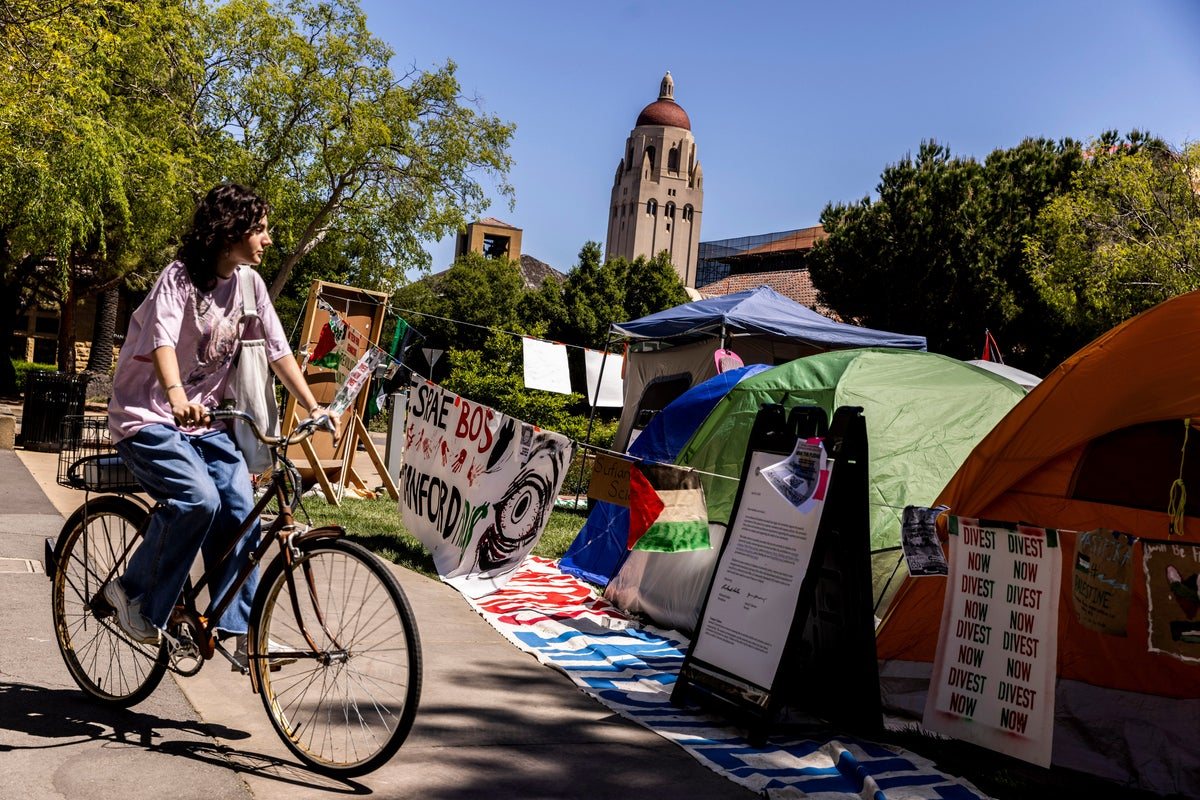
A federal judge has ruled against the Trump administration in a free speech case brought by The Stanford Daily, the independent student newspaper at Stanford University, warning of a dangerous 'downward spiral' for First Amendment protections. The ruling comes after the administration threatened to revoke the visas of international students over their pro-Palestine views, a move the court found to be a violation of constitutional rights.
The case centred on the administration's policy of using visa revocations as a tool to suppress speech critical of Israel. The Stanford Daily, which had been covering the issue, argued that the threat itself had a chilling effect on journalism and academic freedom. The judge's decision explicitly rejected the administration's position, stating that such actions could not be squared with the First Amendment's guarantee of free expression.
In his ruling, the judge warned that allowing the government to punish individuals for their political views through immigration enforcement would set a precedent that undermines the very foundations of American democracy. The 'downward spiral' referenced by the court points to a scenario where each successive restriction on speech normalises further encroachment, ultimately eroding the protections that journalists and citizens rely upon to hold power to account.
The case is part of a broader pattern of legal challenges to the administration's immigration and speech policies, which have drawn criticism from civil liberties groups and academic institutions. The Stanford Daily's lawsuit was notable for its direct engagement with the intersection of press freedom and immigration law, a legal area that has become increasingly contested in recent years.
Legal experts following the case note that the ruling could have implications beyond the immediate parties. By affirming that visa decisions cannot be used as a proxy for political censorship, the court has established a judicial check on executive power in a domain where the administration has claimed broad discretion. The decision may also provide a template for other student newspapers and advocacy groups facing similar threats.
The Trump administration has not yet indicated whether it will appeal the ruling. However, the judge's strong language suggests that any appeal would face significant legal hurdles. For now, the decision stands as a victory for press freedom and a reminder of the courts' role in safeguarding constitutional rights against executive overreach.
The Stanford Daily, which has a long history of investigative journalism, has framed the case as a defence of the principles that allow student journalists to report on controversial issues without fear of government retaliation. The newspaper's coverage of the Israel-Palestine conflict had drawn the administration's ire, but the court's ruling affirms that such coverage is precisely the kind of speech the First Amendment was designed to protect.
58