John Swinney vows to bring ‘radical change’ to Scotland’s public services
Scottish First Minister John Swinney has pledged to deliver ‘radical change’ to public services, making reform a central priority for the next five-year term at Holyrood.
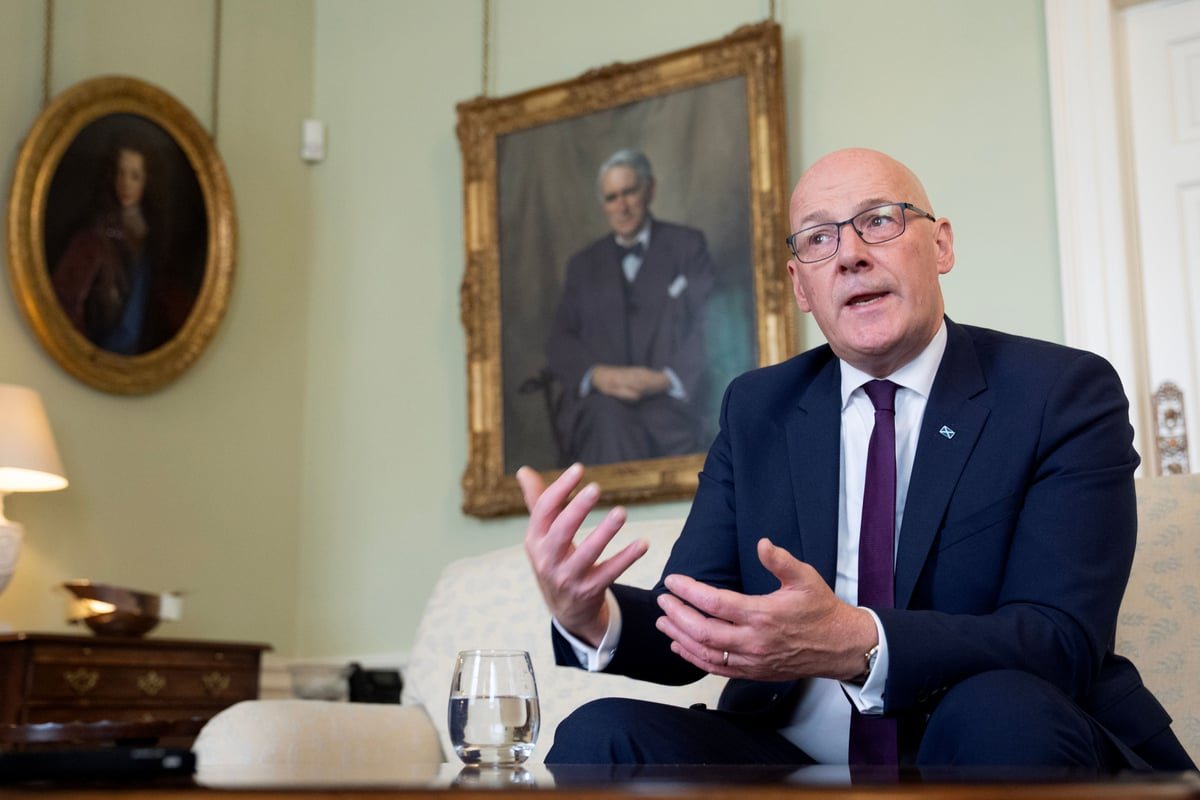
Scottish First Minister John Swinney has pledged to deliver ‘radical change’ to the country’s public services, placing reform at the centre of his government’s agenda for the next five-year term at Holyrood. The commitment signals an ambition to reshape how services are delivered across Scotland, with the First Minister framing the programme as a necessary response to long-standing pressures on public institutions.
Speaking about the plans, Swinney said public service reform would be a key part of the coming parliamentary session, indicating that the Scottish Government intends to move beyond incremental adjustments. The announcement comes as the administration faces mounting challenges around funding, demand for services, and the need to modernise structures that have remained largely unchanged for decades.
One of the most significant proposals under consideration is legislation that would allow council mergers, potentially reducing the number of local authorities in Scotland. The Scottish Government is examining enabling laws that would make it possible to create fewer, larger councils, a move that could redraw the map of local governance. Such a change would represent one of the most substantial reorganisations of Scottish local government in recent history, affecting everything from service delivery to democratic accountability.
The reform agenda has already drawn attention beyond the corridors of power. Swinney recently condemned protesters in Glasgow who he said had ‘threatened safety’ during demonstrations in the city last month. Around 1,700 people took part in those protests, which the First Minister criticised in strong terms. His remarks underline the sensitivity of public service changes and the wider political climate in which they are being introduced.
The push for reform reflects a broader debate across the United Kingdom about the efficiency and sustainability of public services. In Scotland, the SNP-led government has repeatedly argued that austerity and Westminster funding decisions have constrained its ability to maintain services, while critics contend that the administration has been slow to embrace structural change. Swinney’s latest commitment appears designed to address both concerns, presenting reform as both a necessity and an opportunity.
Details of the legislative timetable remain unclear, but the First Minister’s language suggests that enabling laws for council restructuring could be brought forward in the current session. Any such move would require careful negotiation, given the political sensitivities around local representation and the practical challenges of merging authorities with different budgets, staff, and geographic footprints.
For now, Swinney’s pledge sets the tone for what his government hopes will be a transformative period. Whether the promised ‘radical change’ materialises in legislation, funding decisions, or administrative practice will be tested over the coming months as the Scottish Parliament takes up the reform programme.
53