
Hungary Routes Its Post-Orbán Transition Through András Baka
Baka’s election links Budapest’s 2026 institutional reset to an earlier judicial conflict that reached Strasbourg. The question now is whether the new supermajority will build checks strong enough to constrain itself.
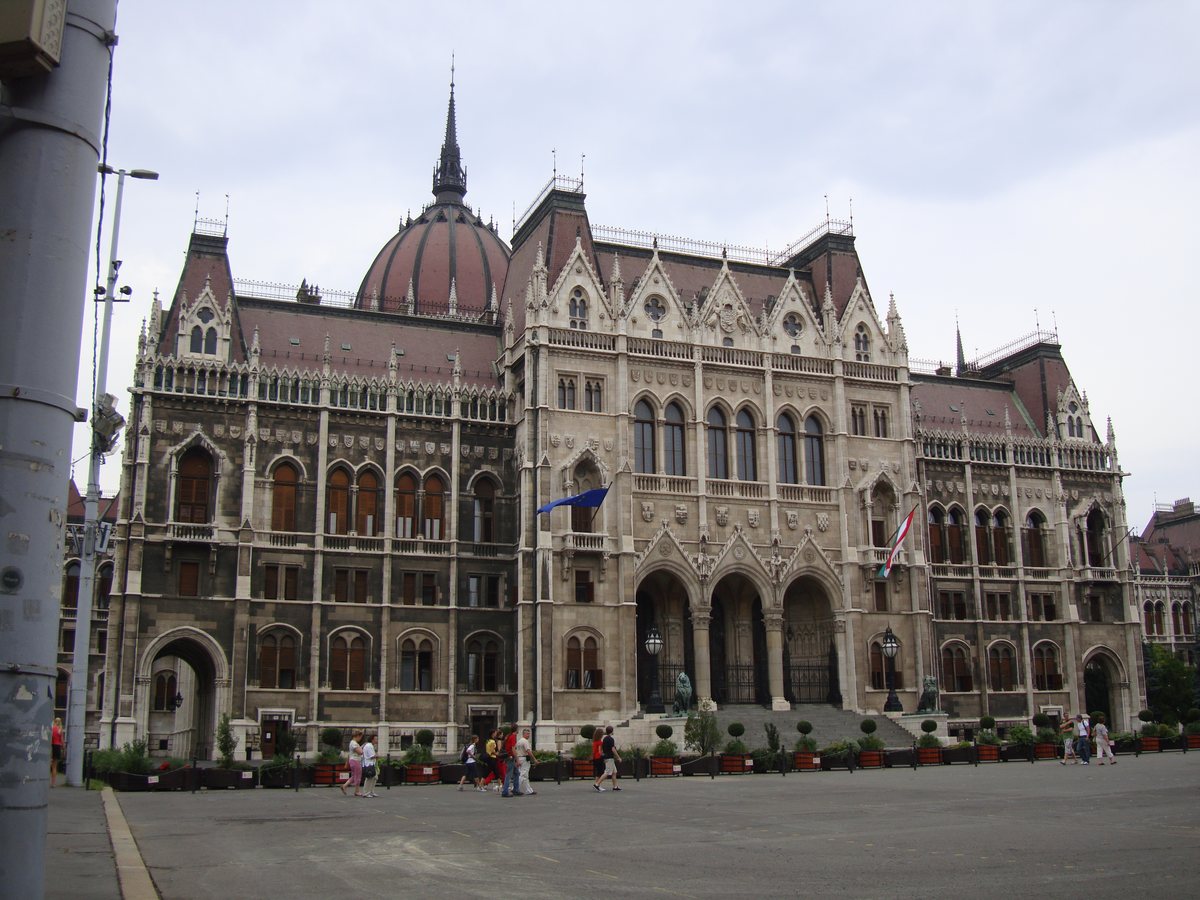
Hungary’s transition from the Orbán era has found a person who connects its past institutional conflict with its present reconstruction. Parliament elected András Baka president on Aug. 11, giving the former Supreme Court chief 140 of 146 ballots. He is expected to take office on Aug. 19.
Baka’s path to the presidency runs through two judicial systems. He spent many years at the European Court of Human Rights before returning to Hungary and becoming president of the Supreme Court in 2009. He then publicly criticised elements of Viktor Orbán’s judicial reforms, placing himself in direct tension with a government that possessed the parliamentary numbers to redesign major institutions.
The redesign ended his term early. The Supreme Court was transformed into the Kúria and new institutional rules changed the leadership structure. Baka challenged what had happened. In 2016, the Grand Chamber of the European Court of Human Rights found Convention violations in his case, making his removal part of the wider European record on Hungary’s rule-of-law disputes.
The route of political power has since reversed. Péter Magyar’s Tisza party won a constitutional two-thirds majority in the April election. Orbán’s 16 years as prime minister ended, and the new government began dismantling or replacing parts of the institutional network associated with Fidesz rule.
In July, President Tamás Sulyok left office after a constitutional process promoted by the new majority. Baka’s election therefore creates a narrative bridge: a judge who lost office during the construction of the old system becomes president during the construction of the new one. For Tisza, that reinforces a message of European legal normalisation and institutional repair.
Yet political systems are judged by routes of constraint as much as routes of power. Tisza now holds the same kind of supermajority that made rapid constitutional engineering possible in the previous era. Fidesz, now in opposition, boycotted the presidential vote and accuses the government of majoritarian abuse.
Hungary’s presidency is mainly ceremonial, but it is connected to the flow of legislation. Baka can therefore become a point at which political momentum meets constitutional review. If the new government rewrites courts, regulators or other institutions, the president’s willingness to question procedure may matter more than his alignment with Tisza’s goals.
Baka’s acceptance remarks pointed toward that role. He called for neutrality, rejected revenge and spoke of repairing divisions. He also described Hungary’s European identity as something rooted deeper than short-term political positioning. For a former Strasbourg judge, that is a statement about the institutional network Hungary sees itself belonging to.
The next stage begins on Aug. 19. The success of Baka’s presidency will not be measured by whether the post-Orbán state moves quickly. It will be measured by whether Hungary builds institutional routes that remain predictable and constrained when today’s winners eventually become tomorrow’s opposition.
53