Government expected to cut electric car sales target for carmakers
Ministers are reportedly preparing to lower the 2030 zero-emission vehicle sales target for the UK car industry, as manufacturers fall short and a final decision is due after a cross-departmental meeting.
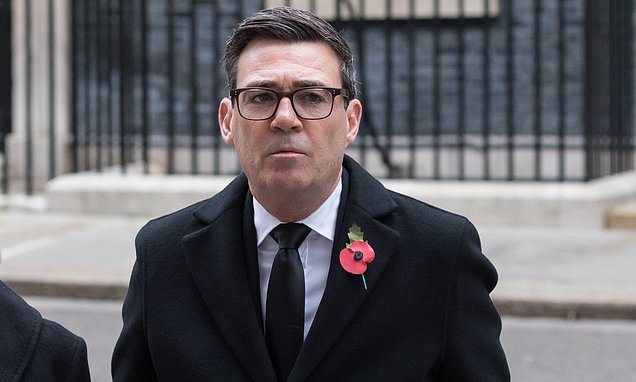
The UK government is expected to cut its electric vehicle sales target for the car industry, with the 2030 goal reportedly set to fall from 80% to 60% of new car sales. Louise Haigh is reportedly due to announce a revised zero-emission vehicle mandate, although Downing Street has said no decision has yet been made.
The current mandate requires the share of electric cars in new sales to rise steadily, with the sale of new petrol and diesel cars banned from 2035. Carmakers are at present falling behind that path. The Society of Motor Manufacturers and Traders forecasts that electric cars will make up 27.2% of new sales in 2026, against a target of 33%, and that the shortfall could widen to 14.5 percentage points by 2028. The SMMT's Mike Hawes has called for urgent reform of the policy, arguing that the industry needs a framework it can plan around.
Demand, however, is growing. More than 500,000 electric vehicles have been sold between January and November, a rise of 30% on the same period a year earlier. In October, electric cars accounted for close to one in three new sales, a development the trade body linked to rising fuel prices. The gap between sales momentum and the mandate is therefore less a sign of weak consumer interest than of a target set ahead of what manufacturers can supply.
According to the reporting, the options under discussion range from extending the flexibilities carmakers already have within the mandate to cutting the 2030 target to 50%. Car manufacturers would keep those flexibilities until 2034 under the proposals. A final plan is due after a meeting on Wednesday between the transport, energy and business departments, which together shape the policy from the perspectives of transport, energy supply and industrial competitiveness.
Ministers are reported to be divided. The business secretary is said to favour the steepest cut, the transport secretary is reportedly backing a 60% target, and the energy secretary is reported to want to keep the 80% figure. The prime minister has reportedly stepped back from the deliberations because of his spouse's role in an electric vehicle charging company, a position that has left the debate to be settled among the departments directly involved.
The mandate is expected to deliver about 14% of the carbon dioxide reductions originally targeted for the period from 2028 to 2032. Environmental groups are likely to see any loosening of the target as a weakening of the government's decarbonisation policy, while the car industry has argued that the current trajectory is unrealistic. The outcome will shape investment decisions across the sector as manufacturers plan their product lines for the next decade, and it will be watched closely as the government weighs competitiveness against its climate commitments.
Source: theguardian.com
6