
Farage had deal in place to return as Reform leader months before election, report claims
Reports claim Nigel Farage reached a deal to return as Reform UK leader months before the 2024 general election, despite earlier denials. Labour has accused the party of operating under a «stench of sleaze».
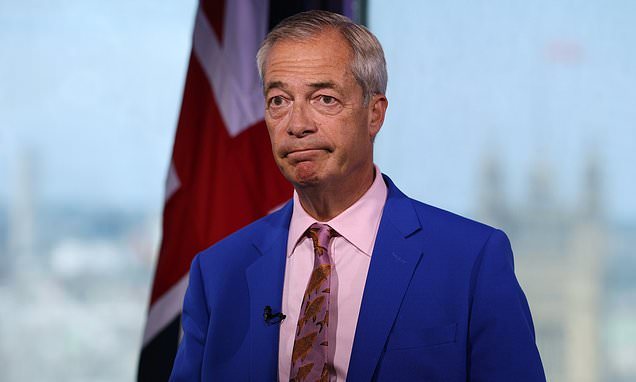
Nigel Farage reportedly had a deal in place to return as leader of Reform UK months before the 2024 general election, despite having said at the time that he had no intention of returning to politics.
According to The Sunday Times, Mr Farage took part in discussions about resuming control of the party as early as March 2024. That timeline contradicts his later public position that he had ruled out a comeback until June, when he announced his candidacy in the Essex constituency of Clacton. The newspaper said the deal meant his return was effectively settled well before voters went to the polls.
Labour immediately seized on the reports, with the party's chair saying Reform was operating under a «stench of sleaze». The Labour chair accused the party of making «grubby pacts» and said the contradictory accounts raised questions about the transparency of the leadership arrangement. Voters, she argued, had been given a misleading impression of how Mr Farage's return came about.
Further reports suggested the arrangement involved a payment of about £1 million. The exact terms of any financial agreement have not been confirmed, and no detailed public response to the allegations has yet been reported.
The controversy centres on the circumstances of Mr Farage's return during the recent election campaign. He had said he was not planning to return to the political frontline, but the reported discussions in March point to a carefully prepared comeback. The discrepancy between those two versions of events is at the heart of Labour's complaint.
Labour's criticism focuses on the apparent gap between the public presentation of Mr Farage's return and what was allegedly happening behind the scenes. The party chair said the contradictory accounts had left voters unsure about how the leadership arrangement was agreed. She accused Reform of making private deals while offering a different story in public.
The reports have also raised questions about the internal history of Reform's leadership. The new disclosures suggest the decision to return was taken far earlier than has been publicly acknowledged. The exact nature of the discussions, and who was involved, remains unclear.
Opposition parties are likely to keep pressing for answers in the coming days. The affair could follow Reform as it seeks to expand its electoral base, and the questions raised by Labour look set to become a recurring feature of political debate. For now, the full details of the reported arrangement remain unexplained.
The story also highlights the sensitivity surrounding leadership changes in British politics. When a senior figure returns to frontline politics after insisting they will not do so, the circumstances of that reversal are inevitably scrutinised. The reports about Mr Farage's comeback are likely to keep that scrutiny alive for some time.