
Farage discussed «liabilities» of returning to politics with Tice
Nigel Farage has said he talked to Richard Tice in spring 2024 about the possible political downsides of returning to lead Reform UK, before he eventually took back the party leadership.
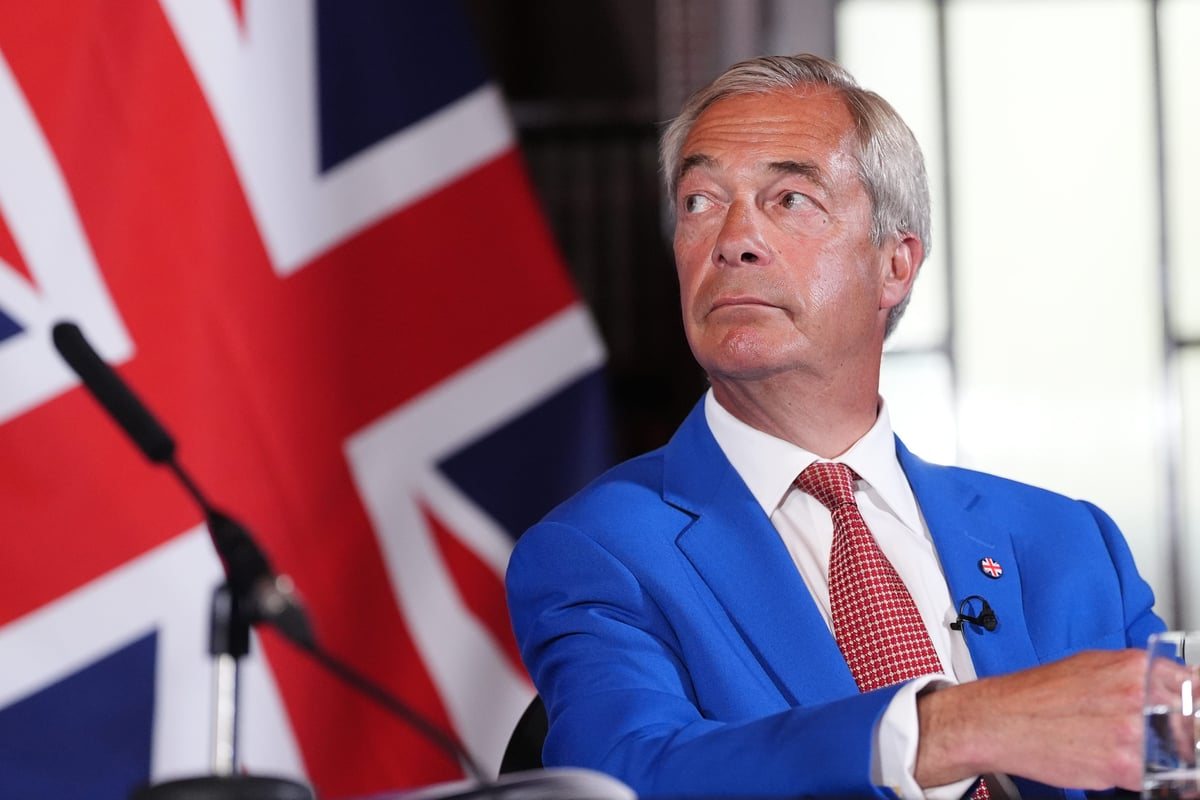
Nigel Farage has revealed that he discussed the political «liabilities» of returning to frontline politics with Richard Tice in spring 2024, before he eventually resumed leadership of Reform UK.
Mr Farage said he spoke to Mr Tice, who was then leader of Reform UK, about what would happen if he returned to lead the party. The specific concerns raised in the conversation have not been set out, but Mr Farage's account offers a rare insight into the private deliberations that surrounded his political comeback.
At the time, Mr Tice was at the head of Reform UK, the party that grew out of the Brexit movement. The spring of 2024 was a period of intense speculation about Mr Farage's next move, with many in Westminster asking whether he would return to the election campaign. The disclosure that he and Mr Tice discussed the potential downsides of such a return suggests the question was being actively considered inside the party well before any public announcement.
Mr Farage went on to resume the leadership of Reform UK and stood as a candidate in Clacton at the 2024 general election. He was elected to Parliament, and Reform UK secured representation in the House of Commons for the first time. The result established the party as a significant force in British politics and reshaped the right of the political spectrum.
The word «liabilities» is significant because it indicates that Mr Farage weighed the risks as well as the opportunities of a return. Political comebacks can carry reputational costs, and a high-profile figure such as Mr Farage would have been aware of the scrutiny involved. The conversation with Mr Tice suggests that the decision was not impulsive, but the product of careful thought about the consequences for both the individual and the party.
Since returning, Mr Farage has remained the dominant figure in Reform UK, giving the party a visible national profile. The account of the spring 2024 conversation adds to the public record of a pivotal period in recent British politics, when the party moved from the margins to a central position on the right. It also illustrates the kind of calculations that party leaders face when considering whether to rejoin the front line of national politics.
The timing of the discussion is important too. A general election was due within months, and Reform UK was seeking to broaden its appeal in a crowded political environment. Mr Farage's decision to take charge gave the party a leader with a much higher public profile, and it went on to win seats in Parliament. The precise nature of the «liabilities» he mentioned remains unclear, but the disclosure confirms that the prospect of his return was already a live question in party circles during that period.