
Douglas Alexander says he warned Ed Miliband against Russell Brand interview
Scottish Secretary Douglas Alexander says he urged Ed Miliband not to be interviewed by Russell Brand during the 2015 election campaign, but his advice was ignored.
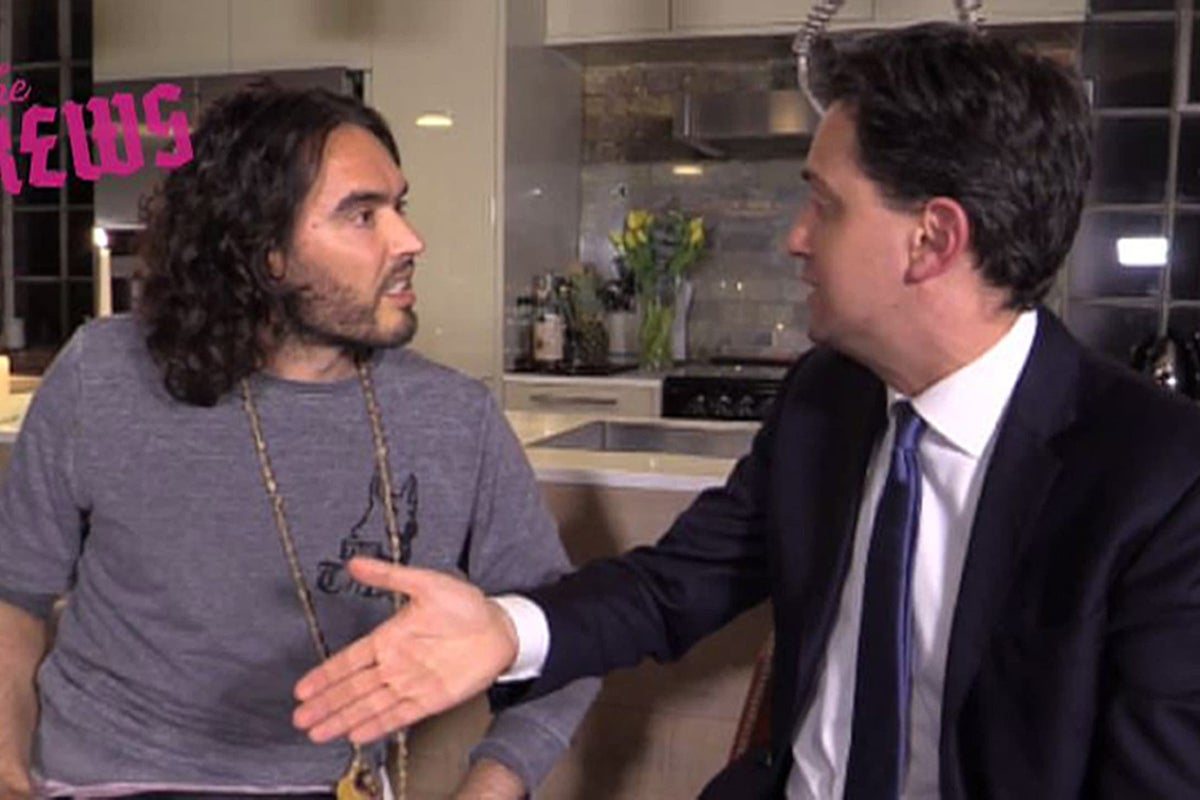
Scottish Secretary Douglas Alexander has revealed that he advised Ed Miliband not to take part in an interview with the comedian Russell Brand during the 2015 general election campaign. Alexander, who was a senior figure in Labour at the time, described Brand as unsavoury and said he made his concerns known to the then Labour leader. According to Alexander, the warning was ignored, a disclosure that points to a rift inside the party over how its leader should engage with high-profile media figures.
The episode drew attention because it touched on one of the most closely watched strategic questions of the campaign: how Labour should reach younger and disengaged voters without damaging its wider credibility. Brand, a figure with a large online following and a critical stance towards mainstream politics, had become a notable presence in political debate in the years before the election. Miliband's decision to sit down with him was seen by some inside the party as a bold attempt to connect with an audience that traditional media rarely reached, while others regarded it as a risky move that could invite criticism.
Alexander's account is significant because it comes from a member of the same leadership team. His statement suggests that internal reservations about the interview were raised before it went ahead, and that they were not acted upon. It also highlights a broader tension that has run through Labour's approach to campaigning, between efforts to broaden its appeal through unconventional platforms and a desire to maintain a conventional, disciplined image. Such debates over media strategy are common in election periods, but rarely become public in such direct terms.
The disclosure is likely to renew discussion of the 2015 campaign and of the judgement calls made by Miliband's team during it. Labour was defeated at that election, and reviews of the result have often focused on messaging, leadership perception and outreach. Alexander's remarks add a specific example to that debate, showing that at least one senior colleague considered the interview a mistake before it took place. Whether the revelation changes how the decision is viewed will depend on how the wider party and commentators interpret the episode in the context of the campaign as a whole.
Source: independent.co.uk
18