
Bank of England governor says inflation peak could be lower if energy prices hold
Andrew Bailey told MPs that the Bank of England's 5% inflation forecast may prove too pessimistic if oil prices remain at recent levels.
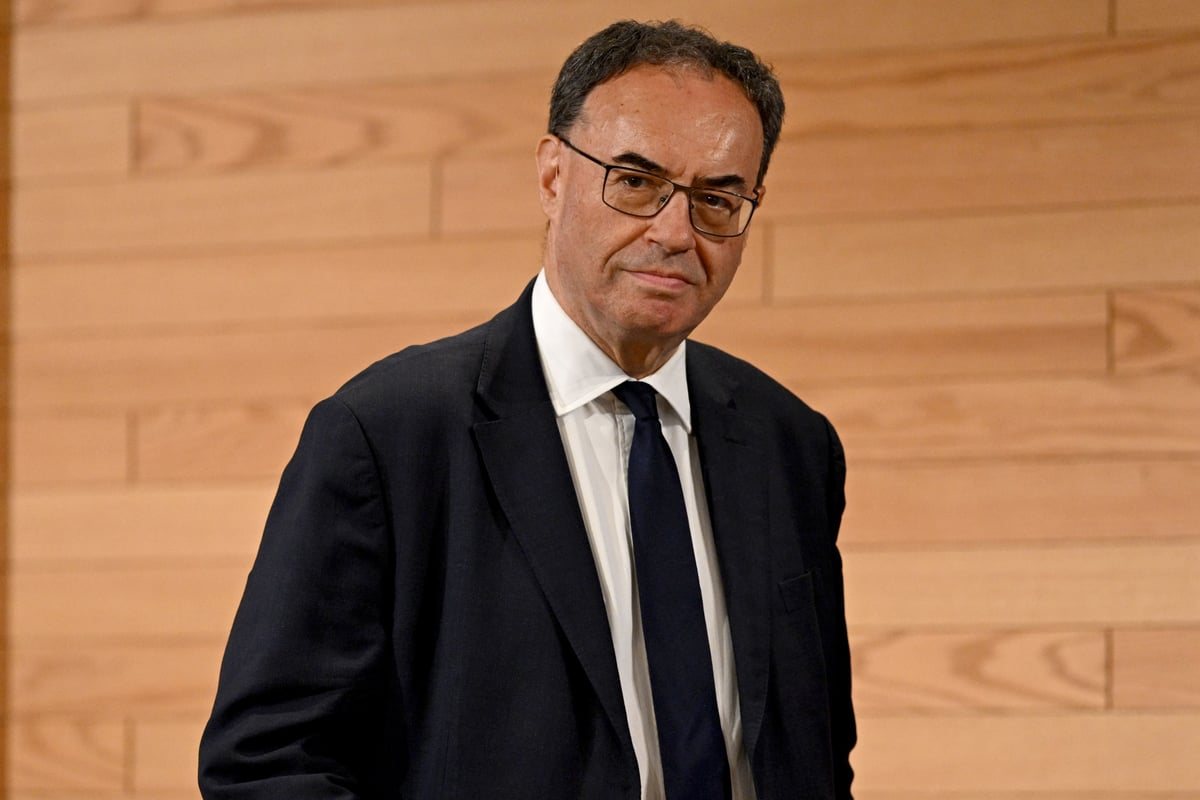
Bank of England governor Andrew Bailey has told MPs that the central bank's forecast of inflation peaking at 5% could turn out to be overly pessimistic if oil prices stay at the levels seen in recent weeks. His remarks point to energy costs as the key variable shaping the outlook for British prices over the coming months.
Bailey's comments suggest that the peak in consumer price inflation would be lower than the Bank's current projection if energy markets do not climb further. Energy bills and fuel costs feed quickly into household budgets and business expenses, so movements in oil and gas prices have an outsized effect on the headline inflation rate. The Bank's 5% figure rests on assumptions about energy that Bailey indicated may be too gloomy if prices hold steady.
The governor's testimony before MPs underlines the difficulty facing policymakers. The Bank must weigh the risk of persistent price pressures against the danger of slowing an economy already under strain. Any decision on interest rates will depend on whether the energy shock fades or spreads into wages and services, a distinction Bailey signalled the Bank is watching closely.
The energy outlook is also tied to events beyond Britain's borders. Oil prices have been sensitive to developments in the Middle East, and any renewed disruption to supply routes would be likely to push costs back up, reversing the easing that Bailey's comments imply. For that reason, the Bank treats wholesale energy prices as a moving target rather than a settled input into its forecasts.
For households, the message is that relief from high inflation depends heavily on wholesale energy markets rather than on monetary policy alone. Lower oil prices would ease pressure on petrol and heating costs, while the Bank continues to track underlying price trends in the wider economy. Bailey stopped short of a firm prediction, leaving the timing and scale of any easing dependent on how energy markets develop over the coming months.
Source: standard.co.uk
11