
Burnham to push for stronger public control of services in first Commons appearance as PM
Andy Burnham will use his first appearance at the despatch box in 16 years to argue for stronger public control over many of the country's services, marking a significant test in his new role as Prime Minister.
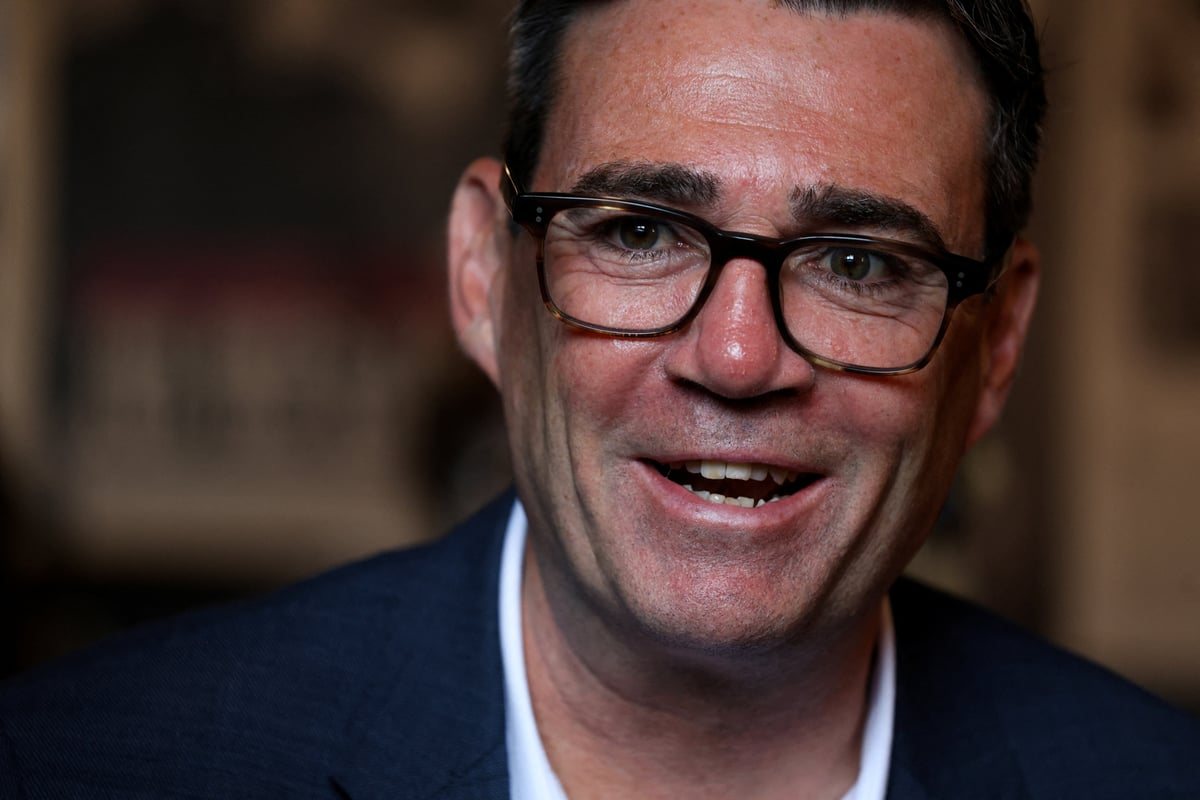
Andy Burnham is set to use his first appearance at the despatch box in 16 years to argue for stronger public control over many of the country's services. The move marks a significant early test for the Prime Minister, who will use the Commons platform to press his case for a more interventionist approach to public service delivery.
Burnham's return to the frontbench comes after a long absence from the parliamentary arena, and his choice of subject signals a clear policy direction for his administration. By focusing on public control of services, he is expected to challenge the prevailing model of outsourcing and privatisation that has shaped British public services over recent decades.
The Prime Minister's argument is likely to resonate with those who have long campaigned for a greater role for the state in areas such as healthcare, transport, and utilities. His stance suggests a shift towards a more centralised and publicly accountable framework, a theme that has gained traction in political discourse amid concerns over service quality and accountability.
This first Commons test comes at a critical juncture for Burnham, who must balance his policy ambitions with the practical realities of governing. His performance at the despatch box will be closely watched by both supporters and critics, as it will set the tone for his premiership and his ability to navigate the complexities of parliamentary politics.
The debate over public control is not new, but Burnham's emphasis on it as a defining issue of his leadership indicates a willingness to confront entrenched interests. It also reflects a broader trend within the governing party, where there is growing appetite for revisiting the boundaries between state and market.
Observers note that Burnham's approach could have far-reaching implications for how services are commissioned and delivered across the country. If his arguments gain traction, they could pave the way for legislative changes that would give public bodies greater powers to bring services back in-house or to establish new public delivery vehicles.
The Prime Minister's stance is likely to provoke debate across the political spectrum, with opponents warning of the risks of expanding state control. However, Burnham appears undeterred, framing his position as a necessary corrective to years of underinvestment and fragmented service provision.
As he prepares to make his case, the focus will be on whether he can translate his vision into concrete policy outcomes. The coming weeks will reveal how much political capital he is willing to invest in this agenda and whether he can secure the backing needed to enact meaningful change.
59