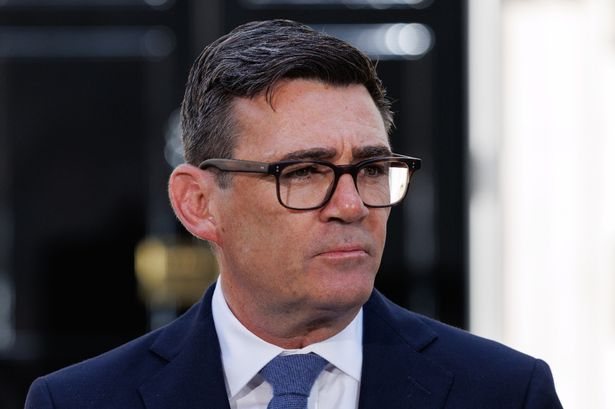
Prime Minister Andy Burnham has pledged to resolve the long-running crisis in adult social care, announcing cross-party talks as he delivers a major speech on the issue. In what his office described as a shift towards «problem-solving, not point-scoring», Burnham has invited the leaders of the two largest opposition parties to discuss urgent reforms to the creaking sector.
The Prime Minister invited Conservative leader Kemi Badenoch and Liberal Democrat leader Ed Davey to take part in the discussions. Reform UK leader Nigel Farage was not included. Davey confirmed he would attend via video call, while the Conservatives said they would send shadow health secretary Stuart Andrew in Badenoch's place, as she was undergoing pre-planned minor surgery. The move marks an attempt to find common ground across party lines on an issue that successive governments have failed to tackle for decades.
Speaking this morning, Burnham said that social care reform is one of the most intractable problems in British politics and that his government would put «everything» into fixing it. He acknowledged that previous administrations had repeatedly promised reform but delivered little, leaving the sector underfunded and struggling to meet demand. The Prime Minister emphasised the need for a sustainable funding model that ensures dignity for the elderly and disabled, while also supporting the workforce that provides care.
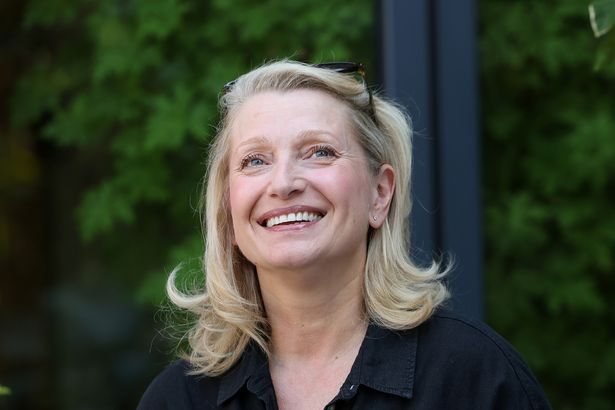
The speech comes alongside a review led by Baroness Louise Casey, who is examining the state of the care sector. Burnham visited a care home with Casey earlier this week, signalling his commitment to reform. The review is expected to inform the government's long-term strategy and may propose options such as a cap on care costs or a new social care levy, though no specific proposals have been confirmed yet.
Reform UK has criticised the plan, warning that it could amount to a «death tax» that would cost some constituents up to £50,000 each. The party argued that hard-working families should not bear the burden of funding care through their inheritance. Burnham's team dismissed the criticism as scaremongering, stating that any reforms would be designed to be fair and sustainable. The government has not set a timeline for legislation but hopes the cross-party approach will build enough consensus to withstand political changes.
Social care in England has faced chronic underfunding for years, with local authorities struggling to meet rising demand as the population ages. The Covid-19 pandemic exposed the fragility of the system, with care homes hit especially hard. Many providers have warned that without significant investment and structural reform, the quality of care will continue to deteriorate. Burnham's push for cross-party talks represents the most serious attempt in years to address the issue, though previous efforts under Conservative governments also failed to produce lasting change.
The Liberal Democrats welcomed the move, with Davey saying that social care should be «above party politics». The party has long advocated for a cross-party commission to find a lasting solution. The Conservatives, while sending a representative, have cautioned that any reform must avoid imposing excessive costs on taxpayers. The government is expected to publish a white paper on social care later this year, following the Casey review and the outcomes of the cross-party discussions.
Observers note that Burnham, a former health secretary under Gordon Brown, has a long-standing interest in social care. His personal commitment to the issue may increase the chances of progress, but the scale of the challenge remains immense. With an ageing population and rising costs, the need for a durable solution has never been more urgent.