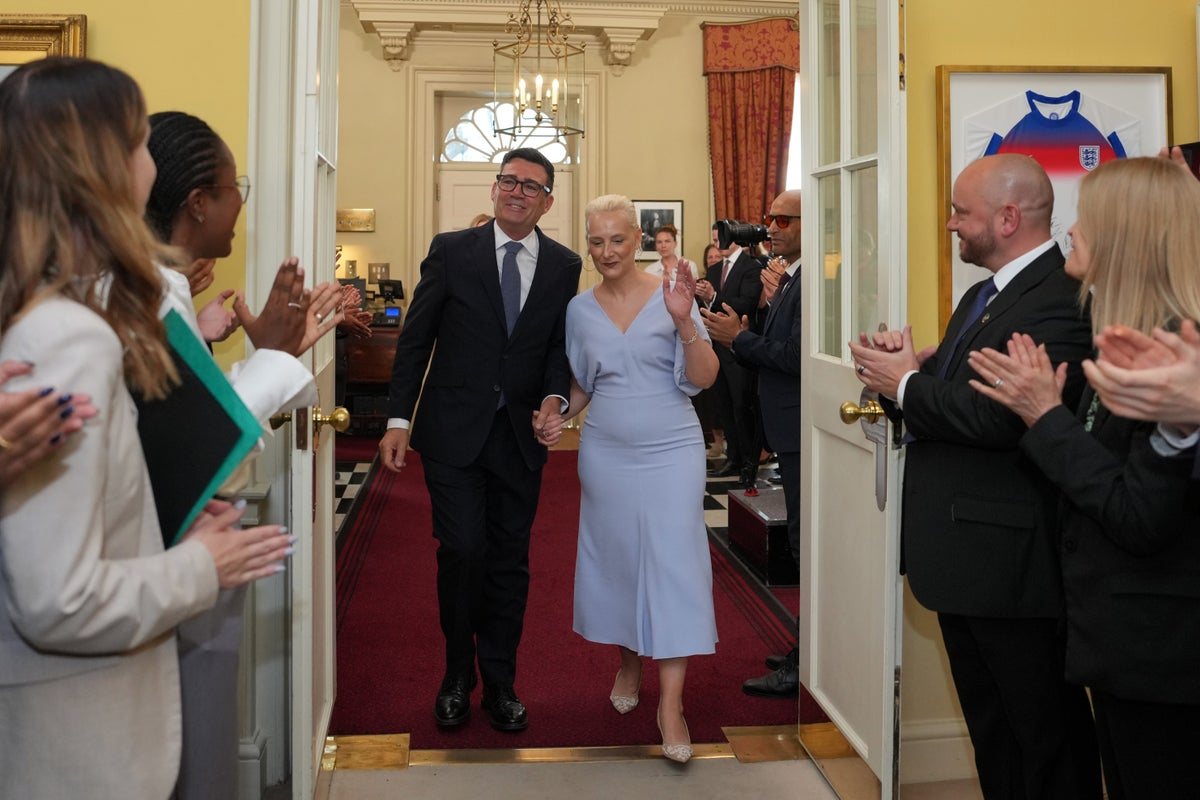
New Prime Minister Andy Burnham has signalled a dramatic shift in economic policy by appointing John Healey as chancellor and removing Rachel Reeves from the Treasury in a sweeping cabinet reshuffle on his first full day in office. Speaking outside Number 10 Downing Street, Burnham acknowledged that the public was "fed up" with politics and promised that his government would "do better" to deliver tangible change for communities across the country.
The reshuffle, which has been described as one of the most extensive in recent British political history, saw several Greater Manchester MPs elevated to key ministerial positions, reflecting Burnham's regional power base. The new prime minister, who succeeded Sir Keir Starmer after a leadership contest, used his inaugural address to strike a conciliatory yet determined tone, vowing to "bring back hope" to a nation weary of political instability and economic stagnation.
In a move that surprised many Westminster observers, Burnham handed the chancellorship to John Healey, a seasoned Labour figure who has previously held defence and housing briefs. Healey is expected to pursue a more interventionist economic agenda, with early indications suggesting a focus on infrastructure investment, regional regeneration, and a departure from the fiscal orthodoxy that characterised the previous administration. Rachel Reeves, who had served as chancellor under Starmer, was dismissed from the Treasury as part of the reshuffle, though she is expected to remain on the backbenches.
Angela Rayner, who had been a prominent figure in the Starmer government, has been brought back into the cabinet in a senior role, underscoring Burnham's desire to unite the party's various factions. Rayner's return is seen as a strategic move to shore up support among Labour's traditional working-class base, particularly in northern constituencies where the party has faced challenges from Reform UK and the Conservatives.
Burnham's address from the steps of Number 10 struck a notably different tone from his predecessor, with the new prime minister explicitly linking his policy agenda to repairing what he described as "the long-term damage caused to communities during the Thatcher era." This framing signals a more assertive approach to regional inequality and public service reform, with Burnham promising to prioritise housing, healthcare, and transport infrastructure in neglected areas.
The reshuffle has been met with a mixed response from political commentators. Some have praised Burnham for assembling a cabinet that reflects the geographical and ideological diversity of the Labour Party, while others have expressed concern about the scale of the changes and the potential for instability in the early days of his premiership. The sacking of Reeves, in particular, has been interpreted as a clear break with the previous government's economic strategy, which had been criticised by some on the left as too cautious.
Among the notable appointments are several MPs from Greater Manchester, a region that Burnham represented as mayor before entering Downing Street. These appointments are expected to strengthen the government's focus on devolution and localism, with Burnham having long advocated for greater powers and funding for regional authorities. The new cabinet is also expected to include a number of figures from the environmental and social justice wings of the party, reflecting Burnham's campaign promises on climate action and inequality.
In his speech, Burnham acknowledged the scale of the challenge ahead, noting that the government must "do better" to restore public trust in politics. He emphasised that his administration would take a "prudent approach to the economy" while still pursuing ambitious reforms, a balancing act that will be closely watched by financial markets and international investors. The new prime minister also hinted at forthcoming legislation on workers' rights, housing, and the green transition, though detailed policy announcements are expected in the coming weeks.
The transition of power from Starmer to Burnham marks a significant moment for the Labour Party, which has struggled to maintain a consistent message since its landslide victory in the last general election. Burnham's leadership is seen by many as an attempt to recapture the optimism and transformative energy that characterised Labour's platform during the Corbyn era, while avoiding the electoral pitfalls that ultimately led to Starmer's downfall. Whether Burnham can deliver on his promises of hope and renewal will depend on his ability to navigate a complex political landscape, manage internal party dynamics, and address the pressing economic and social challenges facing the United Kingdom.