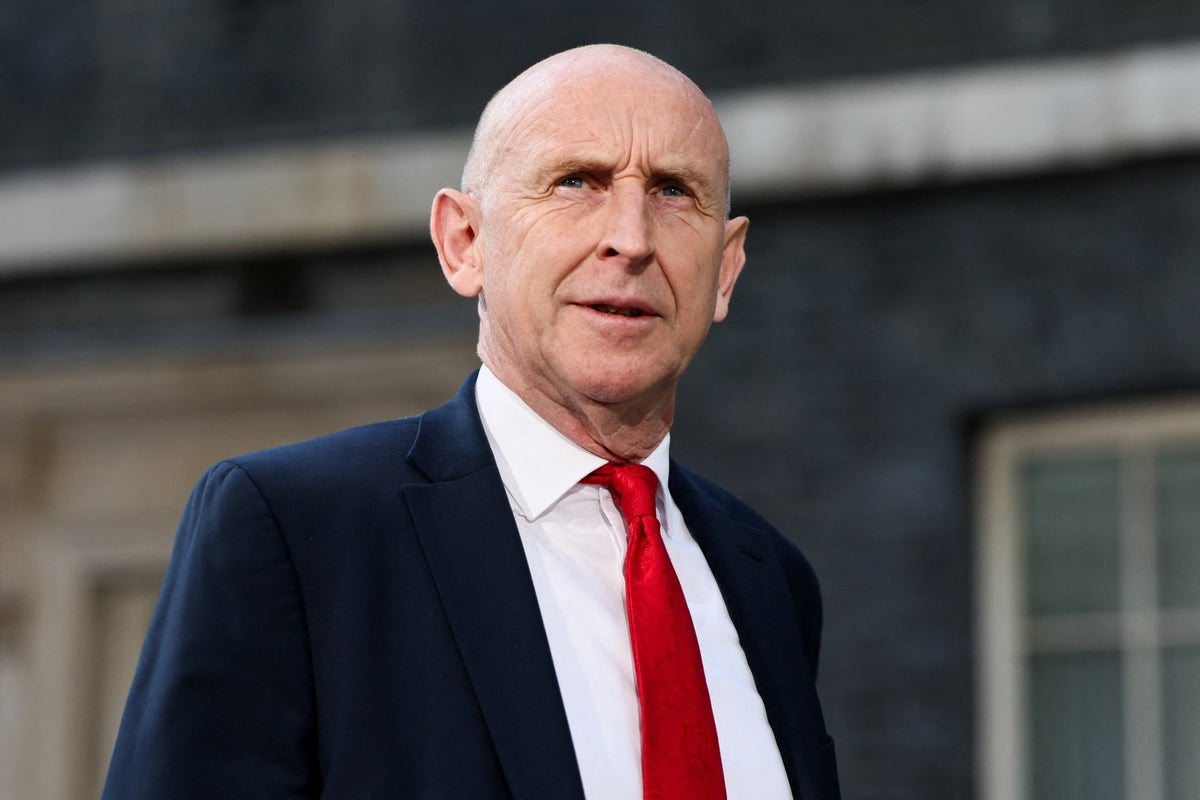
New Prime Minister Andy Burnham has made his first major cabinet appointment, naming John Healey as Chancellor of the Exchequer in a move that signals a sweeping overhaul of the government. The decision, announced shortly after Burnham entered Downing Street, bypasses both the right and left wings of the Labour Party in favour of a compromise figure seen as a loyalist during Burnham's rise to power.
Healey, a veteran Labour politician and former shadow defence secretary, takes over the Treasury from Rachel Reeves, who served under Keir Starmer. The appointment is widely interpreted as a reward for Healey's steadfast support during Burnham's internal campaign to take control of the party. It also marks a clear break from the Starmer era, with Burnham promising a more inclusive administration drawn from all wings of the party, though critics note that many Starmer allies have been removed from their posts.
The reshuffle extends beyond the Treasury. David Lammy, who served as deputy prime minister under Starmer, has been replaced, while Ed Miliband has been offered the role of Foreign Secretary in what some observers describe as a consolation prize. Miliband, a former Labour leader and a figure on the party's left, had been widely expected to take a senior economic role but was passed over for Healey. Angela Rayner, a key Burnham ally, has also entered Downing Street as part of the new team, though her exact portfolio has yet to be confirmed.
Burnham's cabinet appointments reflect his stated goal of acting as a «circuit breaker» for British politics, a theme he emphasised in his first speech as prime minister. He has promised to govern differently from his predecessor, focusing on regional equality, public service reform, and a break from what he called the «Westminster bubble». The new cabinet is expected to include a mix of experienced hands and fresh faces, with an emphasis on loyalty to Burnham's vision rather than factional alignment.
The decision to appoint Healey as chancellor has surprised many political analysts, who had expected either a figure from the right of the party, such as Reeves, or a left-wing candidate like Miliband. Healey, known for his steady hand and defence expertise, is seen as a safe pair of hands for the Treasury at a time of economic uncertainty. His appointment may also signal a shift in economic policy, though Burnham has not yet outlined specific fiscal plans. The new prime minister has indicated that his government will prioritise investment in public services and infrastructure, but details remain scarce.
The broader cabinet reshuffle has seen a brutal clearout of Starmer loyalists, with several high-profile figures losing their jobs. Among those departing are deputy prime minister David Lammy and chancellor Rachel Reeves, both of whom were closely associated with the previous administration. Burnham has defended the changes as necessary to build a government that reflects his mandate for change, but the moves have drawn criticism from some within the party who accuse him of purging rivals.
Despite the controversy, Burnham's early actions have been met with cautious optimism by some commentators, who see the appointments as an attempt to balance competing factions within Labour. The new prime minister has pledged to heal divisions and focus on the issues that matter to voters, including the cost of living, the National Health Service, and housing. Whether his cabinet can deliver on these promises remains to be seen, but the initial signal is one of decisive change.
As the new government takes shape, attention will turn to the remaining cabinet positions, including the Home Office, the Ministry of Defence, and the Department for Health. Burnham has promised to announce further appointments in the coming days, with an emphasis on regional representation and diversity. The full shape of his government will become clearer as the week progresses, but the appointment of John Healey as chancellor has already set the tone for a premiership that aims to be anything but business as usual.