
Abdul El-Sayed wins Michigan Senate primary in boost for progressive Democrats
Abdul El-Sayed has won Michigan's Democratic Senate primary, defeating Representative Haley Stevens. Analysts say his campaign offers Democrats a template for countering Donald Trump's political movement.
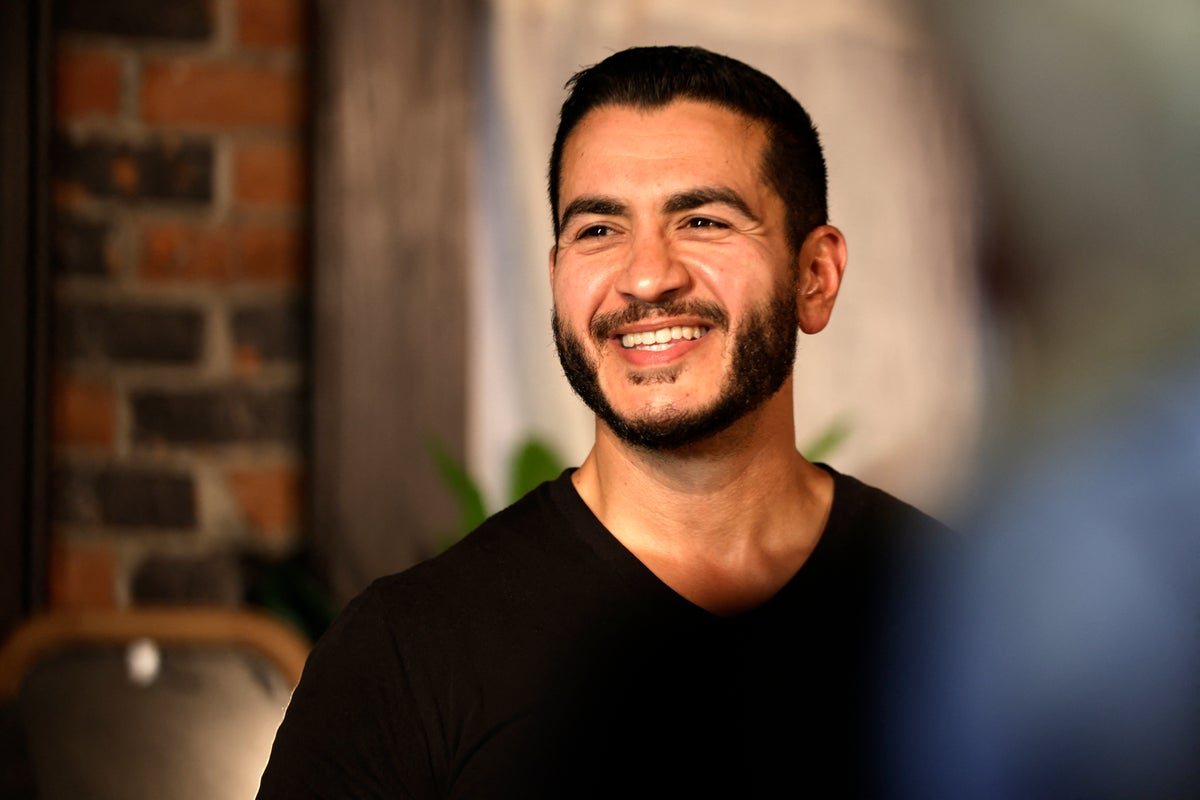
Abdul El-Sayed has won Michigan's Democratic Senate primary, defeating Representative Haley Stevens in a result that hands the progressive wing of the party another victory and gives Democrats a potential blueprint for confronting Donald Trump's political movement.
With votes still being counted, El-Sayed held a narrow lead over Stevens after Tuesday's primaries. His victory was driven by frustration among Democratic voters and came on a night when progressive candidates claimed several successes, although not on the scale some of their supporters had hoped for.
The result marks the latest in a string of progressive primary victories and reinforces the left's growing influence within the Democratic Party. It also hands progressives a high-profile standard-bearer in one of the most politically important states in the country, with Michigan expected to play a central role in November's battle for control of Congress. The outcome is likely to sharpen the party's internal debate over strategy as it heads into the autumn campaign.
Writing in The Guardian, the political analyst Peter Beinart argued that El-Sayed has crafted a form of « progressive nationalism » and shown his party how to turn Republican financial advantages against them. The candidate's approach, Beinart suggested, offers a direct answer to the political challenge posed by Donald Trump.
Beinart drew a comparison with the 1991 special election in Pennsylvania, when Harris Wofford, a little-known state official advised by the strategist James Carville, upset a far better-known Republican opponent by promising to expand access to healthcare. That campaign became the template for Bill Clinton's successful presidential run the following year.
« Every now and then, a Senate race sets the direction for an entire party », Beinart observed. Wofford's campaign did so in 1991, he argued, and El-Sayed's victory suggests that Michigan could now play a similar role for a Democratic Party still searching for a coherent response to Trumpism.
If El-Sayed can follow up his primary win by taking the general election in Michigan this autumn, Beinart argued, he will have created a template of his own. Despite the closer-than-expected margin of victory, his campaign offers a model for how Democrats across the country can answer the political challenge posed by Trump.
El-Sayed now faces a Republican opponent in November in a state that will be central to the fight for the Senate. His campaign, according to Beinart, has combined a progressive nationalism with a strategy designed to turn Republicans' financial advantage against them, a combination that could offer Democrats a national model. The seat is among those that could help determine which party controls the chamber.
Tuesday's results underscored both the strength and the limits of the progressive movement within the Democratic Party. El-Sayed's narrower-than-expected margin suggested that the left's momentum, while real, is not overwhelming. Even so, progressive groups claimed the night as a victory, pointing to his success as evidence that their message resonates with voters frustrated with the political status quo.
Whether El-Sayed can replicate Wofford's trajectory remains to be seen. Michigan's general election will test whether the coalition that delivered him the nomination can be expanded to defeat a Republican opponent in one of the most closely watched states in the country.