
Thousands evacuated in France's worst wildfire crisis since Second World War
French President Emmanuel Macron says the country is facing its most severe wildfire situation since the Second World War, as nearly 4,000 people are evacuated from tourist sites near Bordeaux amid a fresh heatwave.
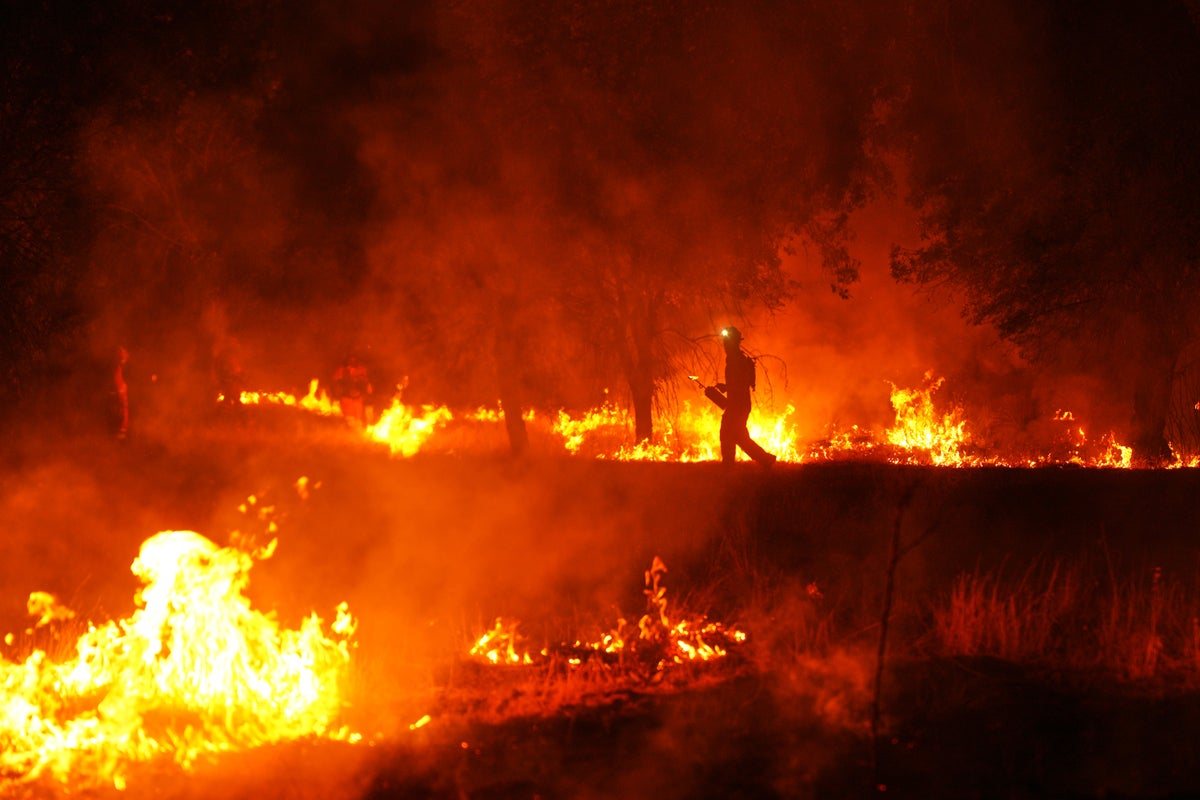
President Emmanuel Macron has declared that France is confronting its most challenging wildfire emergency since the Second World War, as authorities ordered the evacuation of nearly 4,000 people from tourist resorts near Bordeaux. The precautionary evacuation, covering campsites, holiday villages and other tourist accommodation around the resort of Lacanau, came as a return of intense heat and strong winds threatened to overwhelm firefighters battling blazes already raging west of the city. The new heatwave, which meteorologists say could break temperature records, has intensified the danger.
The fires have advanced to within nine miles of Bordeaux, prompting the city's mayor to prepare for « all eventualities », according to local officials. The evacuation order affects a wide area of the French Atlantic coast, with tourists being moved from their accommodation to safer locations. Firefighters have been struggling for days to contain the flames, but the combination of extreme temperatures and gusty winds has made progress difficult. Thousands of hectares of forest have already been destroyed, and the flames are threatening vineyards and other agricultural land. Authorities have warned that further evacuations may be necessary if conditions do not improve.
The crisis in France is part of a broader pattern of extreme weather across Europe. Spain is also battling major wildfires, with the Spanish prime minister stating that the fires serve as a reminder to plan for a worsening climate emergency. The United Nations has issued stark warnings that « the climate alarm is blaring » as heatwaves and fires become more frequent and intense across the continent. In both countries, firefighters are stretched thin as they work to protect communities and natural habitats. International aid has been mobilized, with neighbouring countries sending firefighting aircraft and crews to assist in containment efforts.
Macron described the situation as the « toughest » the country has faced since the Second World War, underscoring the severity of the disaster. The French president has visited affected areas and pledged government support for firefighting efforts. He emphasized that the nation is « at war » with the flames, mobilizing all available resources. The scale of the fires has drawn comparisons to previous devastating seasons, but officials say this year's combination of drought, heat, and wind is unprecedented in modern history. The government has urged people in affected regions to follow evacuation orders and stay informed through official channels.
Witnesses caught up in the evacuations have described the surreal contrast of holidaymakers enjoying the beach while a major catastrophe unfolded nearby. One tourist recalled: « My main memory is how bizarre it was to watch people enjoying holidays on the beach while a major catastrophe was unfolding in full view. Is this how the world ends? » The comment reflects the growing unease among residents and visitors as climate-related disasters become more common. Tourists have been left stranded as roads are closed and accommodation evacuated, with many scrambling to find alternative transport home.
As the heatwave continues, meteorologists predict little respite in the coming days. Temperatures are expected to remain high, and winds may pick up further, creating dangerous conditions for firefighting. The French government has mobilized additional firefighting resources, including aircraft and ground crews, to reinforce the efforts of local services. Meanwhile, the economic and environmental costs are mounting, with the fires burning through forests, vineyards, and agricultural land. The crisis has reignited debates about climate change adaptation and the need for more robust fire prevention strategies across Europe.
The situation remains critical, and officials have warned that the worst may not yet be over. The combination of extreme heat, drought, and wind continues to pose a serious threat to communities along the Atlantic coast. For now, the priority remains saving lives and containing the flames before they reach more populated areas. The coming days will be crucial in determining whether firefighters can gain the upper hand.
86