
Teenager Accused of Piloting 'Mega Dinghy' in Record Channel Crossing
A 19-year-old Sudanese national has been charged with endangering a sea journey after allegedly piloting an inflatable boat carrying a record 165 migrants across the English Channel.
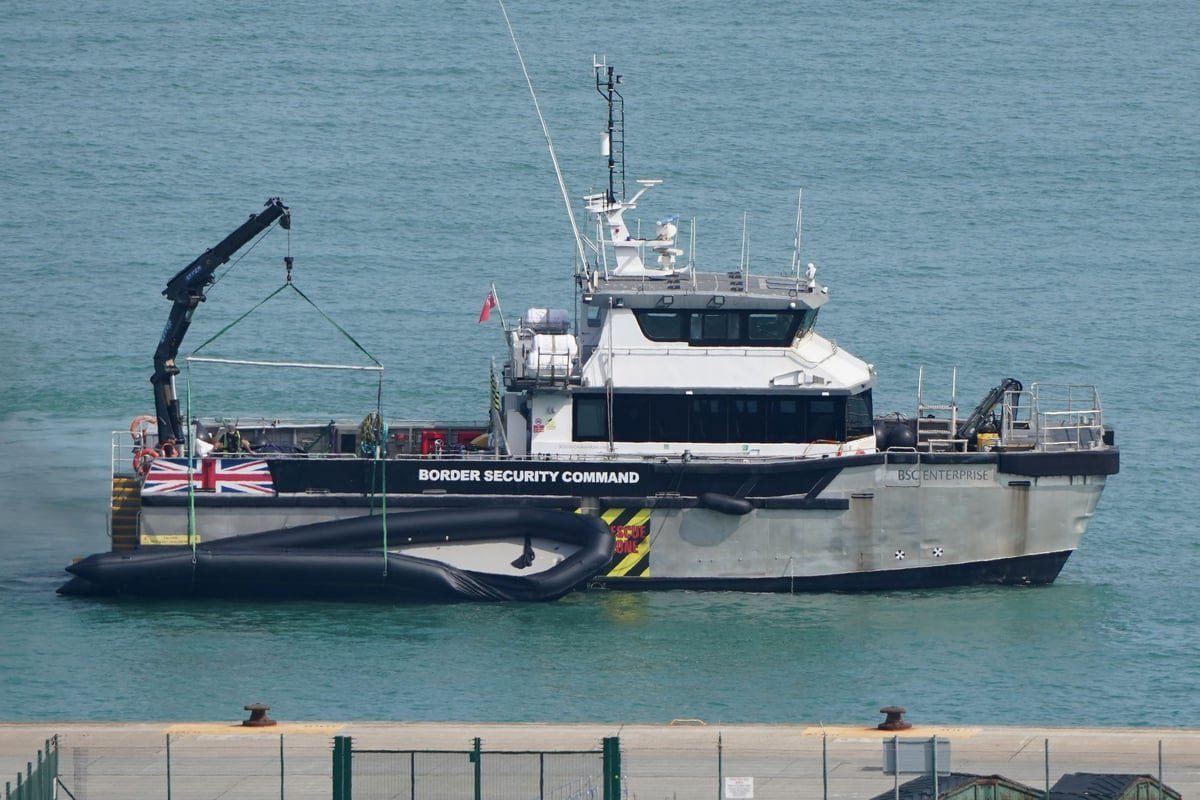
A teenager has appeared in court accused of piloting a so-called «mega dinghy» that carried a record number of migrants across the English Channel earlier this week. Chan Mathok Atak, a 19-year-old Sudanese national, is charged with endangering another during a journey by sea to the United Kingdom in what prosecutors described as a reckless and highly dangerous voyage.
The inflatable boat, which was intercepted by French and British authorities, was carrying 165 people — the largest single crossing ever recorded on the Channel. Atak is alleged to have been steering the vessel when it was stopped. He was arrested and later charged under the Modern Slavery Act, which also covers offences related to facilitating illegal immigration and endangering lives at sea.
Atak appeared at Westminster Magistrates’ Court, where he spoke only to confirm his name and date of birth. He was remanded in custody and is due to appear at the Old Bailey for a further hearing next month. The court heard that the crossing took place in a heavily overloaded dinghy that was not designed for such a journey, with passengers packed tightly together and no life jackets for many on board.
The incident has reignited debate over Channel crossings, which have continued at high levels despite government efforts to deter them. More than 30,000 people have crossed the Channel in small boats so far this year, according to official figures, with the weekly average rising during the summer months. The use of larger, more robust «mega dinghies» has become increasingly common, enabling smugglers to transport greater numbers in a single trip.
Home Office officials said the record crossing demonstrated the ruthlessness of criminal gangs who prioritise profit over human life. A spokesperson stated that the government remains committed to breaking the business model of people smugglers and that law enforcement agencies on both sides of the Channel are working closely together to disrupt the trade. French authorities intercepted the boat shortly after it left the coast near Dunkirk, but allowed it to proceed into British waters where UK Border Force officers took control.
Atak is one of several people charged in recent months with involvement in small boat crossings. Prosecutors argue that those who pilot the vessels play a central role in enabling dangerous journeys and must face serious penalties. The maximum sentence for endangering a sea journey under UK law is 14 years in prison.
The case has drawn attention to the plight of many young migrants who end up working for smuggling networks, sometimes coerced or misled about the risks. Atak’s defence team did not offer any statement during the brief hearing, and it remains unclear whether he will contest the charge or argue that he acted under duress. The court was told that further investigations are ongoing, including forensic examination of the dinghy and mobile phone data.
The record crossing and subsequent charge come as the UK government pushes forward with its plan to process asylum claims offshore, though the policy remains legally contested. Meanwhile, local authorities along the Kent coast continue to manage the arrival and processing of hundreds of migrants each week, placing strain on accommodation and support services. The Channel migration crisis shows no sign of abating, with each summer bringing new attempts and, increasingly, larger and more dangerous vessels.
89