Netanyahu Denounces ICC Charges as «Beyond Outrageous»
Israeli Prime Minister Benjamin Netanyahu has condemned the International Criminal Court's decision to seek arrest warrants against him and Defense Minister Yoav Gallant, calling the move «beyond outrageous» and a distortion of justice.
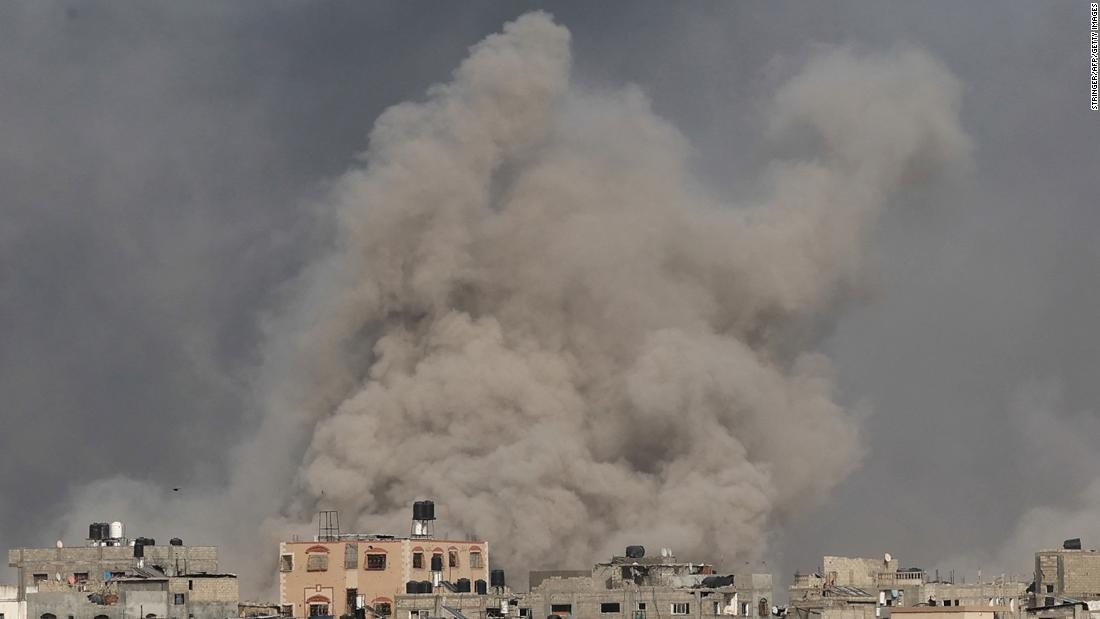
Israeli Prime Minister Benjamin Netanyahu has strongly condemned the International Criminal Court’s decision to seek arrest warrants against him and Defense Minister Yoav Gallant, describing the move as «beyond outrageous» in an interview with CNN’s Jake Tapper on Tuesday. The ICC prosecutor’s office announced it is seeking warrants for Netanyahu, Gallant, and three Hamas leaders, accusing them of war crimes and crimes against humanity related to the ongoing conflict in Gaza. Netanyahu’s remarks mark the first direct response from Israel’s leadership since the ICC’s announcement, which has drawn sharp international reactions.
The ICC prosecutor, Karim Khan, stated that there are reasonable grounds to believe that Netanyahu and Gallant bear criminal responsibility for actions including the starvation of civilians as a method of warfare, murder, and other inhumane acts. The charges stem from Israel’s military campaign in Gaza, which began after Hamas’s October 7 attack on southern Israel. Khan also sought warrants for Hamas leaders Yahya Sinwar, Mohammed Deif, and Ismail Haniyeh for alleged war crimes, including hostage-taking, murder, and sexual violence. The simultaneous pursuit of warrants against both sides has fueled debate over the court’s impartiality and the legal basis for its actions.
Netanyahu dismissed the ICC’s allegations as baseless and politically motivated, arguing that Israel is exercising its right to self-defense against a terrorist organization. He emphasized that Israel’s military operations in Gaza are conducted in accordance with international law and that the ICC has no jurisdiction over Israel, which is not a party to the Rome Statute. The prime minister also accused the court of creating a false equivalence between a democratic state and a terrorist group, warning that the decision could set a dangerous precedent for nations fighting terrorism worldwide.
The United States, Israel’s closest ally, has also criticized the ICC’s move. President Joe Biden called the application for arrest warrants «outrageous» and reiterated that there is no equivalence between Israel and Hamas. Secretary of State Antony Blinken expressed concern that the ICC’s action could undermine ongoing efforts to secure a ceasefire and hostage release deal. In contrast, several European countries, including Belgium, Slovenia, and Ireland, have voiced support for the ICC’s independence and the need for accountability. The European Union’s foreign policy chief, Josep Borrell, noted that all states should respect the court’s decisions, though he acknowledged the complexity of the situation.
The ICC’s announcement has intensified diplomatic tensions and raised questions about the future of the conflict. Israel’s military campaign in Gaza has resulted in over 35,000 Palestinian deaths, according to the Gaza Health Ministry, and widespread destruction of infrastructure. The humanitarian crisis has deepened, with the United Nations warning of famine and the displacement of nearly 1.9 million people. Meanwhile, Hamas continues to hold around 100 Israeli hostages, with efforts to negotiate their release stalled. The ICC’s involvement adds a new legal dimension to the conflict, potentially complicating any future peace negotiations.
Legal experts are divided on the practical implications of the ICC’s warrants. While the court has no enforcement mechanism and Israel does not recognize its jurisdiction, the warrants could restrict the travel of Netanyahu and Gallant to countries that are party to the Rome Statute. Several ICC member states, including many in Europe, would be obligated to arrest them if they entered their territory. However, the warrants are preliminary and must be approved by a panel of ICC judges, a process that could take months. The court has a history of issuing arrest warrants for leaders, including Russian President Vladimir Putin over the Ukraine war, but enforcement has been limited.
The broader context of the conflict remains volatile. On Tuesday, Israeli forces continued operations in Rafah, a city in southern Gaza where over a million displaced Palestinians have sought shelter. The United Nations and humanitarian organizations have repeatedly called for a ceasefire to allow aid deliveries and prevent further civilian casualties. The ICC’s move has also sparked protests and counter-protests in various countries, reflecting the deep divisions over the war. Netanyahu’s government faces domestic pressure from families of hostages and from far-right coalition partners who oppose any concessions to Hamas.
As the legal and political battles unfold, the situation on the ground in Gaza remains dire. The ICC’s involvement may not immediately alter the course of the conflict, but it has already reshaped the international discourse, placing the actions of both Israel and Hamas under unprecedented legal scrutiny. The coming weeks will be critical as the court’s judges decide whether to issue the arrest warrants, and as diplomatic efforts to end the fighting continue amid a backdrop of deep mistrust and entrenched positions.
88