
European officials warn wildfires could burn until November as heatwave looms
Firefighters across France and Spain are battling massive wildfires as a new heatwave looms, with officials warning the blazes could continue into November. More than 360,000 people have been evacuated this week.
Firefighters in France and Spain are facing another day of intense battles against wildfires, as authorities warn that the blazes could continue burning into November. The warning comes as a new heatwave is set to hit the region this week, threatening to worsen conditions.
In Spain, provisional data from the government shows that more than 170,000 hectares of forest land have been affected since the beginning of the year. That represents a nearly sixfold increase compared to the same period in 2025, when almost 29,000 hectares had burned. The number of major fires recorded so far in 2026 stands at 35, up from just 11 last year.
Spanish Prime Minister Pedro Sánchez said the country is suffering the effects of the climate crisis, as firefighters struggle to contain the flames. The situation has forced the evacuation of around 116,000 people from areas near Madrid.
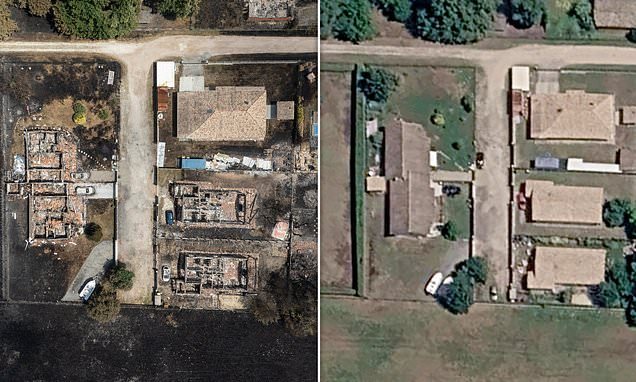
In France, the situation is equally dire. More than 250,000 people have been evacuated from their homes across the country, particularly in the Bordeaux region where massive fires have devastated large areas. Aerial images have revealed what officials are calling a « warzone » as the flames have torched tens of thousands of hectares of woodland.
President Emmanuel Macron has described the crisis as France’s « most difficult time since WW2, » reflecting the severity of the wildfires that have swept across the nation. He has called for urgent measures and is expected to hold crisis meetings with regional officials.
Across Europe, the wildfires have displaced an estimated 360,000 people this week alone. The scale of the destruction has been compared to an area the size of Cornwall in the United Kingdom, underscoring the vastness of the affected land.
Meteorologists warn that a new heatwave, with temperatures expected to exceed 40°C in some areas, could further exacerbate the situation. Firefighters are racing against time to contain existing fires before the extreme heat returns, which may also spark new blazes.
The combination of prolonged drought, high temperatures, and strong winds has created ideal conditions for the rapid spread of wildfires across southern Europe. Officials are concerned that without significant rainfall, the fires could persist well into the autumn months, potentially burning until November.
Emergency services are working around the clock, supported by water-bombing aircraft and reinforcements from other regions. International assistance has also been mobilised, with several European Union member states offering aid.
Environmental experts point to the increasing frequency and intensity of such wildfires as a clear sign of climate change. They note that the fire season now starts earlier and lasts longer, putting immense pressure on firefighting resources and local communities.
As the crisis continues, authorities are urging residents in affected areas to follow evacuation orders and stay informed about changing conditions. The coming days are expected to be critical in determining whether the fires can be brought under control before the next heatwave.
86