DNA from soda bottle links Massachusetts woman to 1985 death of newborn son
A Massachusetts woman has been charged with murder in the 1985 death of her newborn son, known as Baby Boy Doe, after DNA from a discarded soda bottle allegedly linked her to the cold case.
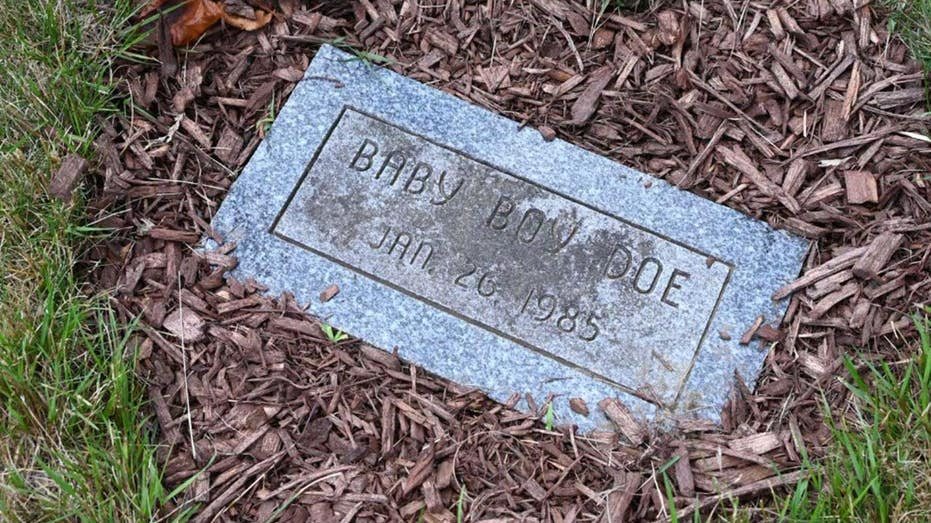
Authorities have charged a Massachusetts woman with murder in the 1985 death of her newborn son, a case that remained unsolved for decades until DNA from a discarded soda bottle allegedly provided the crucial link. Dianne Curry Peck, 59, pleaded not guilty in court on Tuesday to a murder charge connected to the death of the infant, who was found abandoned in the woods and became known as «Baby Boy Doe» of Mansfield.
FBI Boston Special Agent-in-Charge Ted Docks described the case as heartbreaking, noting that the child was denied the most basic right to live. «Few cases are more heartbreaking than one involving a newborn baby, allegedly abandoned and left to die in the woods by his mother, deprived of the care, love and protection every child deserves,» Docks said outside the courthouse. «For 41 years, this child was known simply as Baby Boy Doe. He entered this world with limitless promise, but was denied the most basic right to live.»
The infant’s body was discovered on January 26, 1985, by a father and son hunting rabbits. The pair initially thought the child was a doll before realizing it was a naked infant lying on the ground. An autopsy determined the baby was born alive but died shortly after. «It was naked, lying on its back; the umbilical cord was still attached to the baby,» recalled Kenneth Martin, a former Massachusetts State Police trooper assigned to the Bristol County District Attorney’s Office at the time.
The Mansfield Police Department, along with former New England Patriots quarterback Steve Grogan, paid for the baby’s funeral. The case went cold until 2022, when Bristol County investigators reopened it in partnership with the FBI and state authorities. Using forensic genetic genealogy, investigators analyzed the baby’s DNA, which eventually led them to Peck. DNA recovered from a soda bottle taken from her trash ultimately linked her to the child, authorities said.
At the time of the birth, Peck was a 17-year-old student at Mansfield High School. She allegedly admitted to investigators that she had given birth to a child in the back seat of her ex-boyfriend’s car. She claimed she gave the baby to him because he said he knew someone who would adopt the infant. Peck told investigators she believed she had given birth to a girl and never spoke to her ex-boyfriend again. He died in 2020, according to the FBI.
Prosecutors noted there is no evidence that anyone, including Peck’s ex-boyfriend, knew she was pregnant. Peck allegedly told police she gave birth on January 20, 1985, but prosecutors argued in court that the timeline is inconsistent with the condition of the baby’s body and the freezing temperatures at the time. According to a medical examiner, the infant had likely been in the woods for only about 12 hours before being discovered.
The case has drawn attention to the use of advanced DNA technology in solving cold cases. Forensic genetic genealogy, which combines DNA analysis with genealogical research, has become an increasingly common tool for law enforcement in recent years, helping to identify suspects and victims in cases that have remained unsolved for decades. The technique involves building family trees from DNA samples and cross-referencing them with public databases to find potential matches.
Peck’s attorney has not commented publicly on the case, and the Bristol County District Attorney’s Office has declined to provide additional details. The investigation remains ongoing, and Peck is scheduled to appear in court again at a later date. The case has reignited discussions about the challenges of prosecuting decades-old crimes, particularly when key witnesses have died and evidence has degraded over time.
100