
CrossCountry cancels almost all trains after UK power cut
CrossCountry has suspended services across nearly all its routes until further notice after a power cut caused major disruption for passengers across the UK.
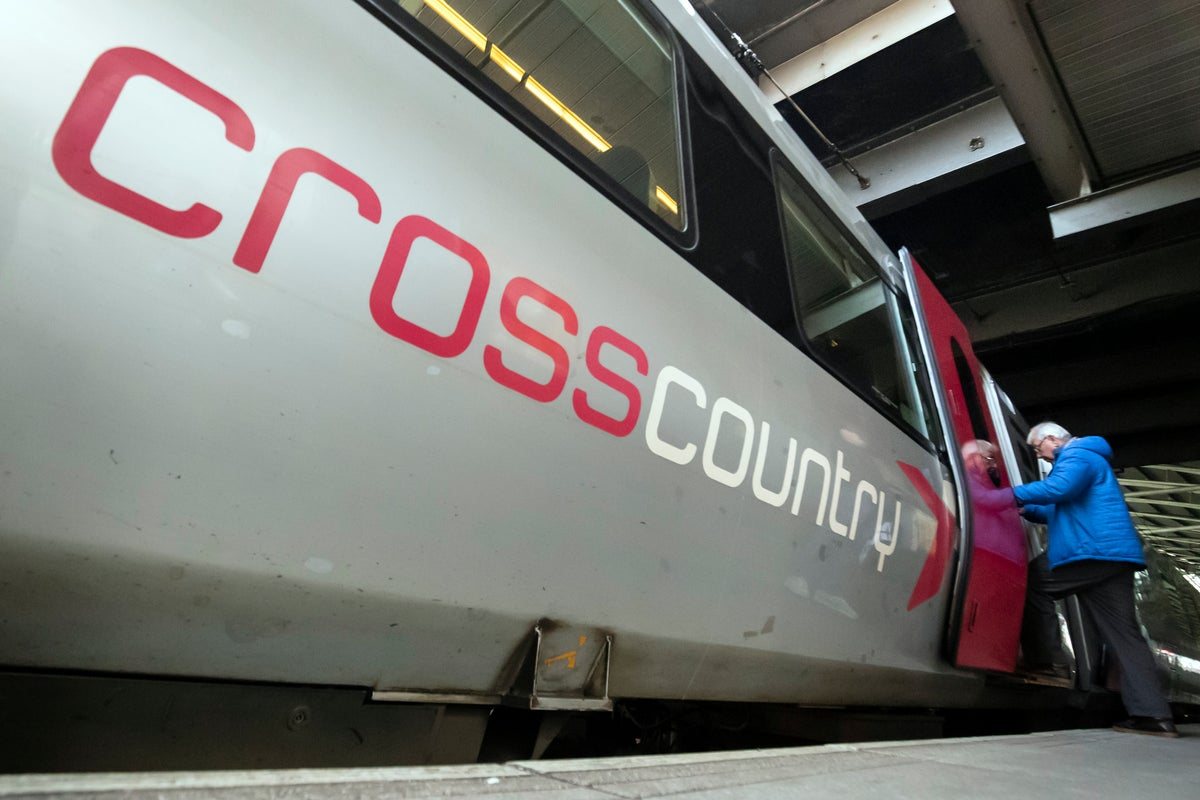
CrossCountry has cancelled almost all of its train services across the UK after a power cut brought the network to a standstill. The operator said journeys were suspended on nearly every route until further notice, leaving passengers facing significant disruption and long delays.
The company issued a travel warning to commuters on Sunday, advising them not to travel unless absolutely necessary. A spokesperson said the power failure had affected signalling and infrastructure across large parts of the network, making it impossible to run services safely. Replacement transport was being arranged on some routes, but the operator warned that capacity would be extremely limited.
The disruption hit passengers across England and Scotland, with all CrossCountry routes withdrawn until further notice. The company said it was working with Network Rail and other agencies to restore power and resume services as quickly as possible, but gave no clear timeline for when normal operations might resume.
CrossCountry operates long-distance services connecting major cities including Birmingham, Manchester, Leeds, Newcastle, Edinburgh, Glasgow, Bristol, Cardiff, Plymouth, and Penzance. The cancellations therefore affected travellers on a wide range of journeys, from daily commuters to those making cross-border trips between England and Scotland.
Passengers with tickets for cancelled services were advised to claim refunds or rebook their journeys for a later date. The operator said tickets would be accepted on other train companies' services where possible, although this was subject to availability and not guaranteed on all routes.
The power cut is the latest in a series of disruptions to hit the UK rail network, which has faced criticism in recent months over reliability and performance. Industry figures have pointed to ageing infrastructure and underinvestment as underlying causes of such failures, while operators have repeatedly urged passengers to check before travelling during periods of severe disruption.
Local media reported scenes of confusion at major stations as screens showed cancellations across the board and staff struggled to provide information to frustrated passengers. Some travellers took to social media to describe long waits and missed connections, with several reporting that replacement buses were either full or not running on their routes.
CrossCountry apologised for the disruption and said it would provide updates as soon as more information became available. The company also reminded passengers that refunds could be claimed online and that those who chose to travel on alternative services should keep their tickets for inspection.
The incident highlights the fragility of parts of the UK's rail infrastructure and the knock-on effects that a single power failure can have on a network used by hundreds of thousands of people each day. While the immediate cause of the outage has not been fully explained, engineers were reportedly working to identify the fault and restore services.
57