
Andy Burnham becomes UK prime minister after meeting King Charles
Andy Burnham has become the new prime minister of the United Kingdom after meeting King Charles III, succeeding Keir Starmer and delivering his first speech outside Downing Street.
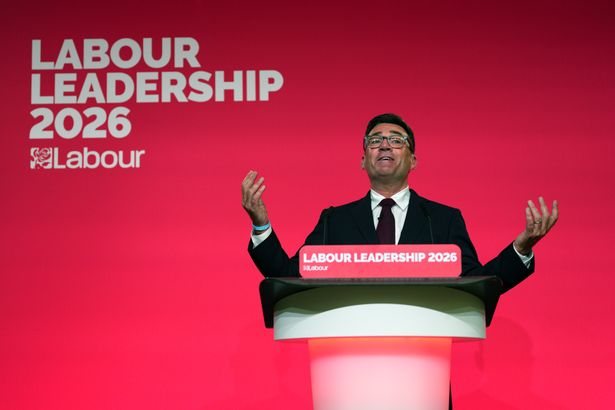
Andy Burnham has officially become the United Kingdom's new prime minister after meeting King Charles III on Monday, succeeding Keir Starmer in a historic transition of power. The former Greater Manchester mayor arrived at Downing Street following the traditional audience with the monarch, where he was formally appointed to form a government.
In his first speech outside Number 10, Burnham addressed the nation, outlining his priorities for the new Labour government. He is expected to scrap Starmer's plans for digital ID cards, redirecting resources toward tackling the cost-of-living crisis, according to his team. The move signals a shift in focus as the new administration seeks to address pressing economic challenges facing British households.
Burnham's ascent to the premiership marks a significant moment in UK politics, coming after a period of Labour leadership under Starmer. The transition began earlier on Monday when Starmer visited the King to formally resign as prime minister, paving the way for Burnham to take the reins. The new leader's background as mayor of Greater Manchester, where he oversaw regional transport, housing, and economic development, is expected to influence his approach to governing.
The change in leadership comes amid a complex domestic and international landscape. Domestically, Burnham has signalled a reset of priorities, with a focus on addressing the cost of living, which has strained many families. Internationally, the UK continues to navigate challenges including the war in Ukraine, tensions with Iran, and global economic pressures. Burnham's cabinet appointments are being closely watched, with expectations of a blend of experienced Labour figures and fresh faces.
Burnham's journey to the top office has been marked by a steady rise through Labour ranks. He served as a member of parliament for Leigh and later as Greater Manchester mayor, where he gained a reputation for pragmatic governance and advocacy for regional devolution. His election as Labour leader earlier this year set the stage for this transition, and his first actions as prime minister are seen as a test of his ability to unite the party and the country.
The handover of power was conducted with the usual ceremonial formalities, including the meeting with the monarch at Buckingham Palace. Burnham's speech outside Downing Street struck a tone of unity and determination, emphasising his commitment to serving all parts of the UK. He is expected to announce key cabinet positions in the coming days, with a focus on economic recovery, public services, and social justice.
Political analysts note that Burnham faces a challenging agenda, including managing post-Brexit relations, addressing regional inequalities, and maintaining the UK's role on the global stage. His experience as a mayor, dealing with local issues such as transport and housing, may inform his approach to national policy, particularly on devolution and regional development.
As the new prime minister settles into Downing Street, the coming weeks will reveal the direction of his government. The scrapping of digital ID cards is just one early indication of his intent to prioritise immediate economic concerns over longer-term technological projects. Observers will be watching for further policy announcements, particularly on taxation, public spending, and the environment.
Burnham's appointment has been met with a mix of anticipation and scrutiny from across the political spectrum. Supporters highlight his track record in Manchester, while critics question his ability to deliver on ambitious promises. The new prime minister's first days in office will be crucial in setting the tone for his tenure.
86