
UN warns of dire food situation in Gaza as aid access plummets
The UN reports a critical food crisis in Gaza, with only 300 aid trucks entering since Israel's Rafah offensive began, threatening widespread hunger.
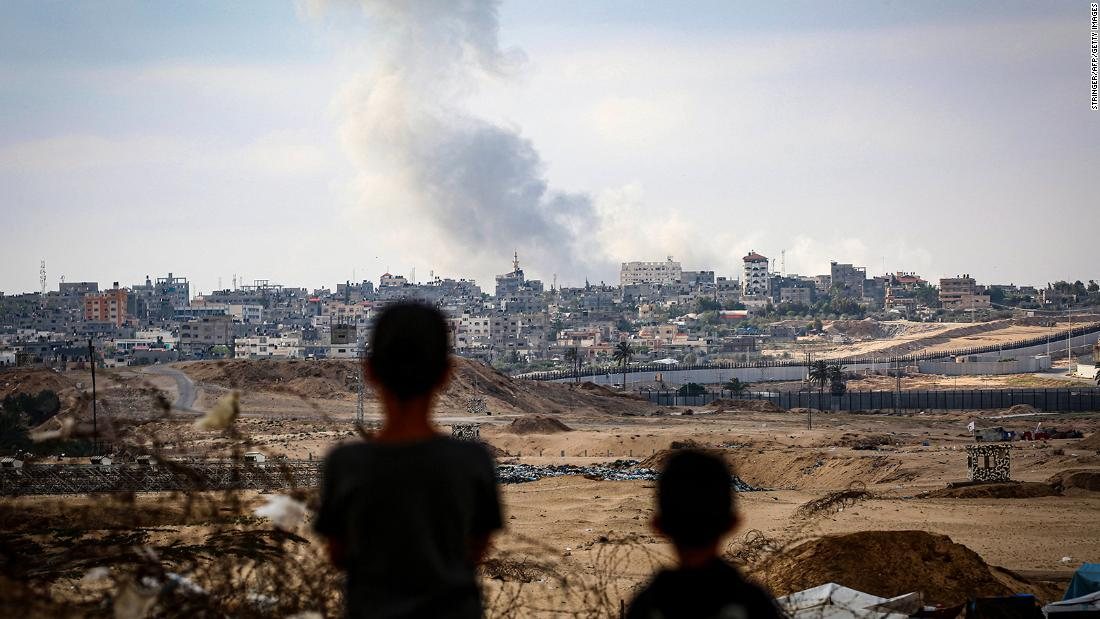
The United Nations has issued a stark warning about the worsening food crisis in Gaza, reporting that barely more than 300 aid trucks have entered the strip since Israel launched its military offensive in Rafah earlier this month. The figure, published in a UN agency report on Friday, marks a dramatic decline in humanitarian access and raises fears of widespread hunger among the enclave's 2.3 million residents.
The Rafah offensive, which began on May 6, has severely disrupted the main entry point for humanitarian supplies. Before the operation, an average of 500 trucks per day were crossing into Gaza, according to UN data. The current rate of roughly 20 trucks per day represents a 96 percent drop, leaving aid organizations struggling to distribute food, water, and medical supplies to a population already on the brink of famine.
The UN agency, which did not specify its name in the report, described the situation as «dire» and warned that the entire population of Gaza is now facing acute food insecurity. The World Food Programme has previously classified parts of northern Gaza as being in a state of famine, and the latest disruption threatens to extend that catastrophe to the south. Humanitarian officials have called for an immediate ceasefire to allow for the safe passage of aid convoys.
Israel launched the Rafah operation with the stated goal of dismantling Hamas battalions and rescuing hostages held since the October 7 attacks. However, the military campaign has drawn international condemnation for its impact on civilians. The United Nations and several governments, including the United States, have urged Israel to open additional crossing points and ensure the protection of humanitarian workers. The Israeli military has said it is reviewing the aid situation but has not committed to a significant increase in truck entries.
The collapse of aid deliveries comes amid a broader humanitarian catastrophe in Gaza. More than 35,000 people have been killed since the war began, according to the Gaza Health Ministry, and over 1.7 million have been displaced. The UN has warned that the lack of food, clean water, and medical care is creating conditions for disease outbreaks and mass starvation. The World Health Organization has reported that only a third of Gaza's hospitals are functioning, and those are overwhelmed with casualties.
The economic impact of the aid blockade is also severe. The Gaza Strip, already one of the most densely populated and impoverished areas in the world, has seen its economy collapse. The UN Conference on Trade and Development estimated in February that Gaza's GDP had contracted by 24 percent in 2023, with the war accelerating the decline. The destruction of agricultural land, fishing boats, and industrial facilities has eliminated most local food production, making the population entirely dependent on imports and aid.
International efforts to broker a ceasefire have so far failed. Egypt, Qatar, and the United States have been mediating indirect talks between Israel and Hamas, but no agreement has been reached. Hamas has demanded a permanent end to the war and the withdrawal of Israeli forces, while Israel insists on the destruction of Hamas's military capabilities and the return of all hostages. The deadlock has left the aid crisis unresolved, with the UN warning that time is running out to prevent a full-scale famine.
The situation in Rafah is particularly concerning. The city, which had a pre-war population of about 280,000, now shelters more than 1.4 million displaced people, many living in makeshift tents and overcrowded shelters. The Israeli offensive has forced hundreds of thousands to flee again, with no safe destination. The UN has described the displacement as «catastrophic» and called for an immediate halt to hostilities to allow for humanitarian relief.
The broader context of the war dates back to October 7, 2023, when Hamas launched a surprise attack on southern Israel, killing about 1,200 people and taking over 250 hostages. Israel responded with a massive military campaign that has devastated Gaza. The conflict has also sparked regional tensions, with Hezbollah in Lebanon and Houthi rebels in Yemen launching attacks in solidarity with Hamas. The humanitarian crisis in Gaza has become a central issue in international diplomacy, with the UN Security Council passing resolutions demanding a ceasefire, though these have been largely ignored.
As the war enters its eighth month, the UN's warning about food supplies underscores the urgent need for a political solution. Without a ceasefire and a significant increase in aid deliveries, the people of Gaza face an even darker future. The international community, including key allies of Israel, must press for immediate action to prevent a humanitarian disaster that could claim thousands more lives.
90