
Iran Conflict Drives UK Pump Prices to Four-Year High, Costing Drivers £7.5bn
A new study finds that the conflict with Iran has pushed UK petrol and diesel prices to a four-year high, forcing drivers to spend an extra £7.5 billion and handing the Treasury a £1.3 billion VAT windfall.
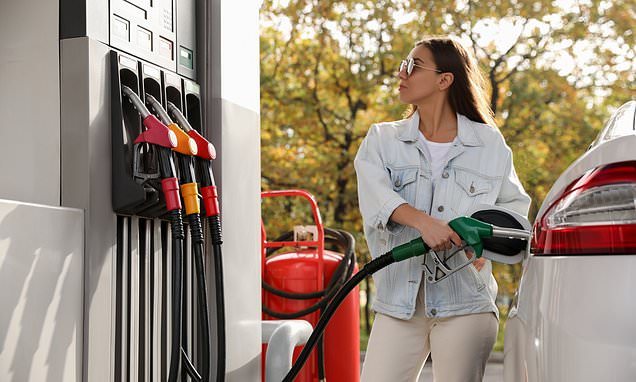
UK drivers are paying an additional £7.5 billion at the pumps as petrol and diesel prices climb to their highest level in four years, according to a new study. The analysis attributes the surge to the conflict with Iran, which has disrupted global oil markets and driven up the cost of crude.
The study estimates that the Treasury has collected an extra £1.3 billion in VAT as a direct result of the price increases. This windfall comes as households already face pressure from broader cost-of-living challenges, with fuel costs adding to the financial strain on motorists and businesses alike.
Petrol and diesel prices have been rising steadily in recent months, reaching levels not seen since 2022. The conflict with Iran has exacerbated existing supply concerns, pushing up wholesale fuel costs that are ultimately passed on to consumers at the forecourt.
The £7.5 billion figure represents the total additional amount drivers have had to spend compared with previous price levels. This extra outlay acts as a drag on household budgets and could contribute to slower consumer spending in other areas of the economy.
For the government, the £1.3 billion VAT windfall provides a short-term fiscal boost, but it also highlights the regressive nature of fuel taxes, which take a larger share of income from lower-income households. The study's findings are likely to intensify debates over fuel duty and the broader impact of geopolitical events on domestic energy costs.
The conflict with Iran has been a major factor in global oil market volatility. Sanctions, military tensions, and supply disruptions have all contributed to higher crude prices, which in turn feed through to refined products like petrol and diesel. The UK, as a net importer of oil products, is particularly exposed to these international price movements.
Analysts note that the situation could persist if the conflict continues or escalates. Any further disruption to oil supplies from the Middle East would likely keep prices elevated, adding to the financial burden on drivers and potentially slowing economic growth.
The study's authors suggest that the government could consider measures to offset the impact on consumers, such as temporary fuel duty cuts or targeted support for vulnerable households. However, such measures would reduce the VAT windfall and add to public borrowing.
For now, motorists are left grappling with higher costs at the pump, with little relief in sight. The combination of geopolitical tensions and market dynamics suggests that fuel prices will remain a key concern for both households and policymakers in the months ahead.