Healey warns young workers may miss minimum wage rise before next election
Chancellor John Healey says the planned boost to the minimum wage for younger workers may not arrive before the next general election, as he weighs its impact on jobs.
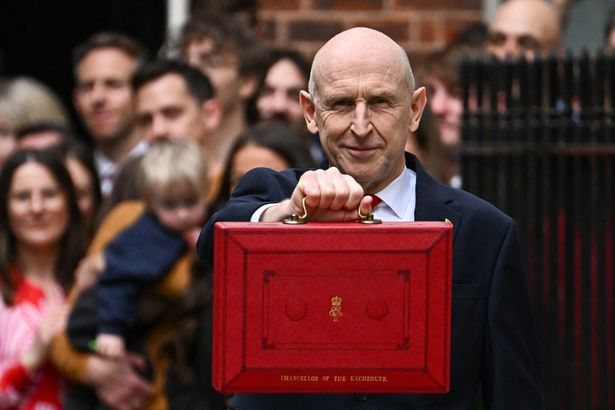
Chancellor John Healey has said that young workers may not see a boost to their minimum wage before the next general election, while insisting the increase will still go ahead. Healey said he wanted to « look hard » at the trade-offs between higher pay for younger staff and the number of jobs available to them.
The comments suggest the government is reconsidering the timing of a pledge that Labour made in 2024. At that time, the party committed to closing the gap between the adult minimum wage and the rates paid to workers aged 18 to 20. Healey's remarks indicate that the commitment may not be delivered within the current parliamentary term, although he has not ruled it out altogether. The source material does not set out a revised date or any new figures for the proposed increase.
The question of youth pay sits at the centre of a wider debate about the cost of employing younger workers. Employers who rely on lower-paid entry-level staff, particularly in hospitality and retail, have long argued that steep increases can lead to fewer vacancies and reduced hours. Supporters of a narrower pay gap counter that younger people are often concentrated in the most precarious parts of the labour market and deserve fairer treatment with their older colleagues.
Healey's wording reflects that tension. By stressing that the boost would still happen while signalling that its timing is under review, the Chancellor has left open how quickly the change will take effect and how large it will be. The uncertainty matters for a generation of workers who were promised a narrower gap at the last election and who are now being told that delivery may fall outside the current term.
The government's approach will be watched closely by businesses, unions and younger workers alike. A delay would keep the pay gap in place for longer, while a faster rise could add to the costs of employers already dealing with pressure on their margins. Any decision on timing will therefore be read as a judgement on how the government balances the interests of young people against the risk of fewer jobs for them.
8