
Healey sets 28 October budget on pledge to move money and power out of Westminster
Chancellor John Healey has confirmed the first budget of Andy Burnham's premiership will be held on 28 October, promising to spread money and power across Britain while maintaining Labour's fiscal rules.
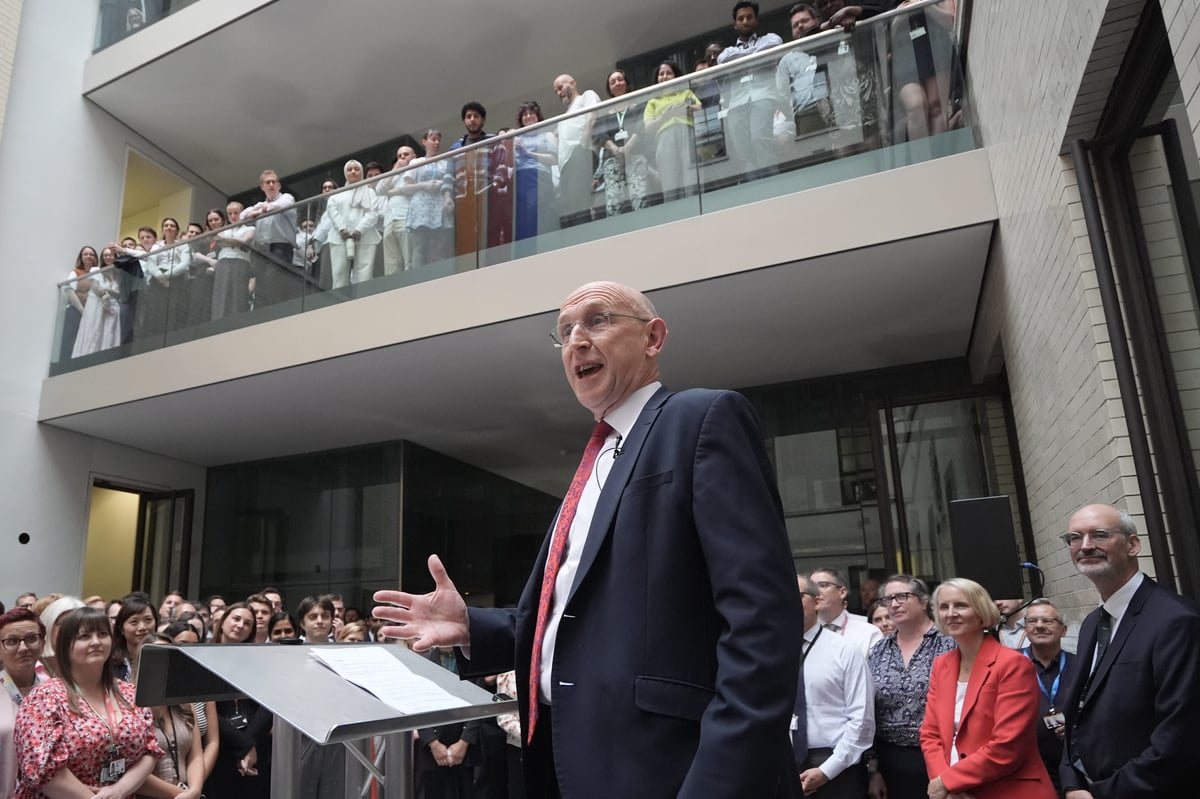
Chancellor John Healey has confirmed that the first budget of Andy Burnham's government will be delivered on 28 October, with a promise to move money and power out of Westminster and into communities across Britain. The announcement sets the stage for the new prime minister's tax and spending agenda, which Healey said would remain firmly anchored in Labour's fiscal rules.
Speaking as the date was revealed, the chancellor said the autumn budget would aim to give businesses and households the stability they need for the future. He described the statement as one that would spread economic opportunity around the country, rather than concentrating decisions in Whitehall. A Treasury aide said the plans would be built on fiscal discipline.
Burnham, who entered Downing Street after a leadership contest earlier in the year, has signalled a more interventionist approach to regional policy. The budget is expected to fund a number of his flagship commitments, which have been announced in a recent wave of policy proposals. The challenge for Healey will be finding the money for those measures while sticking to the government's self-imposed borrowing rules, particularly as the cost of government debt has been rising in recent weeks.
The chancellor's chosen language echoed Labour's long-standing critique of centralised economic management. He said the budget would move money and power out of Westminster and into every postcode around Britain, signalling a shift towards devolution and locally driven growth. The phrase was seen as an attempt to define the new administration around fairness and regional renewal rather than simply continuity with the previous government.
Healey's fiscal strategy will be scrutinised closely by financial markets, which have grown sensitive to the scale of government borrowing. The chancellor has repeatedly insisted that Labour will not compromise on its fiscal credibility, and aides say the October statement will include measures to balance new spending commitments with a clear plan to keep debt on a sustainable path.
The date of the budget, 28 October, gives the Treasury several months to prepare the detailed spending plans that will underpin Burnham's agenda. It also serves as an early test of the new prime minister's ability to turn campaign promises into concrete policy, with ministers expected to lobby heavily behind the scenes for departmental settlements before the final figures are locked in.
Observers note that the budget will need to reconcile competing pressures within Labour. Many in the party want to see rapid progress on public services, infrastructure and living standards, while the Treasury is wary of unsettling investors after a period of volatility in borrowing costs. The outcome of the October statement will signal which side of that balance the new government intends to prioritise.
The confirmation of the date follows a series of policy announcements by Burnham's team aimed at demonstrating early momentum. The prime minister has moved quickly to shape his administration, including appointing ministers and advisers to drive the agenda forward. The budget is now set to be the defining moment of his first months in office, with the chancellor tasked with turning political promises into a coherent economic plan.
For households and businesses, the October statement will set out the tax changes, spending priorities and economic forecasts that will shape the year ahead. The government has promised clarity and stability, arguing that the budget will provide a firm foundation for long-term investment. With borrowing costs rising and demand for public funding intense, Healey's first budget will be closely watched at home and abroad.