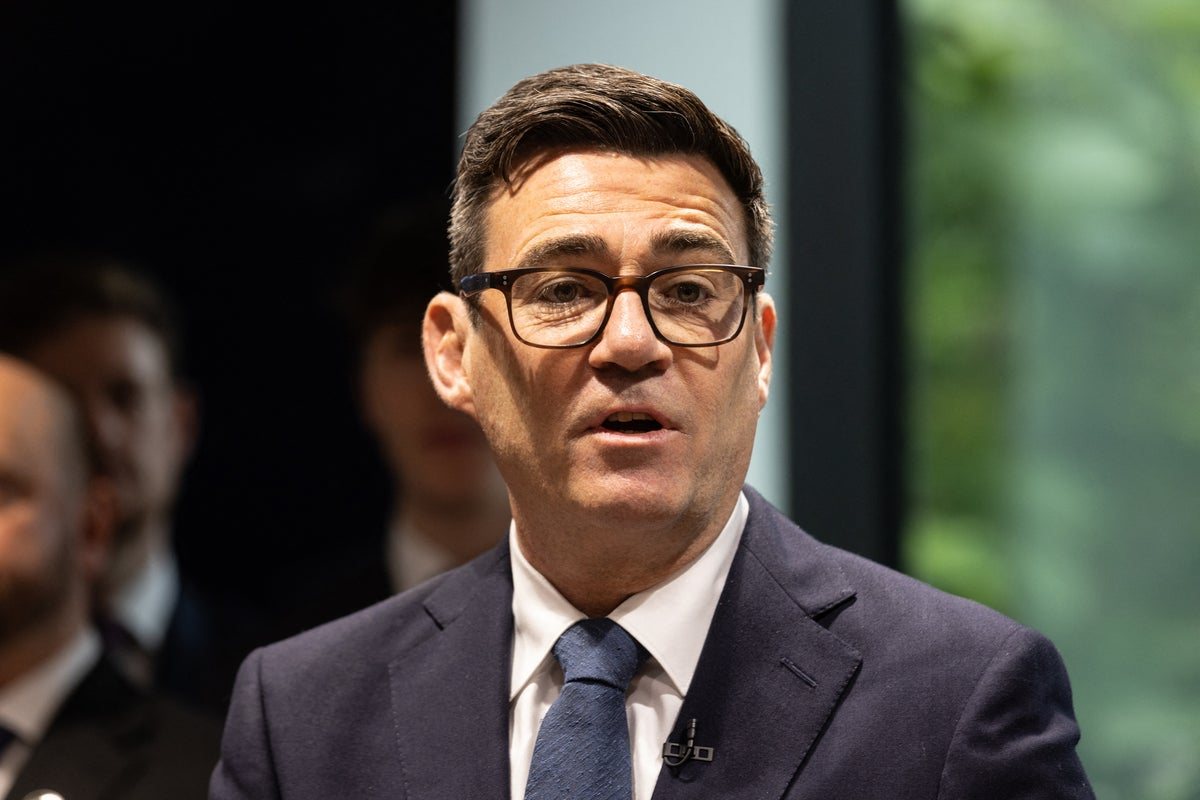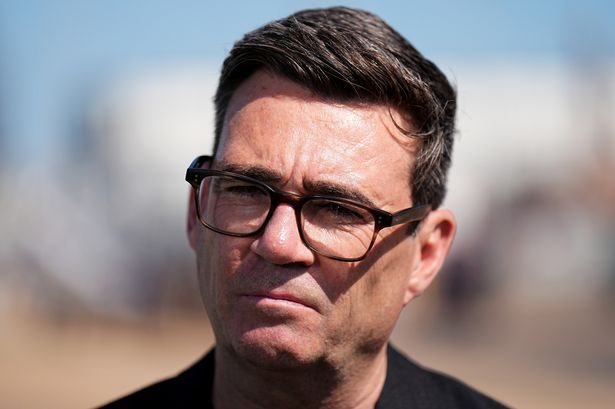
Prime Minister Andy Burnham's much-anticipated cabinet appointments have drawn sharp criticism from political commentators, who argue that the new team falls short of his bold promise to end four decades of neoliberalism in the United Kingdom. The appointments, which include John Healey as Chancellor of the Exchequer and Wes Streeting as Defence Secretary, have been described as a cautious and conventional choice rather than the radical departure many had hoped for.
Burnham, who came to power on a platform of transformative change, had pledged to dismantle the neoliberal economic consensus that has dominated British politics since the 1980s. However, the composition of his cabinet has raised immediate questions about the depth of his commitment to that agenda. Critics point to Healey, a veteran Labour figure with a reputation for fiscal orthodoxy, as a signal that the new government may not be willing to break with the Treasury's traditional approach to public spending and investment.
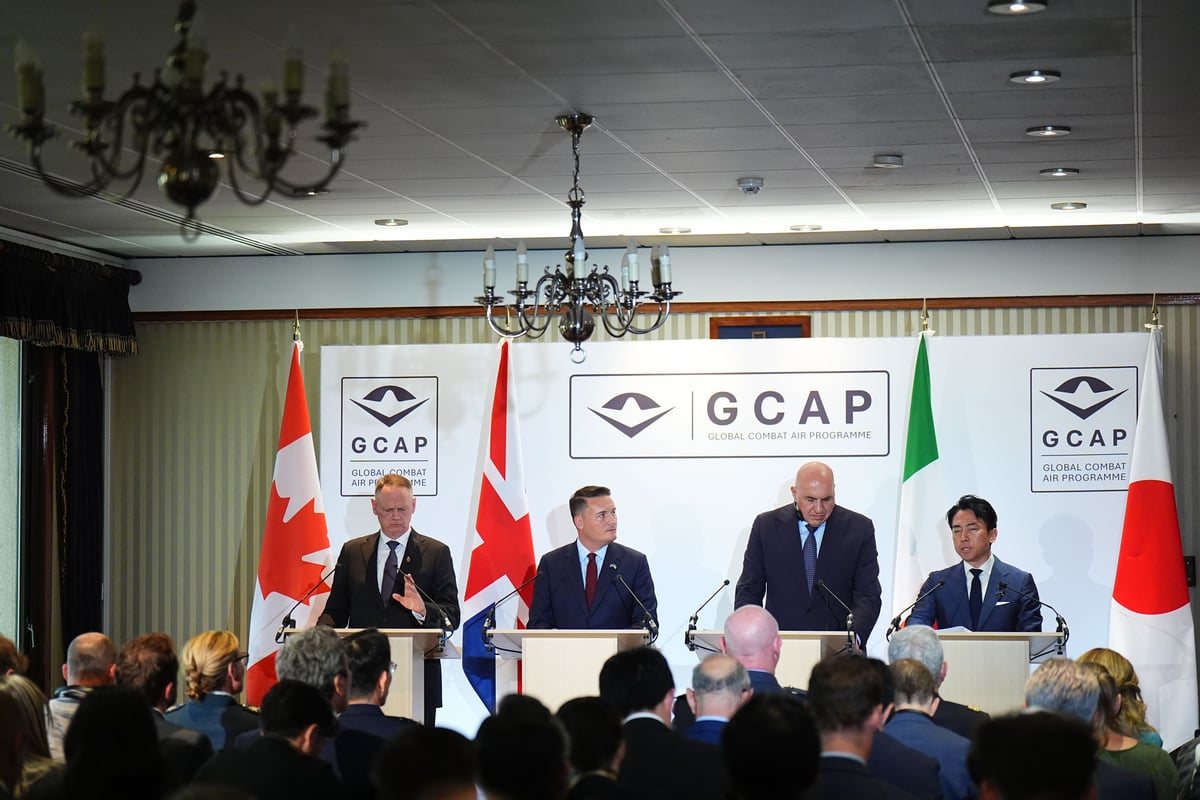
The appointment of Wes Streeting as Defence Secretary has also drawn scrutiny. Streeting, known for his hawkish stance on defence and security, has stated that he wants to make the United Kingdom prepared to win wars. While he described Healey as a 'firm friend' of defence in the Treasury, the choice has been interpreted by some as a continuation of the previous government's military posture rather than a shift toward a more progressive foreign policy.
Owen Jones, a Guardian columnist and prominent left-wing voice, has been particularly critical of the cabinet selections. In a recent commentary, Jones argued that the appointments represent a missed opportunity to signal a genuine new era. 'Putting Ed Miliband in charge of the Treasury would have signalled a genuine new era,' Jones wrote, suggesting that Burnham's choices reflect a preference for playing it safe rather than pursuing the radical economic transformation he promised.
The new cabinet also includes Louise Haigh as First Secretary of State, a role that effectively makes her the deputy prime minister and the government's enforcer. Haigh, a former shadow minister, is seen as a loyalist who will help maintain discipline within the party. However, her appointment has done little to assuage concerns about the overall direction of the government.
Burnham's support for the government's existing fiscal rules, which limit public borrowing and spending, has further fueled skepticism about his willingness to pursue an aggressive programme of public investment. During the leadership campaign, Burnham had called for an end to 'four decades of neoliberalism,' a phrase that resonated with many on the left who are eager for a fundamental reorientation of the economy. Yet his preference for the vaguer language of 'public control' over outright public ownership has left many wondering whether he is prepared to take on the entrenched interests that have shaped British economic policy for decades.
The new government faces a daunting set of challenges, including a cost-of-living crisis, crumbling public infrastructure, and a National Health Service under severe strain. Many of Burnham's supporters had hoped that his cabinet would reflect a bold, interventionist approach to these problems, with ministers willing to challenge the Treasury orthodoxy and embrace large-scale public investment. Instead, the early signals suggest a more cautious approach, one that may prioritize political stability over radical reform.
Wes Streeting's comments about making the UK 'prepared to win wars' have also raised eyebrows, given the government's stated commitment to diplomacy and international cooperation. While defence spending is a critical issue, particularly in light of the war in Ukraine, some critics argue that Streeting's language echoes the militaristic rhetoric of previous Conservative governments rather than the progressive internationalism that Burnham has espoused.
The reaction to the cabinet appointments underscores the deep divisions within the Labour Party and the broader left about the best path forward. For many, Burnham's victory represented a once-in-a-generation opportunity to break with the neoliberal consensus and build a more equitable and sustainable economy. The cabinet selections, however, have left some wondering whether the new prime minister is truly prepared to deliver on that promise or whether he will ultimately govern much like his predecessors.
As the new government settles into power, the pressure will be on Burnham to demonstrate that his cabinet is not merely a reshuffling of familiar faces but a genuine vehicle for change. The coming months will reveal whether the prime minister is willing to take the bold steps necessary to fulfill his campaign pledges or whether the cautious choices he has made in his first cabinet will define his premiership.