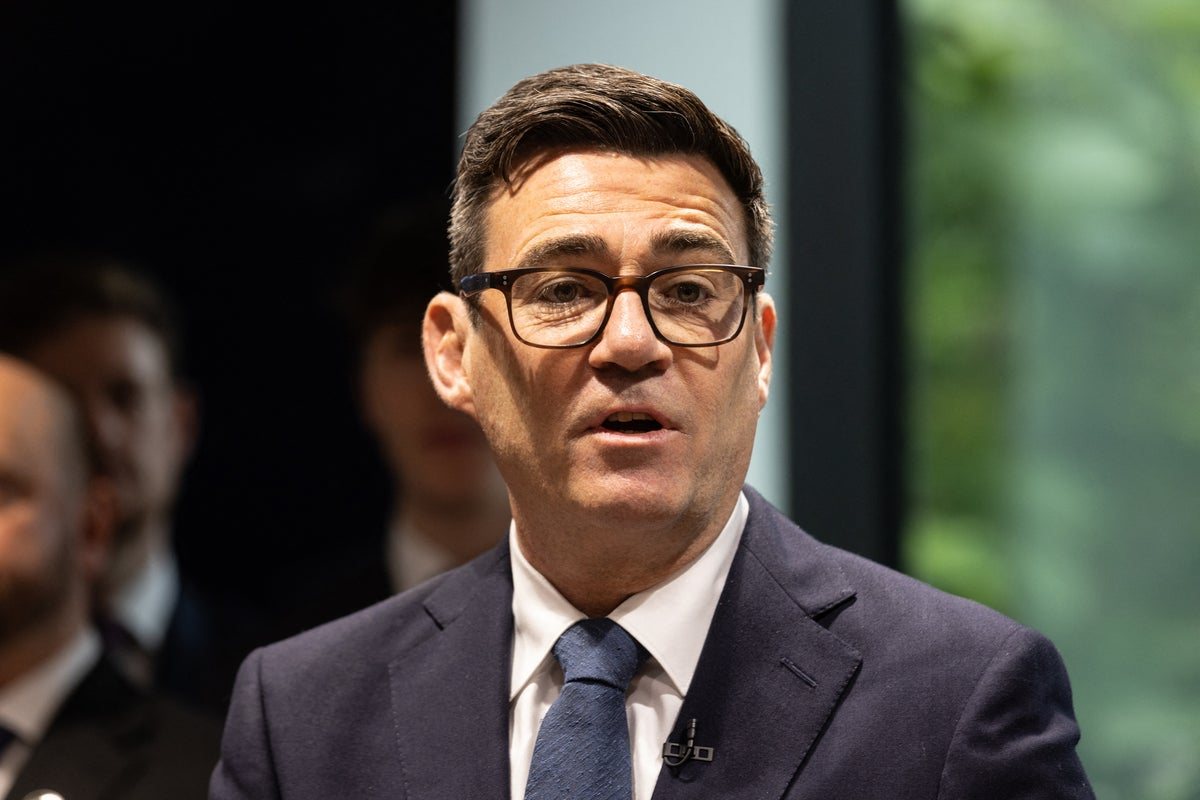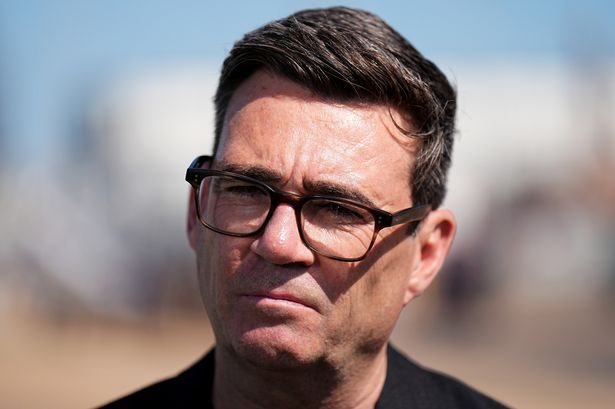
Andy Burnham has ruled out scrapping stamp duty but pledged to introduce a fairer taxation system, following reports that the Prime Minister rejected proposals to replace council tax and stamp duty with a property or land value levy. The Greater Manchester mayor made the commitment amid growing debate over the fairness of the current property tax framework, which many critics argue is outdated and regressive.
The Prime Minister, understood to be Sir Keir Starmer, stated that such a drastic overhaul «won't be happening», while acknowledging that reforms to council tax initiated by former Chancellor Rachel Reeves were merely a «start». Burnham, a prominent Labour figure and former cabinet minister, has indicated that «big decisions» lie ahead on the issue of property taxation, warning that the current system is deeply unfair.
Burnham highlighted the unfairness of the existing council tax structure, noting that residents in Greater Manchester are paying more than those in London. He emphasised the need for a more equitable approach that addresses regional disparities, pointing out that property values in the capital are far higher yet tax bills in northern regions can be proportionally larger. The mayor's comments align with longstanding criticisms that council tax bands, based on 1991 property valuations, are no longer fit for purpose and disproportionately affect lower-income households.
The debate over property taxation has intensified as the government considers how to generate revenue while ensuring fairness across the country. Speculation about a potential land value tax has raised concerns, particularly in London where property prices are highest, but the Prime Minister's dismissal of such a radical change suggests that the government will pursue more incremental reforms rather than a wholesale overhaul.
Burnham's pledge to pursue fairer taxation without scrapping stamp duty indicates a pragmatic approach. Stamp duty, a tax on property purchases, raises billions for the Treasury each year. Abolishing it could stimulate the housing market but would require alternative revenue sources to fill the fiscal gap. By ruling out abolition, Burnham signals that he favours retaining stamp duty while addressing council tax unfairness through other measures.
Council tax has long been a contentious political issue. Critics argue that the system is regressive, placing a heavier burden on lower-value properties relative to their worth, and that it fails to capture increases in property wealth. The government has faced sustained pressure to reform the system, especially from northern regions where taxes are high relative to local incomes. Burnham's remarks reflect these concerns and add his voice to calls for change.
As the government deliberates on fiscal policy, Burnham's position adds a significant voice to the debate from one of the most influential Labour politicians outside Westminster. He has committed to working towards a system that is fairer for all, without committing to wholesale abolition of existing taxes. The coming months may see further proposals as the government seeks to balance revenue needs with public expectations for a more equitable property tax regime.
The Prime Minister's comments suggest that while radical reform is off the table for now, the door remains open to adjustments. Former Chancellor Rachel Reeves's earlier reforms are seen as a first step, but Burnham and others argue that much more needs to be done. The challenge for the government will be to craft a policy that addresses regional inequality without undermining the tax base. Burnham's pledge to pursue fairness while retaining stamp duty offers a middle path, but whether it will satisfy those demanding more fundamental change remains to be seen.