
Andy Burnham Hints at Possible Rise in Income Tax Allowance in Upcoming Budget
Prime Minister Andy Burnham has indicated that the £12,570 personal income tax allowance could be increased in the forthcoming Budget, despite earlier confusion over the government's position on the policy.
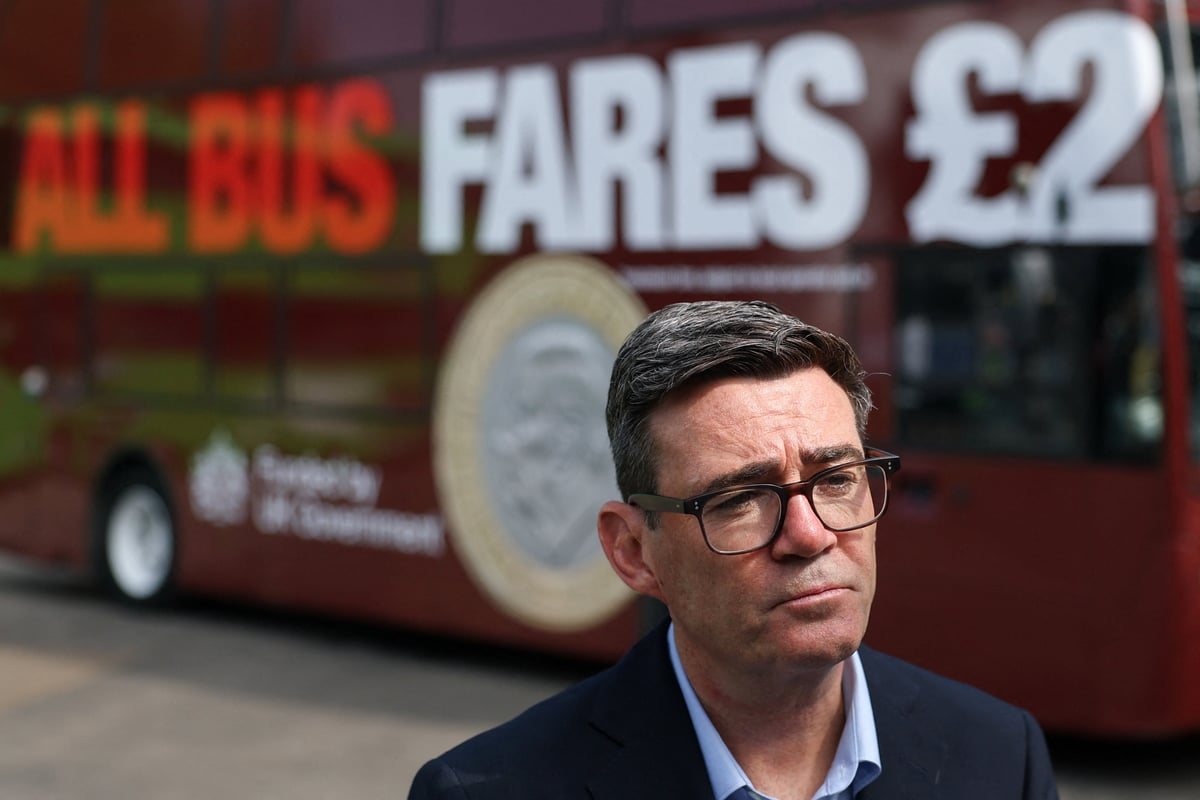
Prime Minister Andy Burnham has signalled that the threshold at which people start paying income tax could rise in the upcoming Budget, offering potential relief to millions of households grappling with the cost of living. Speaking in the wake of recent confusion over the government's stance, Burnham stated that while there was no firm commitment to increase the £12,570 personal allowance, the move would be considered later this year as part of broader fiscal planning.
The personal allowance, which determines the amount of income a person can earn before being liable for income tax, has been frozen at £12,570 since 2021. This freeze, originally implemented under the previous government, has effectively dragged more workers into higher tax brackets as wages have risen with inflation—a phenomenon known as fiscal drag. Burnham's remarks suggest that the new administration is weighing the economic and political implications of unfreezing or raising the threshold.
During a recent interview, the Prime Minister emphasised that any changes to tax policy must be fully funded and sustainable. He stressed that there would be 'no unfunded policy promise,' indicating that the government is prioritising fiscal responsibility even as it explores ways to ease financial pressures on households. This cautious approach reflects the challenging economic backdrop, with the UK still grappling with high inflation, sluggish growth, and stretched public finances.
The confusion over the personal allowance arose after Burnham appeared to leave the door open to a rise, while other government officials offered more guarded responses. Treasury sources later clarified that the matter would be examined as part of the normal Budget process, with a final decision expected in the autumn. The Prime Minister's latest comments appear to align with that position, suggesting that a rise is under active consideration but not yet guaranteed.
Economists have noted that increasing the personal allowance would provide targeted relief to lower and middle-income earners, who have been hardest hit by the rising cost of essentials such as food, energy, and housing. However, such a move would also reduce government revenue at a time when the Treasury is already under pressure to fund public services and invest in infrastructure. The Office for Budget Responsibility is expected to provide updated forecasts ahead of the Budget, which will inform the government's final decision.
Burnham has also outlined a series of other policy pledges since taking office, including measures to address the cost of living crisis, reform public services, and boost economic growth. Among these is a commitment to maintain the £2 bus fare cap, which has proven popular with commuters and rural communities. The Prime Minister has framed these initiatives as part of a broader effort to 'reprioritise how money is being spent' and deliver tangible improvements to people's everyday lives.
The potential rise in the personal allowance has been welcomed by campaign groups and opposition parties, who argue that the current threshold is too low and penalises low-income workers. The Resolution Foundation, a think tank focused on living standards, has estimated that raising the allowance to £13,000 would lift hundreds of thousands of people out of income tax altogether, while also reducing the tax burden for millions more. However, some fiscal conservatives have warned against further tax cuts without corresponding spending reductions, citing the risk of widening the deficit.
As the government prepares for the Budget, the debate over the personal allowance is likely to intensify. Business groups, trade unions, and consumer advocates are all expected to make their cases to the Treasury, while backbench MPs will also press for changes that benefit their constituents. For now, Burnham's comments have at least clarified that the option is on the table, even if the final outcome remains uncertain.
The Prime Minister's handling of the issue will be closely watched as a test of his government's economic strategy and its commitment to supporting households through difficult times. With the next general election still several years away, the Budget represents an early opportunity for Burnham to put his stamp on fiscal policy and deliver on his promise of a fairer tax system.
91