
Wildberries Attacks Threaten Russian Economy as Kremlin and VTB Consider Bailout
Ukrainian attacks on the Russian online retailer Wildberries are so severe that the Kremlin and state bank VTB may be forced to intervene with financial support, according to a war briefing. The development highlights the growing economic impact of the conflict on Russia's private sector.
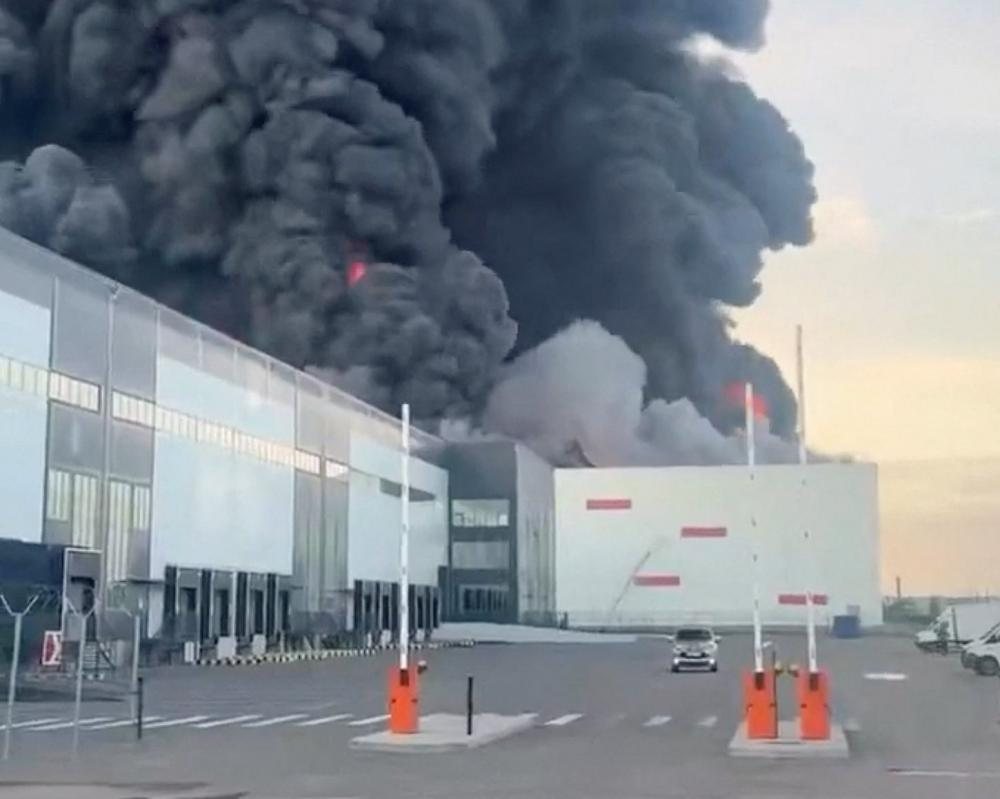
The Kremlin and Russia's state-owned bank VTB may be compelled to prop up the online retailer Wildberries after a series of crippling attacks attributed to Ukraine have shaken the company and sent ripples through the Russian economy and banking system, according to a war briefing on day 1,617 of the conflict.
Wildberries, one of Russia's largest e-commerce platforms, has been hit by what appear to be coordinated cyberattacks that severely disrupted its operations. The attacks are part of a broader campaign targeting Russian infrastructure and corporate entities as the war in Ukraine continues. The briefing described the attacks as "crippling", suggesting significant damage to the company's systems and ability to trade, though specific details were not disclosed.
The potential need for a state-backed rescue underscores the vulnerability of Russia's private sector to wartime cyber operations. Wildberries, founded by Tatyana Bakalchuk, has grown into a dominant force in Russian online retail, serving millions of customers and hosting thousands of sellers. A prolonged disruption could have severe knock-on effects on consumer spending, supply chains, and the broader digital economy. The company is considered systemically important: its collapse would remove a major competitor from the market and potentially trigger a wave of bankruptcies among smaller merchants who depend on the platform.
VTB, Russia's second-largest bank and a key instrument of the Kremlin's financial policy, is already under heavy Western sanctions. A bailout for Wildberries would place additional strain on VTB's balance sheet, which has been weakened by sanctions and a contracting economy. It also raises questions about the extent of state intervention in the private sector and the government's willingness to protect civilian businesses from the consequences of the war.
Separately, the briefing noted that prosecutors in Kyiv may be preparing to target Belarusian President Alexander Lukashenko, a key ally of Vladimir Putin. This development suggests that Ukraine is expanding its legal and political efforts against those it considers complicit in the invasion, though no further details were provided. The move could further isolate Lukashenko and increase pressure on Belarus, which has served as a staging ground for Russian forces.
The attacks on Wildberries come at a time when the Russian economy is already struggling with high inflation, labour shortages, and reduced access to global markets. While the Kremlin has sought to project an image of stability, incidents like this reveal the fragility beneath the surface. Analysts have warned that the longer the war continues, the more likely it is that major Russian companies will require state support. The Wildberries case may serve as a test case for how the Kremlin handles corporate crises during wartime.
Wildberries has not publicly commented on the extent of the damage, and it remains unclear whether the company can recover without external assistance. The situation is being closely watched by other Russian retailers, who may face similar vulnerabilities. The episode also underscores the growing role of cyberattacks as a tool of economic warfare, with Ukraine increasingly targeting Russian businesses to undermine confidence and destabilise the economy.
76