UEFA accuses FIFA of attempting to sell the soul of football over World Cup investment plan
UEFA has strongly condemned FIFA’s proposal to sell minority stakes in a new company that would hold the commercial rights to the World Cup and other tournaments, warning the move could undermine the sport’s integrity and lead to legal action.
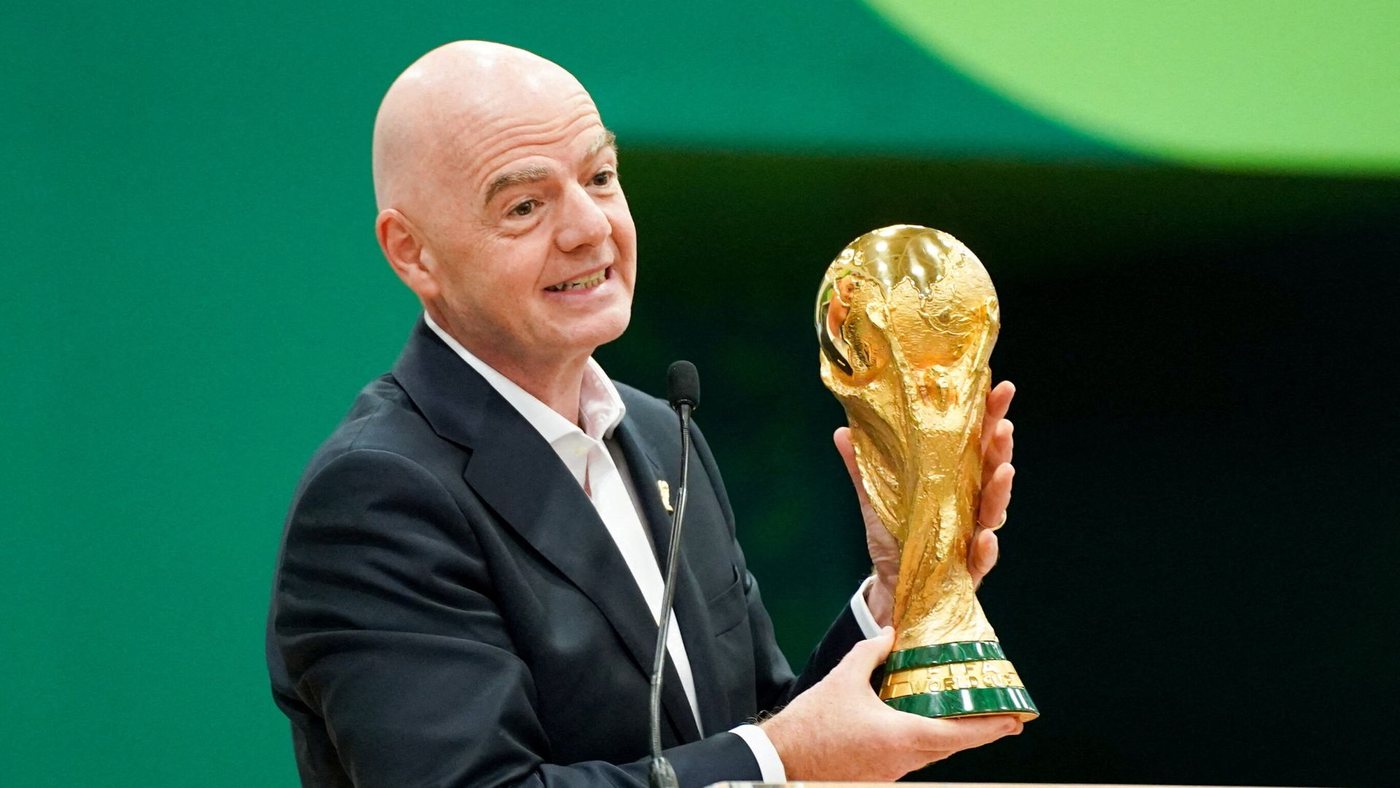
European football’s governing body UEFA has launched a fierce attack on FIFA over plans to sell stakes in a new venture that would control the commercial rights to the World Cup and other tournaments, accusing world football’s leadership of trying to “sell the soul of football”. The proposal, which would see private investors buy into a company set up by FIFA, has sparked outrage across the sport and raised the prospect of a legal battle between the two organisations.
FIFA president Gianni Infantino is understood to be pushing ahead with the plan, which could generate billions of dollars for the governing body but has been described by critics as a “nuclear bomb” for the game. According to sources close to the discussions, the proposed structure would allow FIFA to raise significant funds by offering minority stakes in a new entity that would own and commercialise the rights to its flagship competitions, including the men’s and women’s World Cups.
UEFA released a strongly worded statement condemning the move, saying it would prioritise financial gain over the wellbeing of football. “This proposal represents a dangerous attempt to sell the soul of football to private investors,” the statement read. “It would hand control of the world’s most popular sport to commercial interests with no regard for the values that have made football the global game it is today.” UEFA is believed to be examining its legal options and could challenge the plan on the grounds that it violates the principles of fair competition and governance in international sport.
The timing of the announcement has added to the tension. Infantino is running for re-election as FIFA president, and the plan is seen by some as a way to cement his legacy and secure financial backing from powerful investors. However, the European body has questioned whether such a fundamental change to FIFA’s commercial structure should be decided without broader consultation among member associations and confederations. “This is not about one man’s vision,” a UEFA spokesperson said. “It is about the future of football itself.”
Leading European clubs have also voiced private discontent, with several sources describing the proposal as “highly questionable”. The European Club Association (ECA), which represents top clubs across the continent, is understood to be monitoring the situation closely. The move has also drawn criticism from fan groups and former players, who argue that selling off the commercial rights to the World Cup could lead to higher ticket prices, reduced access to matches, and a shift in focus away from the sport’s grassroots development.
The financial details of the plan remain unclear, but reports suggest the venture could be valued at more than $20 billion. FIFA has defended the idea, arguing that it would unlock new revenue streams that could be reinvested into football development worldwide. In a statement, FIFA said it was “exploring options to maximise the value of its commercial rights in a way that benefits all 211 member associations”. However, UEFA has dismissed this argument, pointing out that FIFA already generates substantial income from sponsorship and broadcasting deals.
The conflict highlights a growing rift between FIFA and UEFA over governance and financial transparency. UEFA has previously clashed with Infantino over proposals for a biennial World Cup and the expansion of the Club World Cup, both of which were pushed by the FIFA president despite widespread opposition. The latest dispute threatens to deepen that divide and could have significant implications for the future of international football.
Legal experts have suggested that any formal challenge would need to be based on FIFA’s own statutes, which require decisions of major financial importance to be approved by the FIFA Congress. UEFA may also argue that the plan breaches European competition law if it is seen to restrict the ability of confederations and leagues to market their own tournaments. A senior source within UEFA said the organisation was prepared to take “all necessary steps” to block the proposal.
As the row escalates, the wider football community is watching closely. With the next men’s World Cup scheduled for 2026 in the United States, Canada and Mexico, and the women’s tournament in 2027, any changes to the commercial structure could reshape the way the game is funded and managed for decades to come. For now, the battle lines are drawn, and the future of football’s most prized asset hangs in the balance.
78