
London Underground staff walk out in industrial action disrupting Tube services
Members of the Transport Salaried Staffs' Association and the RMT union have taken industrial action on the London Underground, with the Piccadilly Line expected to be hardest hit as Transport for London braces for widespread disruption.
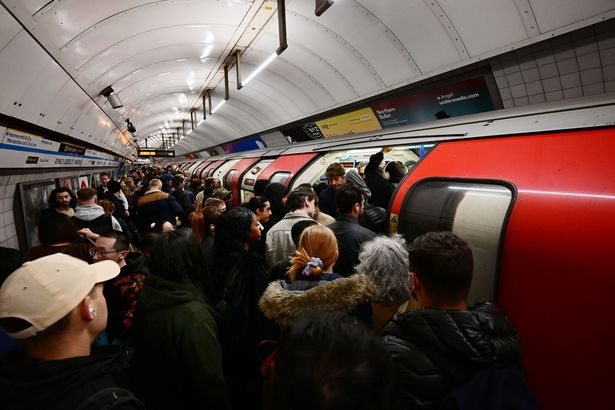
Commuters across London faced widespread disruption as industrial action on the London Underground took effect, with the Piccadilly Line expected to be the worst affected. The walkout involves members of the Transport Salaried Staffs' Association, known as TSSA, and has left Transport for London, the body that runs the capital's transport network, preparing for significant delays and closures across several lines.
The action follows a dispute between the unions and London Underground management over working arrangements. Separate reporting on the wider dispute has described strikes by members of the RMT union, which walked out at midday after talks failed to resolve a disagreement over a proposed four-day week. Reports also pointed to a dispute over where Tube drivers should begin their shifts, with transport chiefs proposing that drivers start work at their trains rather than at the depots, a change that the unions have strongly contested. Coverage of the dispute has described the proposal as one that would effectively require drivers to be paid to walk to their trains, a point that has become central to the debate over working time.
Industrial action of this kind typically forces the operator to run a reduced timetable, and several lines were expected to be shut or heavily curtailed during the strikes. The disruption was expected to hit sporting fixtures and busy shopping periods in the run-up to Christmas, when large numbers of people travel into the centre of the capital. Passengers who rely on the Underground for daily journeys to work, school and appointments face the prospect of longer travel times and crowded alternatives on the days affected.
Business representatives have warned that repeated stoppages carry a real cost to the city's economy. One business leader described the strikes as hugely damaging, pointing to the knock-on effect on firms whose staff cannot reach work, and on customers and suppliers who depend on reliable movement across London. Such disruption can also affect retailers and hospitality venues that rely on footfall in busy periods, particularly during the seasonal trading months when London's shops and restaurants depend heavily on visitors arriving by public transport.
Transport for London has urged passengers to check journey information before setting out and to allow extra time for travel. Alternatives such as buses, the Overground, the Elizabeth line and National Rail services were likely to be busier than usual, and the operator has advised travellers to plan routes in advance rather than rely on the Underground during the walkouts. Those responsible for the network have not yet indicated when a settlement might be reached, leaving the outlook for commuters uncertain while talks between the parties remain unresolved and the strike dates continue to be announced in stages.
Source: mirror.co.uk
10