
LIV Golf to lay off majority of staff as talks continue over new investors
LIV Golf has informed most of its workforce that they will be laid off in early September, four months after Saudi Arabia's Public Investment Fund ended its financial backing. The league says talks are ongoing to secure fresh investment and make 'LIV 2.0 a reality'.
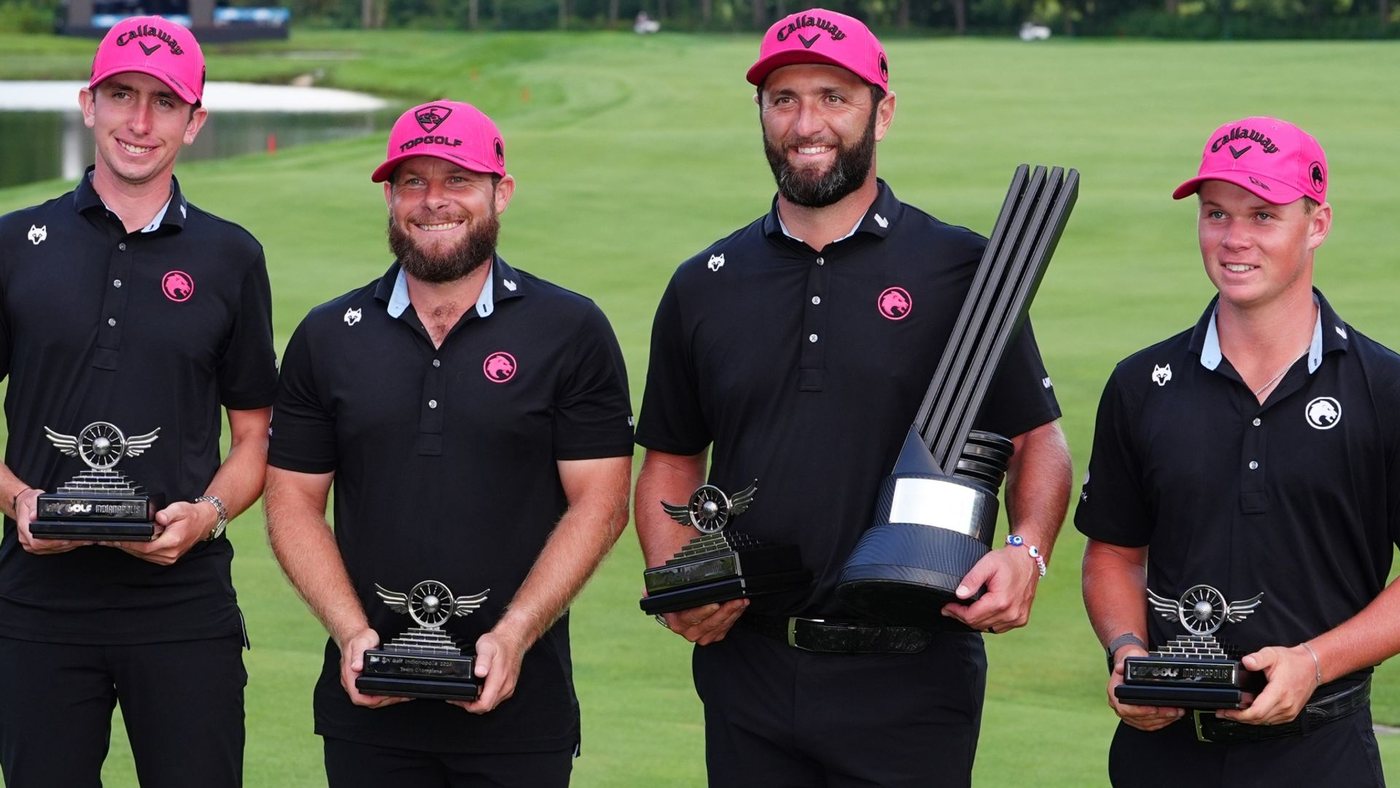
LIV Golf has told the majority of its staff that they will be laid off in the first week of September, three days after the 2026 season concluded in Indianapolis. The move follows the announcement four months ago that Saudi Arabia's Public Investment Fund (PIF) was ending its financial support of the league after spending more than $5bn over the past five years.
The league confirmed the job cuts on Wednesday, with the chief executive reportedly working on a deal to secure new investors. The plan, described internally as making «LIV 2.0 a reality», depends on securing buy-in from the players, who remain central to the league's commercial appeal.
The layoffs mark a significant contraction for the circuit, which launched in 2022 and has since attracted some of the sport's biggest names, including Jon Rahm and Tyrrell Hatton. The PIF's decision to withdraw support has left the league searching for a sustainable financial model, and the compressed timeline for bringing in new investors has forced the workforce reduction.
Staff were informed of the decision on Wednesday, with the cuts taking effect almost immediately after the conclusion of the season. The league has not disclosed how many employees will be affected, but the term «majority» suggests a substantial reduction in its operational footprint.
The future of the league now hinges on the ongoing discussions with potential investors and the willingness of players to back the restructuring. The chief executive's efforts to finalise a deal are described as active, but the need for player approval adds a layer of complexity to the negotiations.
LIV Golf's emergence reshaped the professional golf landscape, drawing top talent with lucrative contracts and challenging the established tours. The PIF's initial investment of more than $5bn funded the league's rapid expansion, but the withdrawal of that support has exposed the fragility of its business model.
As the league enters this uncertain phase, the coming weeks will be critical. The outcome of the investor talks will determine whether LIV Golf can continue in its current form, or whether the league must undergo a more fundamental transformation to survive.
65