
Hogwarts Legacy 2 Shows Warner Bros. Rebuilding Around Global IP
The sequel sits at the intersection of WBD’s smaller games slate and a wider Harry Potter ecosystem spanning television, merchandise and experiences.
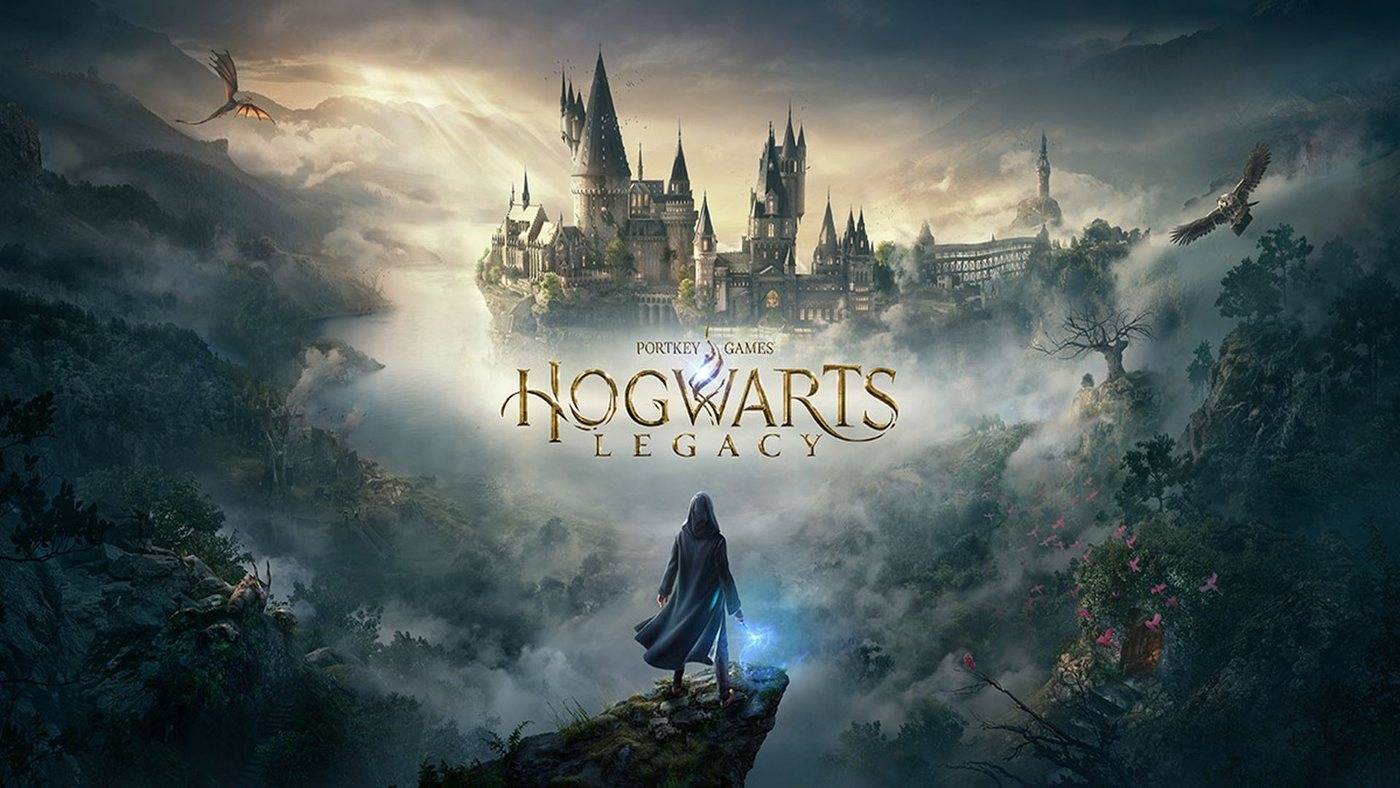
Warner Bros. Discovery’s confirmation of a second Hogwarts Legacy is a small sentence with a large strategic footprint. In its second-quarter 2026 shareholder letter, WBD says the games pipeline is expanding and explicitly includes another installment of the 40-million-selling Wizarding World RPG.
The sequel sits at the intersection of two corporate routes. The first is concentration: Warner Bros. is investing in fewer games with higher conviction. The second is cross-media franchise management, where a property such as Harry Potter moves through television, games, consumer products and physical experiences rather than being managed as a set of unrelated releases.
The first Hogwarts Legacy made that model especially attractive. Warner Bros. Games announced in December 2025 that it had sold more than 40 million units worldwide, the biggest game release in the company’s history. The result created a new high-value branch of Harry Potter that does not depend on the film cast or the timeline of the main novels.
Developed by Avalanche Software and published under Portkey Games, the original takes place in the 1800s. Players enter Hogwarts as a fifth-year student and move through a new story built around the school and the wider Wizarding World. That historical distance gives Warner Bros. room to develop game narratives without colliding directly with the television retelling of Harry Potter.
The product’s route to market was similarly broad. It began on PlayStation 5, Xbox Series X|S and PC in February 2023, then moved to older console hardware and Nintendo Switch, with a Switch 2 version arriving later. The franchise therefore accumulated audiences over several hardware cycles.
WBD’s current letter does not reveal the sequel’s route to launch. There is no date, platform list, final title, budget or gameplay description. The document establishes the project as part of the business plan while leaving the consumer proposition almost completely undisclosed.
Cross-media coordination has been visible since 2024. David Haddad, then president of Warner Bros. Interactive Entertainment, told Variety that the sequel team was aligning some big-picture storytelling with the Harry Potter series for HBO. That is not evidence of a direct crossover; it is evidence that Warner Bros. is trying to manage continuity across products with different audiences and time periods.
The games organization was also narrowed in 2025. Warner Bros. closed three studios and canceled Wonder Woman, saying future investment would focus on Harry Potter, Mortal Kombat, DC and Game of Thrones. The Q2 2026 shareholder letter shows that decision becoming an actual pipeline rather than simply a cost-cutting rationale.
The strategic advantage is a network effect across the brand. A television premiere can renew global awareness before a game campaign; a successful game can extend engagement between seasons; merchandise and attractions can monetize the same renewed attention. Each route strengthens the value of the others when the products are good enough.
The risk is that a franchise network can also transmit disappointment. A weak sequel does not fail in isolation when the same property carries expectations across several divisions. Hogwarts Legacy has already proved the scale of the opportunity. Its second installment will test whether Warner Bros. can turn that opportunity into a repeatable route through games without exhausting the very world that makes it valuable.
55