
Banks could pass a £1.5bn tax rise on to customers, Bank of England warns
The Bank of England's chief has warned that lenders may recover a £1.5bn tax increase by charging borrowers more and paying savers less, at a time when households already face higher mortgage and energy costs.
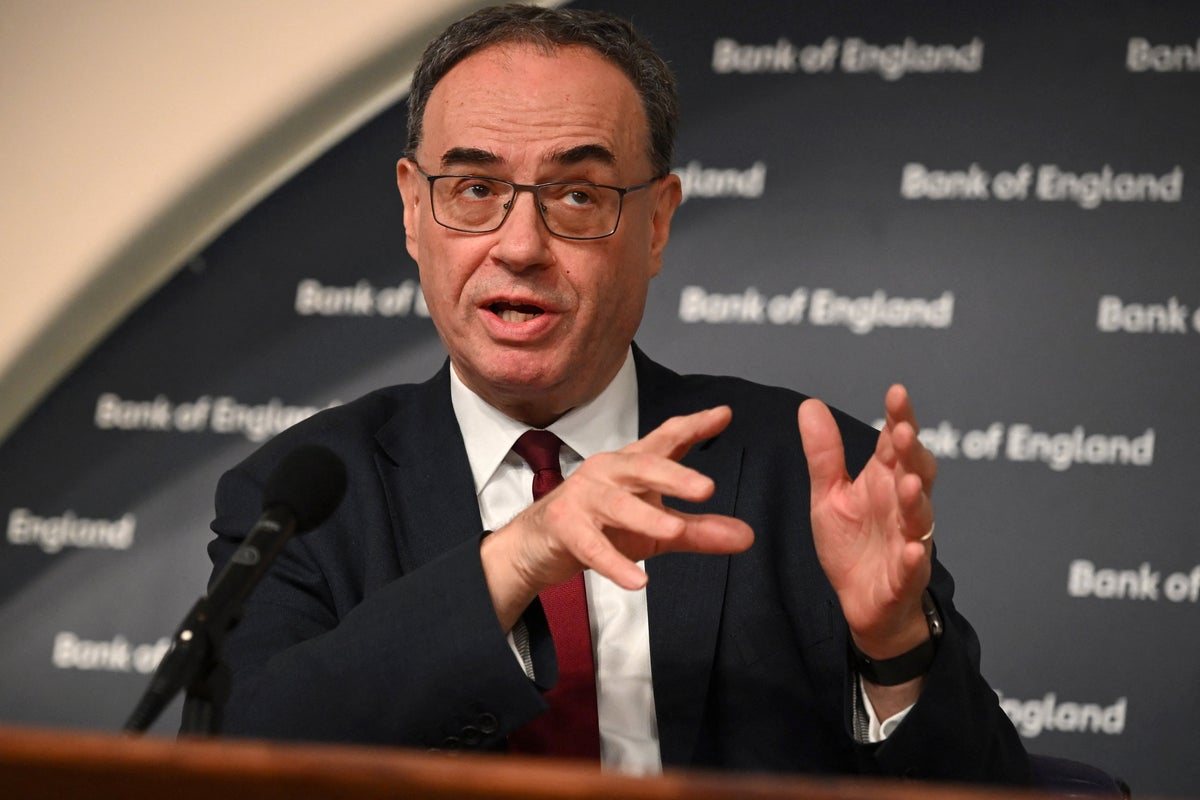
Lenders could pass a £1.5bn tax increase on to their customers through pricier loans or lower savings rates, the Bank of England's governor has warned. The concern centres on how banks may try to protect their earnings after the new tax burden falls on the sector, at a moment when millions of households are already bracing for surging mortgage repayments and higher winter energy bills.
The warning matters because the cost of borrowing and the return on savings shape household budgets directly. If banks raise the price of credit or trim the interest paid to depositors, the effects would be felt by homeowners renewing their mortgages, people taking out loans and savers who rely on interest income. The governor's comments point to a risk that the burden of a tax decision made at Westminster could move quickly from the balance sheets of banks into the everyday finances of ordinary customers.
The source material frames the issue as one of lenders seeking to ‘protect their earnings’. Banks, like other businesses, have a range of tools to offset higher costs, and pricing is the most direct. Mortgage rates, personal loan rates and the interest offered on savings accounts are all levers that can be adjusted, and each would affect different groups of customers. Those with variable-rate debt or fixed deals coming up for renewal could be among the first to notice any change, while savers may find that the rates they receive fall even as borrowing costs rise.
The timing adds to the pressure on household finances. Families are already dealing with the impact of higher mortgage repayments as fixed deals end and borrowers move onto higher rates. The approach of winter also brings the prospect of larger energy bills, leaving many people with less room in their monthly budgets. Any further increase in the cost of credit would compound these pressures, particularly for those with the least flexibility to absorb it.
The governor's intervention reflects a wider concern in financial policy about how changes to taxation are transmitted through the economy. A levy on banks may be designed to fall on profits, but businesses facing a higher cost base often look to restore their margins, and the path they take determines who ultimately pays. The Bank of England's position is that the impact on households should be watched closely, given the central role that interest rates and lending conditions play in the wider economy and in the Bank's own efforts to keep inflation under control.
What happens next will depend on how lenders respond to the new tax and how quickly any changes reach customers. For now, the warning signals that the effects of the policy may not stay confined to the banking sector, and that borrowers and savers alike should expect the decision to be felt in the rates they see on their statements and advertised on the high street.
Source: independent.co.uk
2